5 Apr 2025
Kitesurfing Kite Materials Explained – From Dacron to Aluula
Introduction
Every kitesurfer knows the feel of their favourite kite — that crisp pull, smooth drift, or lightning-fast steering that makes it special. What’s less obvious is how much of that feel comes down to the materials it’s made from.
Modern kite design has evolved far beyond simple polyester. Today’s kites combine advanced laminates, ultra-light composites, and engineered fabrics designed to handle extreme loads without adding unnecessary weight or losing responsiveness. Understanding the materials that make up your kite helps you see why it flies, turns and drifts the way it does.
Canopy Materials – The Kite’s Skin
The canopy is the largest surface area of a kite and arguably its most important. It needs to hold its aerodynamic shape under constant tension, while staying as light, low-stretch, and durable as possible — a difficult balance to achieve.
Most kites today still use premium double- or quad-ripstop polyester fabrics such as Teijin Technoforce D2 or Teijin Quad-Tex. The ripstop weave prevents small tears from spreading, while UV-resistant coatings help protect the fabric from sunlight, salt and abrasion. This construction provides a proven balance between weight, strength and long-term durability.
Brands also tweak their canopy recipes to achieve their preferred feel. For example:
-
North uses a proprietary high-tenacity polyester yarn canopy, occasionally referred to as N2 Max Pro, designed for lightness, tear strength, and longevity.
-
CORE relies on its CoreTex 2 triple-ripstop fabric, valued for low stretch and excellent stability under load.
-
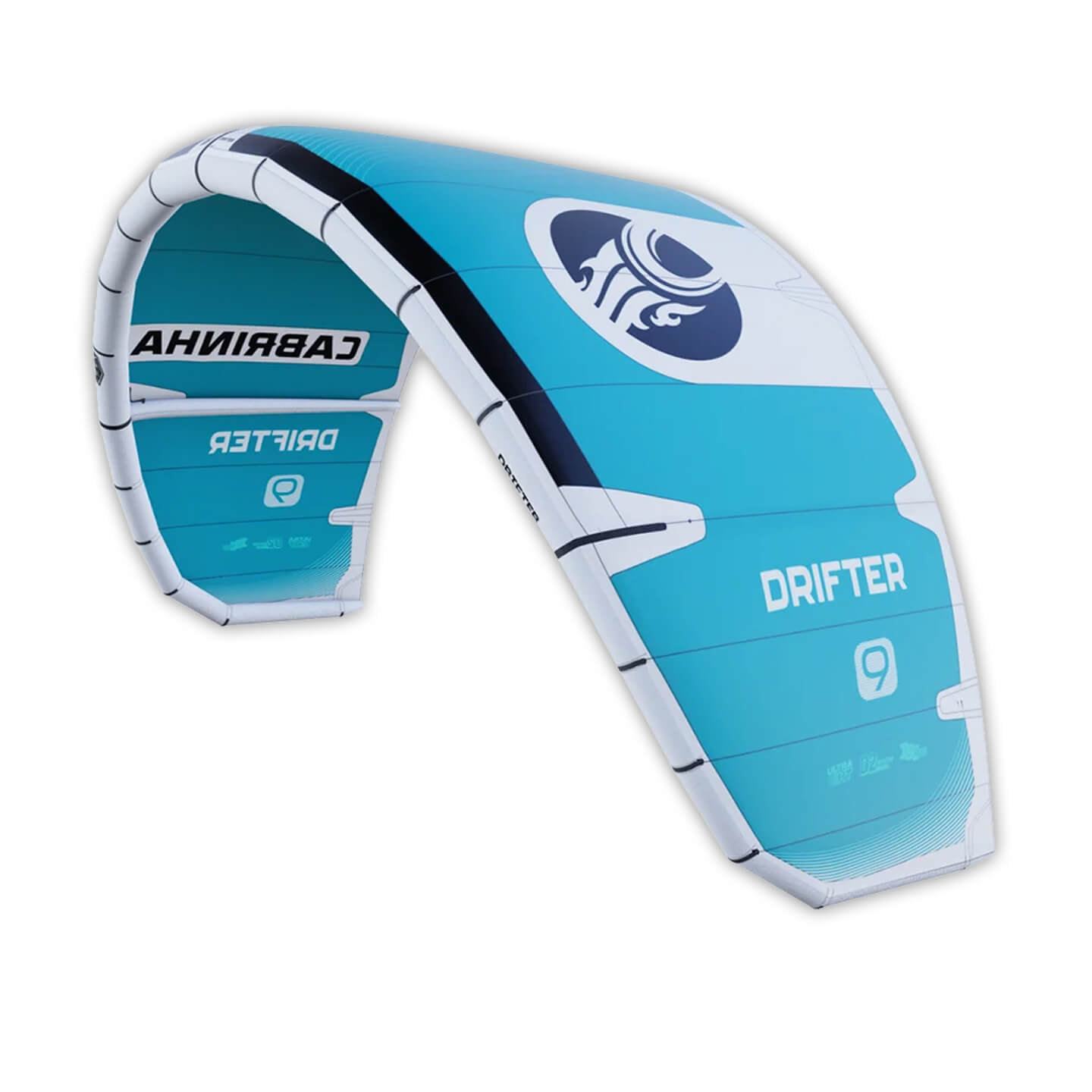
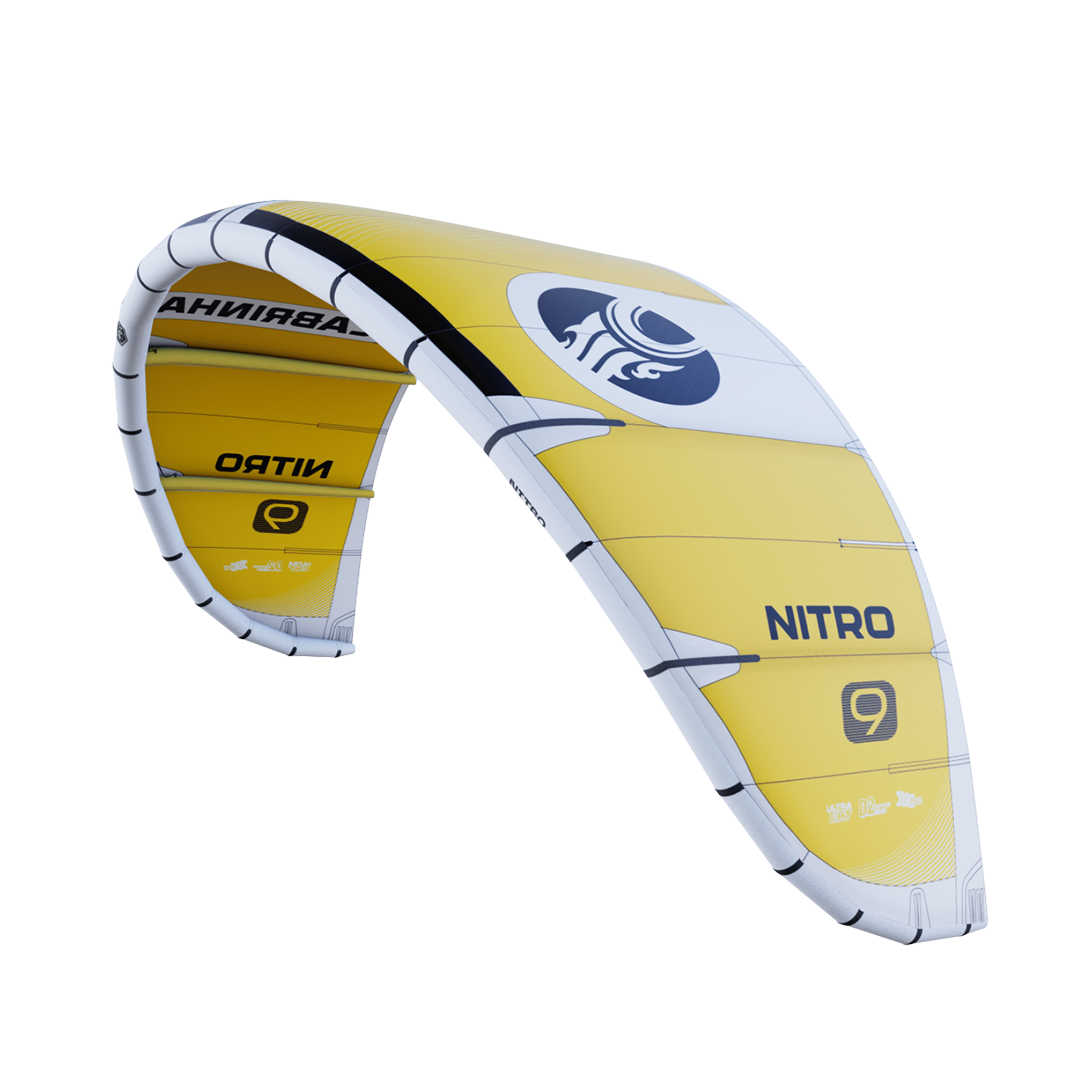
Cabrinha employs Nano Ripstop (55gsm for the main canopy, 75gsm on the wingtips and trailing edge) to save weight while reinforcing stress zones.

-
Naish continues to use Teijin Quad-Tex, a 4×4 yarn weave known for premium durability and shape retention.
-
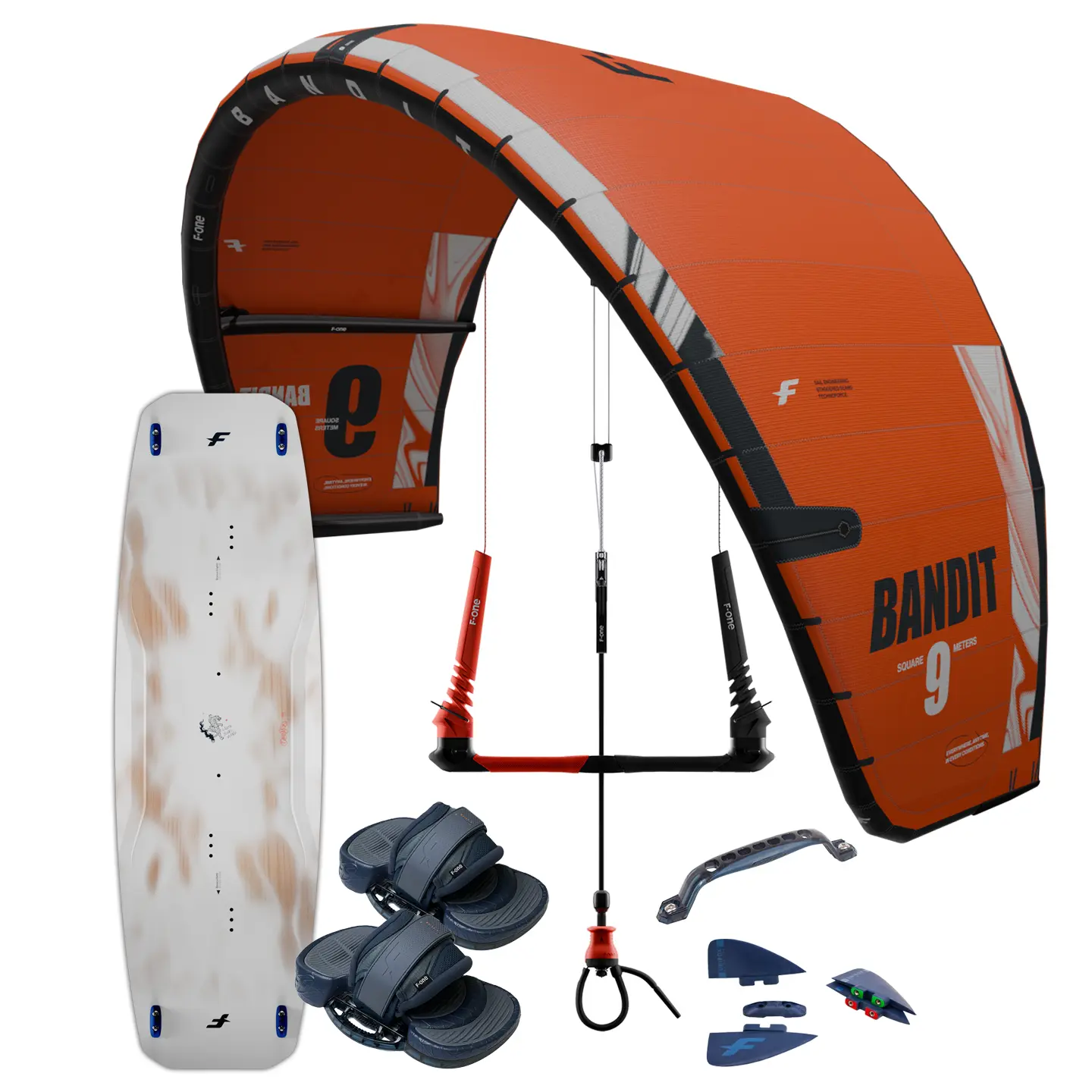
F-ONE takes a layered approach — combining Nano 55g micro-ripstop polyester with Plasma treatment for the main canopy and HT80 high-tenacity polyester along the trailing edge.
-
Airush generally highlights polyester’s low stretch and water resistance, pairing it with their load-frame technology for consistent tension.
-
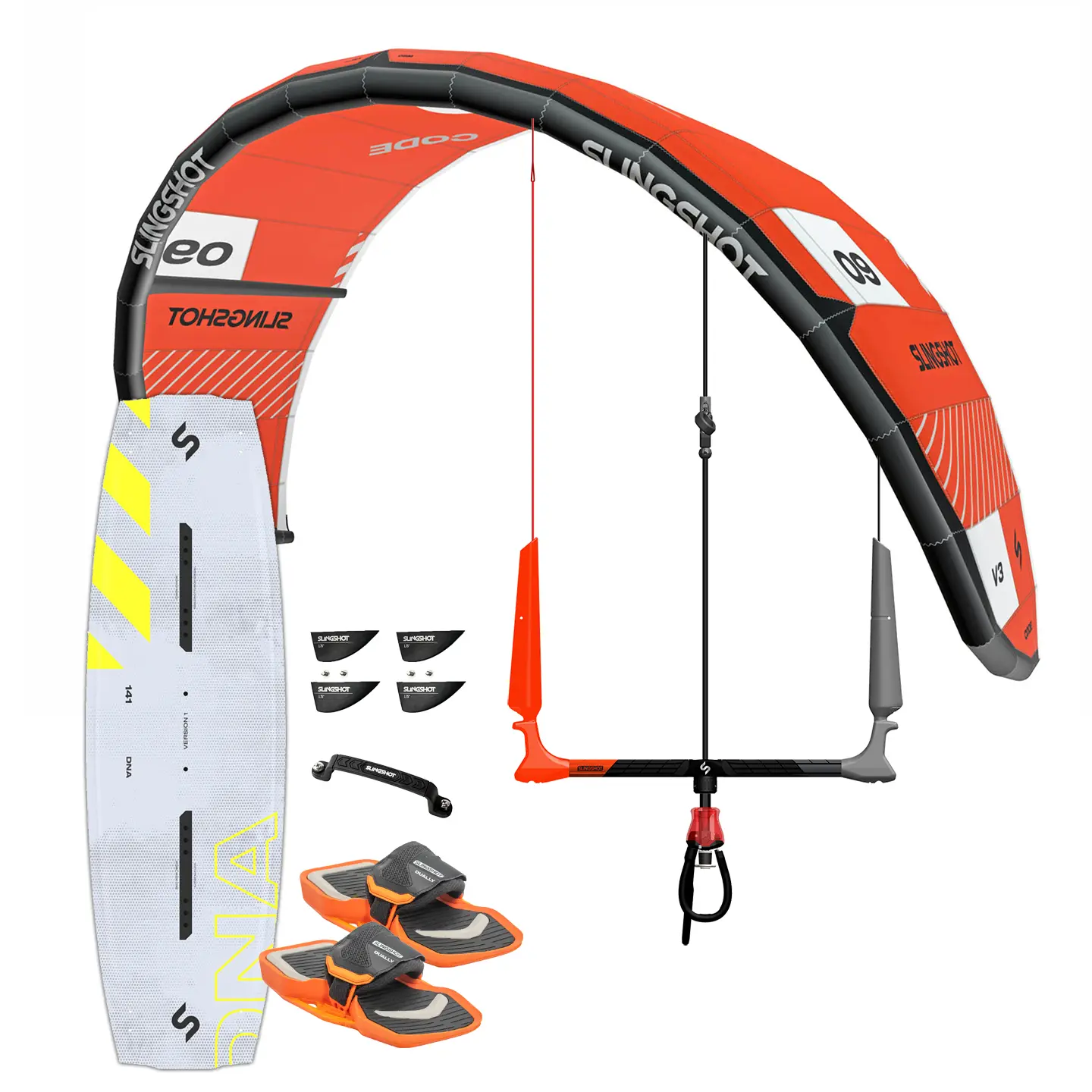
Slingshot uses modern ripstop polyester canopies engineered for durability and balanced flex.
These variations may seem small, but each influences how crisp, direct or forgiving a kite feels in the air. Brands often adjust panel layouts, seam placement, and material weights depending on factory capability and performance goals.
Airframe – The Kite’s Skeleton
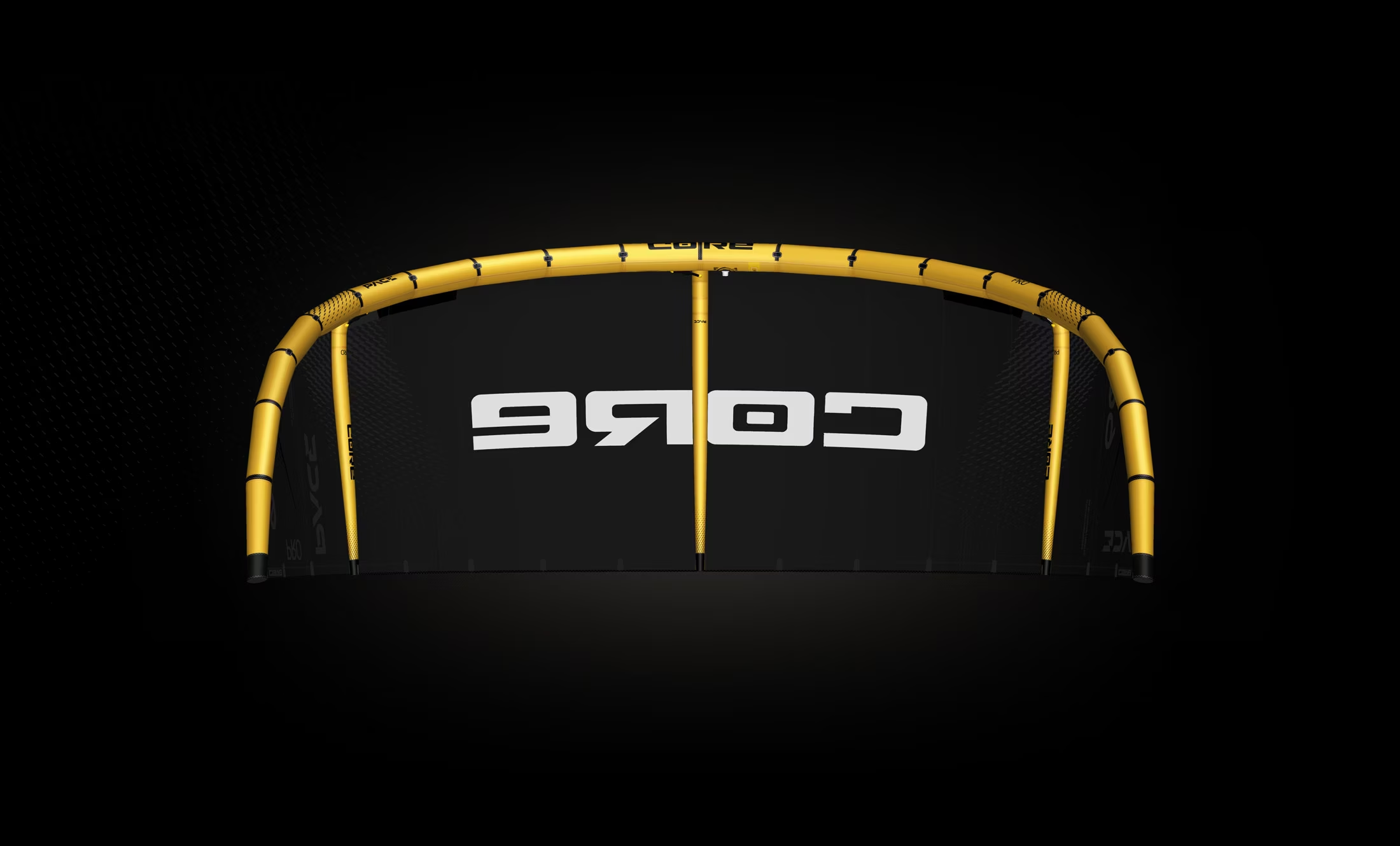
The leading edge and struts form the skeleton of the kite, traditionally reinforced with Dacron — a tightly woven polyester that’s significantly stronger but heavier than the canopy fabric. Dacron provides the structure and pressure resistance that lets the kite hold its shape under inflation and through aggressive steering. It also absorbs impact from crashes and helps the kite recover its profile quickly.
Because it’s the heaviest material on the kite, brands invest heavily in finding ways to reduce weight without sacrificing stiffness. A lighter frame means faster kite speeds, better drift, and improved efficiency in light winds. The thickness and stiffness of the leading edge play a major role in how the kite feels — influencing bar pressure, steering speed and stability.
Recent innovations have taken Dacron a step further:
-
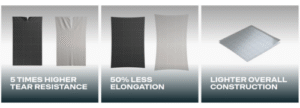
Penta TX is five times more tear-resistant and roughly 15% lighter than traditional Dacron, creating a stiffer frame with a sharper, more reactive feel.
-
HTD (High Tenacity Dacron) offers improved shape retention and reduced deformation at high inflation pressures, giving kites more consistent performance in gusty or strong winds.
Ultra-Light Composite Materials
The most dramatic development in kite design in recent years has been the introduction of laminated composite fabrics, replacing or reinforcing traditional Dacron.

The standout innovation is Aluula — a composite made by bonding ultra-high-molecular-weight polyethylene (UHMWPE) to a polyester base. It’s 40–50% lighter than Dacron and incredibly stiff, allowing kites to maintain their aerodynamic profile even under extreme loads. The result is quicker response, improved drift, and enhanced low-wind performance.
Kites built with Aluula feel exceptionally crisp and efficient. They accelerate fast, stay stable at the edge of the wind window, and handle turbulence with precision. The trade-off is cost — Aluula construction remains significantly more expensive than traditional materials — but the longevity and performance benefits are undeniable.
Where it gets confusing with Aluula is that the name isn’t actually the material. Aluula is a composite materials company and Aluula Gold is the golden product found in many of the top windsports brands kites and wings. They have several other materials such as Aluula Aeris and Aeris X which are used wings and kites but their other materials have been used in backpacks, helmets, performance sailing boats and as far away as space.
Frame Constructions Targeting Performance
No single material suits every discipline, so most brands mix fabrics strategically across the kite’s frame to balance weight, stiffness, and cost.
Light-wind kites remove unnecessary weight wherever possible. Lighter leading edges improve drift and efficiency, while protective patches and battens are kept to a minimum. Since this is still a niche market, most light-wind models rely on standard Dacron or lighter weaves rather than expensive composites like Aluula.
Big-air kites demand the strongest materials available. They use stiff, high-tensile fabrics such as Aluula, Penta TX or Ultra PE in high-load areas to maintain stability under huge forces. These kites must accelerate quickly, climb vertically, and handle chaotic gusts — then loop and recover with precision. The current “big-air material race” has brands experimenting with new blends to perfect that balance between stability, stiffness, and steering response.
Freeride kites vary the most. Entry-level and budget models often rely on classic Dacron for durability and a smoother, more forgiving feel. Higher-end freeride kites blend lighter materials and thinner leading edges for a faster, more performance-driven ride.
Wave kites prioritise drift and control at low line tension. Their leading edges need to be thin, light and strong to maintain agility and stability while depowered. High-tensile, low-stretch fabrics help them respond instantly to rider input, even when the lines go slack in surf conditions.
Freestyle kites — the high-aspect C-shapes designed for loops, passes and unhooked tricks — haven’t changed dramatically in form, but benefit from lighter, stronger fabrics that preserve their precise feel and allow for faster relaunches after crashes.
Stitching, Seams & Coatings
Even the strongest materials rely on how they’re joined. Reinforced triple stitching and zig-zag seam patterns distribute tension evenly across load points, while PU coatings and UV protectants help reduce long-term degradation. Some brands also apply anti-flutter coatings or thicker trailing-edge cloth to stabilise the canopy at high speeds.
These small details often separate a premium kite from an average one — the finishing quality determines how long a kite stays crisp, stable, and true to its design.
What This Means for Riders
| Material | Weight | Stiffness | Durability | Cost | Feel on Water |
|---|---|---|---|---|---|
| Dacron + Ripstop | Medium | Medium | High | £ | Classic, smooth |
| Penta TX / HTD | Light | High | High | ££ | Direct, crisp |
| Aluula | Ultra-light | Very High | Very High | £££ | Fast, reactive |
The right mix depends on what you ride and how you ride it. For Big Air, stiffness equals performance and control; for freeride and surf, lighter materials enhance drift and efficiency. Each fabric combination tells its own story on the water.
Conclusion
Kite material innovation is evolving faster than ever. What began with simple polyester has progressed into a world of composite laminates, engineered coatings, and hybrid frame constructions designed to maximise strength while cutting weight.
Whether you prefer the smooth, reliable pull of a Dacron kite or the ultra-responsive flight of an Aluula build, understanding the materials behind your kite helps you choose gear that truly matches your style — and your sessions.