11 Sep 2026
O’Neill Wetsuits: The Complete Guide to Choosing the Right Suit
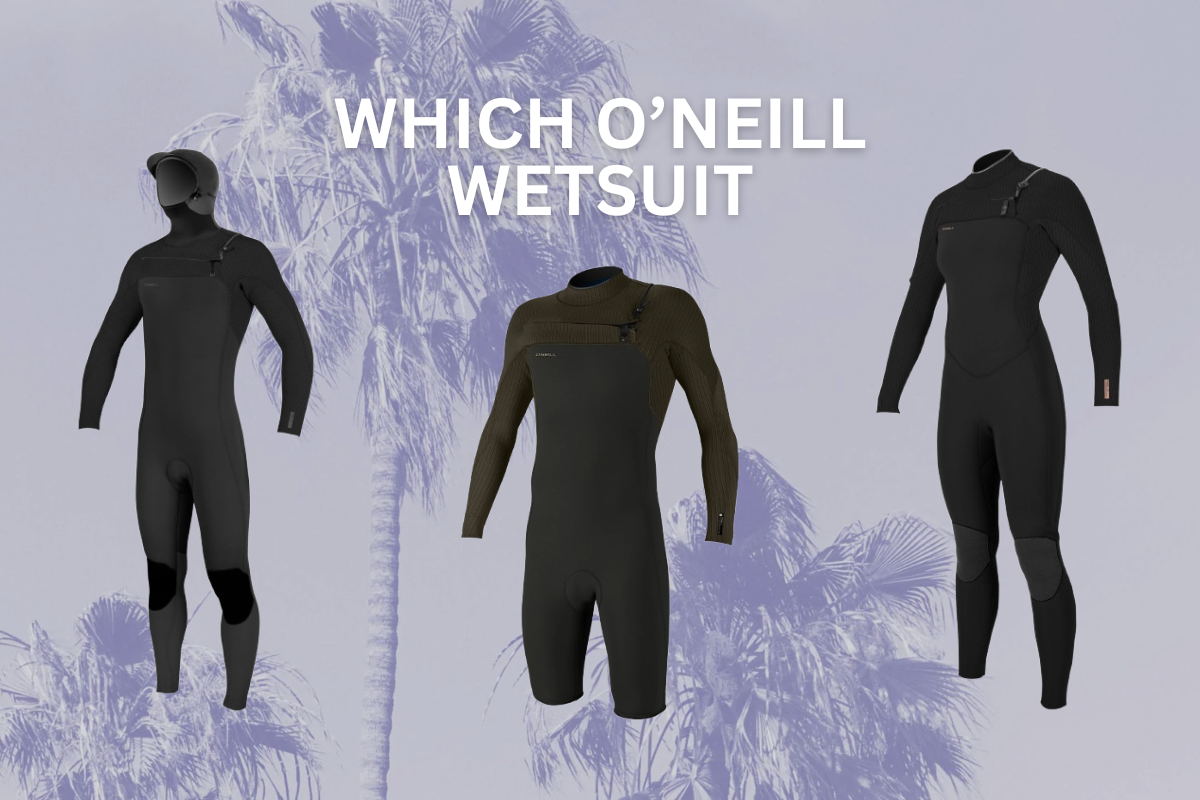
Choosing the right wetsuit isn’t simply a case of picking the thickest suit available. Water temperature, air temperature, wind, time of year, activity level and personal tolerance to cold all make a difference.
O’Neill has one of the most extensive wetsuit ranges available, with everything from lightweight 2mm summer suits through to highly insulated 5/4mm winter wetsuits. The range also includes different entry systems, lengths and technologies, allowing riders to choose a suit that suits both their conditions and budget.
Whether you’re looking for a first wetsuit, a flexible summer suit or something capable of handling the coldest UK sessions, understanding the differences between the O’Neill ranges makes choosing the right one much easier.
What thickness O’Neill wetsuit do you need?
The thickness of a wetsuit is one of the most important factors when choosing a suit.
As a general guide, warmer water allows a thinner wetsuit, while colder water requires more insulation. O’Neill’s temperature recommendations provide a useful starting point, but the ideal thickness will also depend on air temperature, wind, how active you are and how susceptible you are to the cold.
| Water Temperature | Typical Wetsuit Thickness | Typical UK Use |
|---|---|---|
| 20°C+ | 1–2mm / Shorty | Warm summer days and holidays |
| 18–20°C | 2mm | Summer |
| 14–17°C | 3/2mm | Late spring, summer and early autumn |
| 11–14°C | 4/3mm | Spring and autumn |
| 8–11°C | 4/3mm or 5/4mm | Winter and cold spring |
| 6–9°C | 5/4mm | Winter |
| Below 7°C | 5/4mm+ | Coldest winter conditions |
These temperatures should be treated as a guide rather than a hard rule. Individual tolerance to cold can make a significant difference.
Don’t forget air temperature and wind
Water temperature isn’t the whole story.
A 4/3mm wetsuit can feel very different on a warm, sunny day compared with the same water temperature on a cold, windy day. Wind chill can make a huge difference, particularly for kitesurfers, windsurfers and wing foilers who spend a lot of time exposed to the wind.
This is one reason O’Neill offers specialist constructions such as the Hyperfreak Wind, as well as heavily insulated models such as the Hyperfreak Fire and Psycho Tech.
Full wetsuit, shorty or spring suit?
Wetsuit thickness isn’t the only thing that changes with the seasons. The amount of body coverage is important too.
Full wetsuits – A full-length wetsuit covers the arms and legs and is designed for cooler water. In the UK, 3/2mm, 4/3mm and 5/4mm full suits cover a large proportion of the year.
Long-sleeve spring wetsuits – A long-sleeve spring suit provides more protection for the upper body while leaving the legs exposed. A 2mm long-sleeve spring suit can be a great option for warmer summer water when a full suit feels excessive.
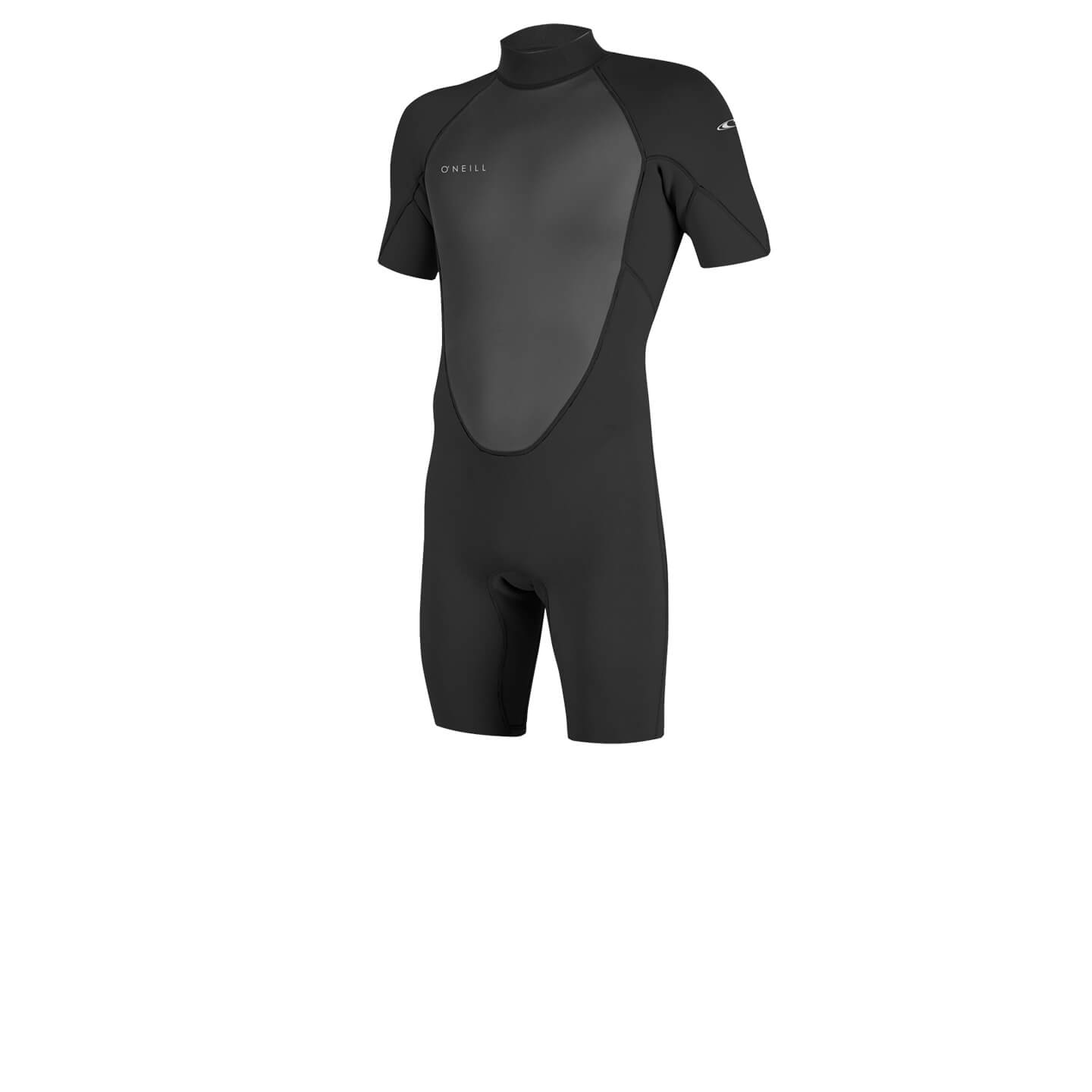
Short-sleeve spring suits and shorties – These provide less coverage and are aimed at warmer conditions where some insulation is still useful.
O’Neill offers a range of 2mm spring suits and short-sleeve options across several of its wetsuit families.
Back zip vs chest zip wetsuits
The zip position is another important consideration when choosing an O’Neill wetsuit.
Back zip
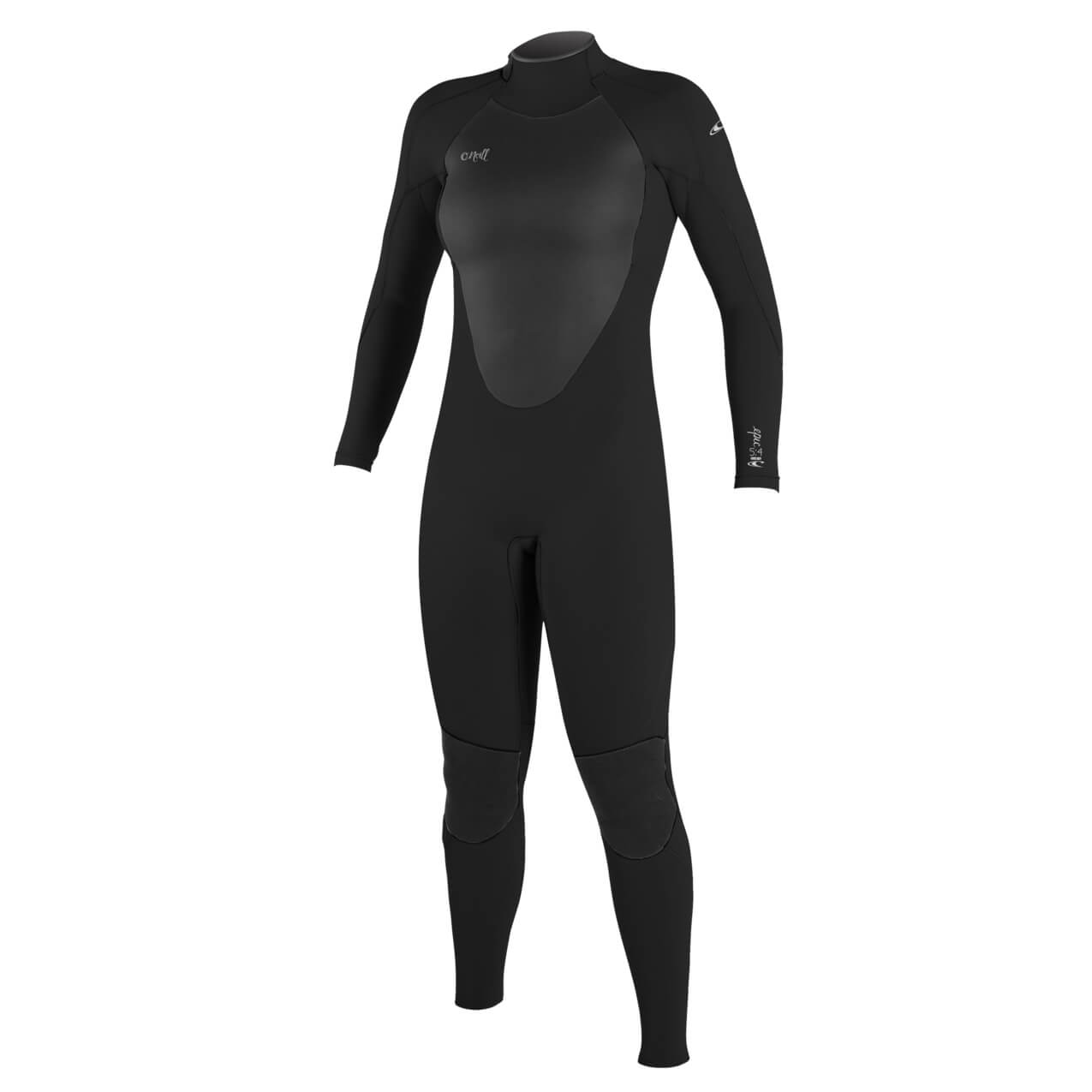
Back-zip wetsuits are generally easier to get into, making them particularly appealing to beginners and anyone who prioritises simple entry.
O’Neill’s Reactor II and many Epic models are available with back zips.
Advantages of a back zip:
- Easy to get into and out of
- Simple, familiar design
- Good choice for beginners
- Often available at a lower price
Chest zip
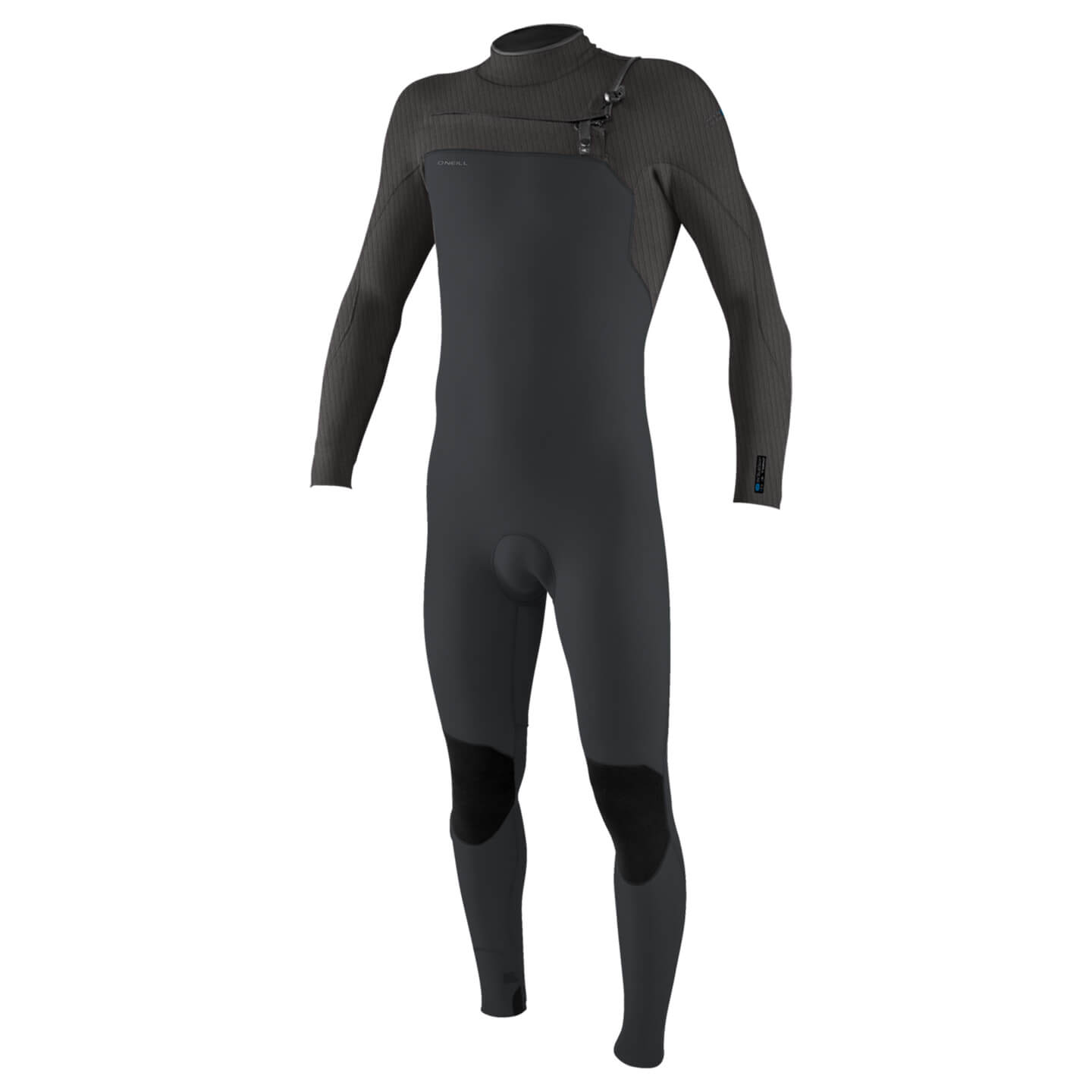
Chest-zip wetsuits require slightly more effort to put on, but offer a secure seal around the upper body and eliminate the long rear zip.
O’Neill uses its F.U.Z.E. chest-zip system across many of its higher-performance wetsuits.
Advantages of a chest zip:
- Secure upper-body seal
- Excellent freedom of movement
- No long zip running down the back
- Common on higher-performance wetsuits
Zipless
At the performance end of the range, O’Neill also offers zipless Hyperfreak Comp wetsuits. Removing the zip allows the suit to be extremely flexible, although getting in and out requires a little more technique.
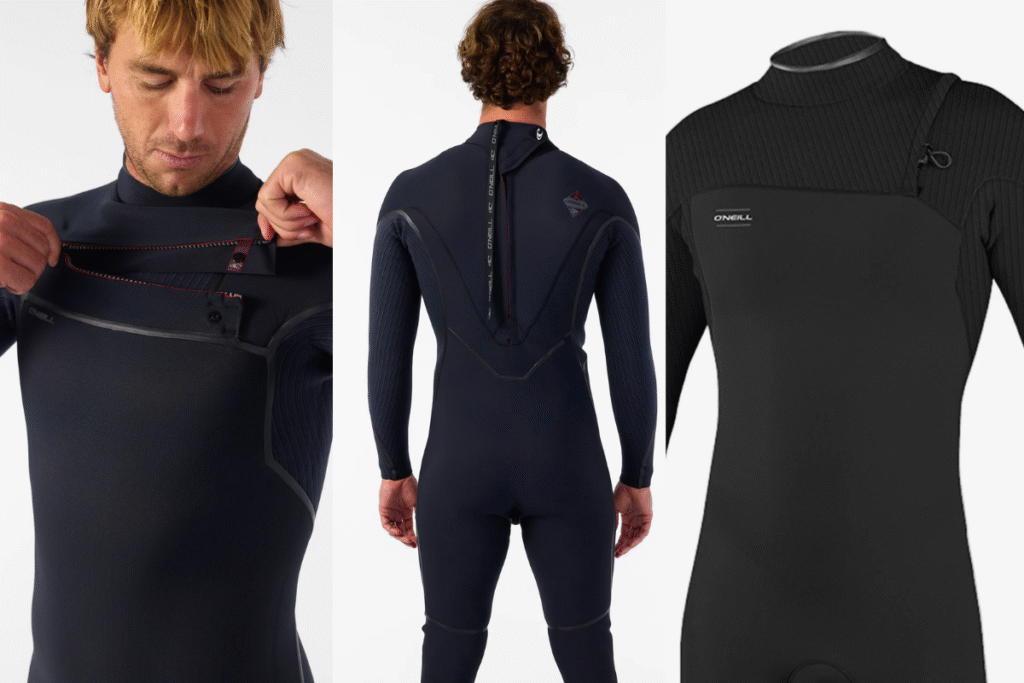
O’Neill Wetsuit Ranges Explained
O’Neill’s wetsuit range covers everything from affordable beginner suits to highly technical cold-water wetsuits.
To make the differences easier to understand, each range below is rated from 1 to 5 for warmth, flexibility and budget.
These are relative ratings across the O’Neill range rather than laboratory measurements.
• O’Neill Reactor II – Affordable and straightforward
The Reactor II sits at the accessible end of the O’Neill range. It is designed around durable, flexible neoprene and straightforward construction, making it a good option for beginners, occasional users and anyone who doesn’t need the absolute maximum flexibility or thermal performance. Back-zip and chest-zip options are available across the range, depending on the thickness and style.
Reactor II rating
| Rating | |
|---|---|
| Warmth | ●●○○○ |
| Flexibility | ●●●○○ |
| Budget | ●○○○○ |
Best suited to: Beginners, occasional riders and anyone looking for an affordable wetsuit.
Typical price: Around £80–£120 depending on thickness, style and current pricing.
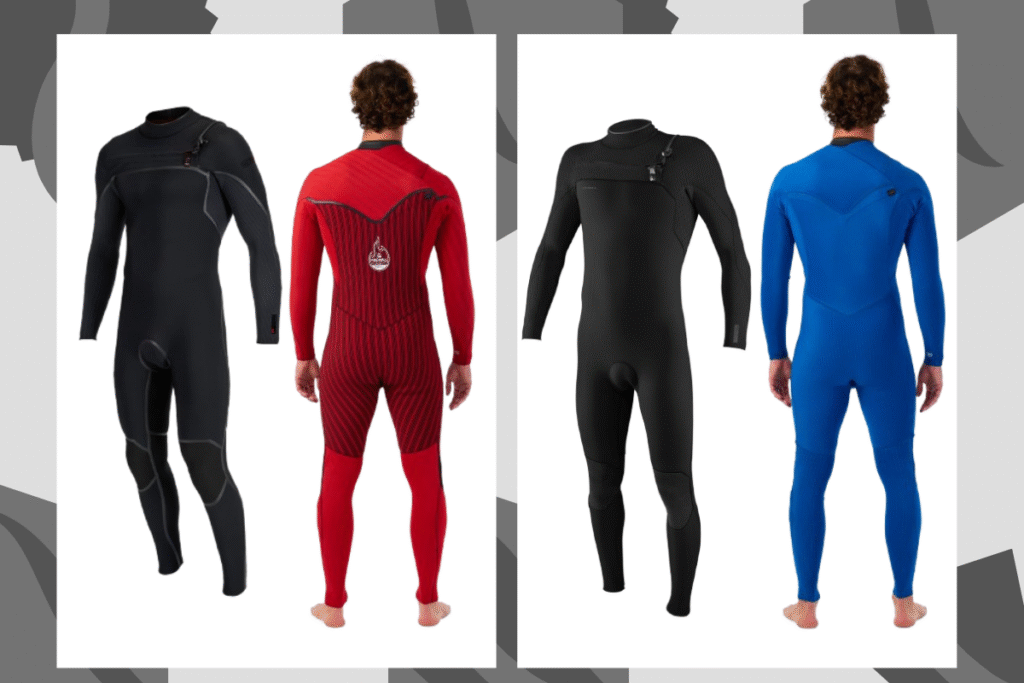
• O’Neill Epic – Performance without the premium price
The Epic moves up into a more technical construction while remaining considerably cheaper than O’Neill’s premium performance ranges. Epic wetsuits use flexible neoprene constructions with thermal lining and sealed seam options on selected models. Chest-zip and back-zip versions are available.
Epic rating
| Rating | |
|---|---|
| Warmth | ●●●○○ |
| Flexibility | ●●●○○ |
| Budget | ●●○○○ |
Best suited to: Regular surfers, kiters and foilers looking for a substantial step up from an entry-level suit without going straight to the premium ranges.
Typical price: Around £190–£230 depending on thickness and construction.
• O’Neill Hammer – Summer flexibility
The Hammer is aimed primarily at warmer conditions and focuses heavily on stretch and freedom of movement. The range includes 2mm short-sleeve and long-sleeve spring suits, making it particularly useful during the warmer months when a full wetsuit would provide too much insulation.
Hammer rating
| Rating | |
|---|---|
| Warmth | ●●○○○ |
| Flexibility | ●●●●○ |
| Budget | ●●○○○ |
Best suited to: Summer surfing, kitesurfing, foiling and other watersports where a full winter wetsuit would be excessive.
Typical price: Around £130–£150.
• O’Neill Hyperfreak – Maximum flexibility
The Hyperfreak is where O’Neill’s wetsuits move firmly into high-performance territory. The range uses O’Neill’s TechnoButter neoprene constructions, with the focus heavily on low weight, stretch and freedom of movement.
Hyperfreak rating
| Rating | |
|---|---|
| Warmth | ●●●○○ |
| Flexibility | ●●●●● |
| Budget | ●●●●○ |
Best suited to: Regular riders who prioritise flexibility, low weight and unrestricted movement.
Typical price: Around £280–£320 depending on thickness and construction.
• O’Neill Hyperfreak Comp – Performance without the zip
The Hyperfreak Comp takes the Hyperfreak concept further by removing the zip altogether.
The zipless construction helps create an extremely flexible suit with minimal restriction across the shoulders and upper body. The Hyperfreak Comp is aimed at riders who put performance and freedom of movement ahead of easy entry.
Hyperfreak Comp rating
| Rating | |
|---|---|
| Warmth | ●●●○○ |
| Flexibility | ●●●●● |
| Budget | ●●●●○ |
Best suited to: Performance-focused riders who want maximum flexibility and don’t mind the slightly more involved process of getting into a zipless suit.
Typical price: Around £280–£300 depending on thickness.
• O’Neill Hyperfreak Wind – Designed for wind sports
For kitesurfing, windsurfing and wing foiling, the Hyperfreak Wind deserves its own category.
The range is specifically designed around the demands of wind-powered watersports, combining the flexibility of the Hyperfreak family with additional thermal protection to help deal with wind chill. The additional insulation makes it particularly relevant to riders who spend long periods exposed to cold air while on the water.
Hyperfreak Wind rating
| Rating | |
|---|---|
| Warmth | ●●●●○ |
| Flexibility | ●●●●● |
| Budget | ●●●●○ |
Best suited to: Kitesurfing, windsurfing and wing foiling, particularly where wind chill is a major factor.
Typical price: Around £320–£340 depending on model and thickness.
• O’Neill Hyperfreak Plus – More performance and warmth
The Hyperfreak Plus sits within O’Neill’s premium Hyperfreak family and adds further thermal and performance technology to the range. It is designed for riders looking for the combination of high flexibility associated with Hyperfreak wetsuits and additional warmth for cooler conditions.
Hyperfreak Plus rating
| Rating | |
|---|---|
| Warmth | ●●●●○ |
| Flexibility | ●●●●● |
| Budget | ●●●●● |
Best suited to: Regular riders who want premium flexibility with additional thermal protection.
Typical price: Premium Hyperfreak pricing, depending on thickness and construction.
• O’Neill Hyperfreak Fire – Warmth meets flexibility
The Hyperfreak Fire sits above the standard Hyperfreak and adds substantially more thermal technology.
O’Neill uses its Firewall thermal technology alongside highly flexible neoprene, giving the range a combination of warmth and freedom of movement. This makes the Hyperfreak Fire particularly interesting for riders who don’t want to sacrifice flexibility when moving into colder water.
Hyperfreak Fire rating
| Rating | |
|---|---|
| Warmth | ●●●●● |
| Flexibility | ●●●●● |
| Budget | ●●●●● |
Best suited to: Riders who want premium flexibility but need considerably more warmth for cold-water sessions.
Typical price: Around £350–£370 depending on thickness and construction.
• O’Neill Psycho Tech – Maximum cold-water protection
At the top end sits the Psycho Tech. This is designed specifically for harsh conditions and long sessions in cold water. O’Neill uses its most advanced thermal and seam-sealing technologies to provide high levels of insulation while retaining as much flexibility as possible. The Psycho Tech is aimed at riders who regularly surf or ride throughout winter and need maximum protection from cold water.
Psycho Tech rating
| Rating | |
|---|---|
| Warmth | ●●●●● |
| Flexibility | ●●●●○ |
| Budget | ●●●●● |
Best suited to: Cold-water surfers and riders who regularly spend long periods in the water during winter.
Typical price: Around £360–£420 depending on thickness and model.
O’Neill Wetsuit Range Comparison
The table below provides a quick way to compare the main O’Neill wetsuit families.
| O’Neill Range | Warmth | Flexibility | Budget | Best For |
|---|---|---|---|---|
| Reactor II | ●●○○○ | ●●●○○ | ●○○○○ | Beginners and occasional use |
| Epic | ●●●○○ | ●●●○○ | ●●○○○ | Regular use and value |
| Hammer | ●●○○○ | ●●●●○ | ●●○○○ | Warmer water |
| Hyperfreak | ●●●○○ | ●●●●● | ●●●●○ | Maximum flexibility |
| Hyperfreak Comp | ●●●○○ | ●●●●● | ●●●●○ | Performance and zipless flexibility |
| Hyperfreak Wind | ●●●●○ | ●●●●● | ●●●●○ | Kitesurfing, winging and wind sports |
| Hyperfreak Plus | ●●●●○ | ●●●●● | ●●●●● | Premium flexibility and warmth |
| Hyperfreak Fire | ●●●●● | ●●●●● | ●●●●● | Cold water and high performance |
| Psycho Tech | ●●●●● | ●●●●○ | ●●●●● | Serious cold-water sessions |
Men’s and Women’s O’Neill Wetsuits
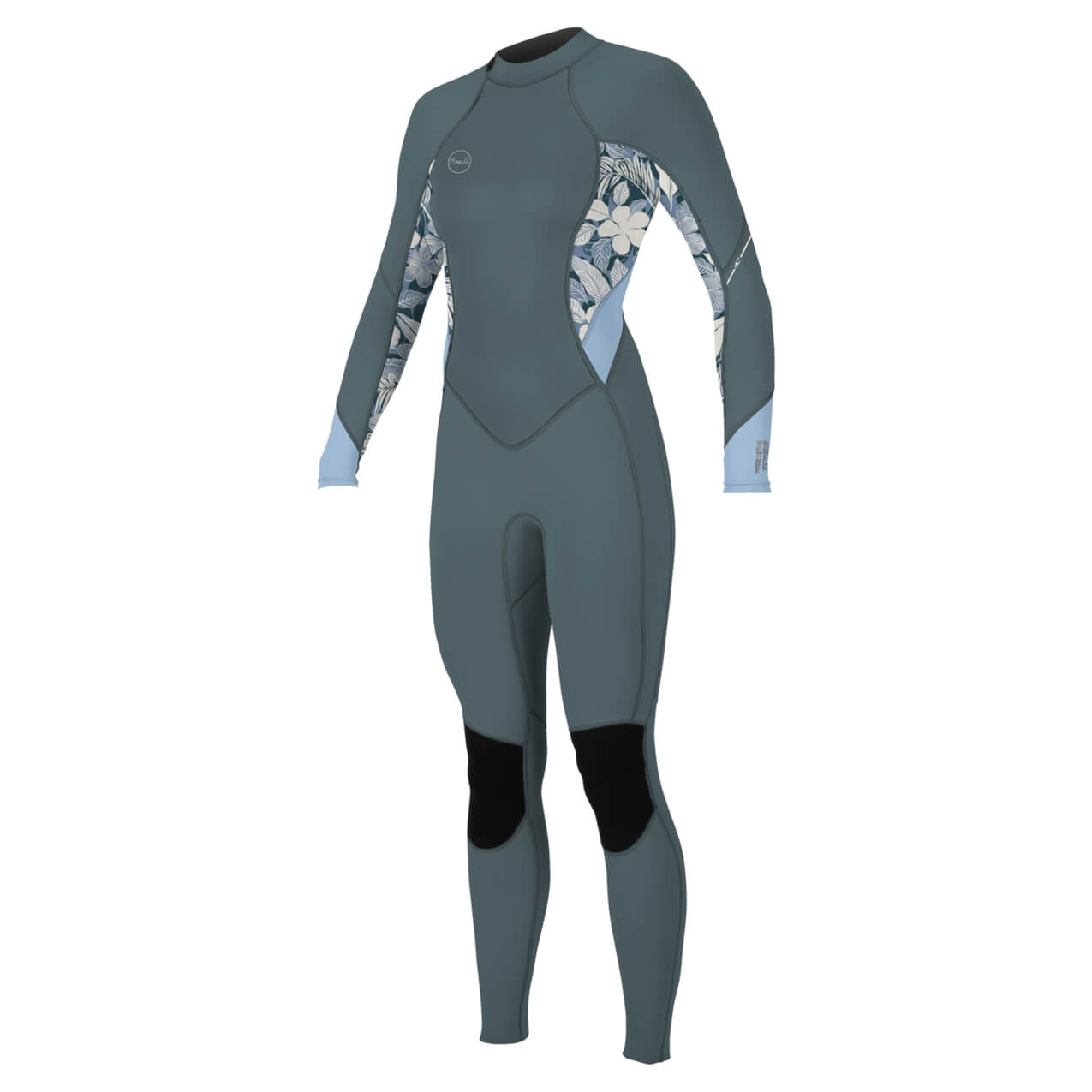
O’Neill produces dedicated wetsuit ranges for both men and women, with many of the major performance families available across both collections.
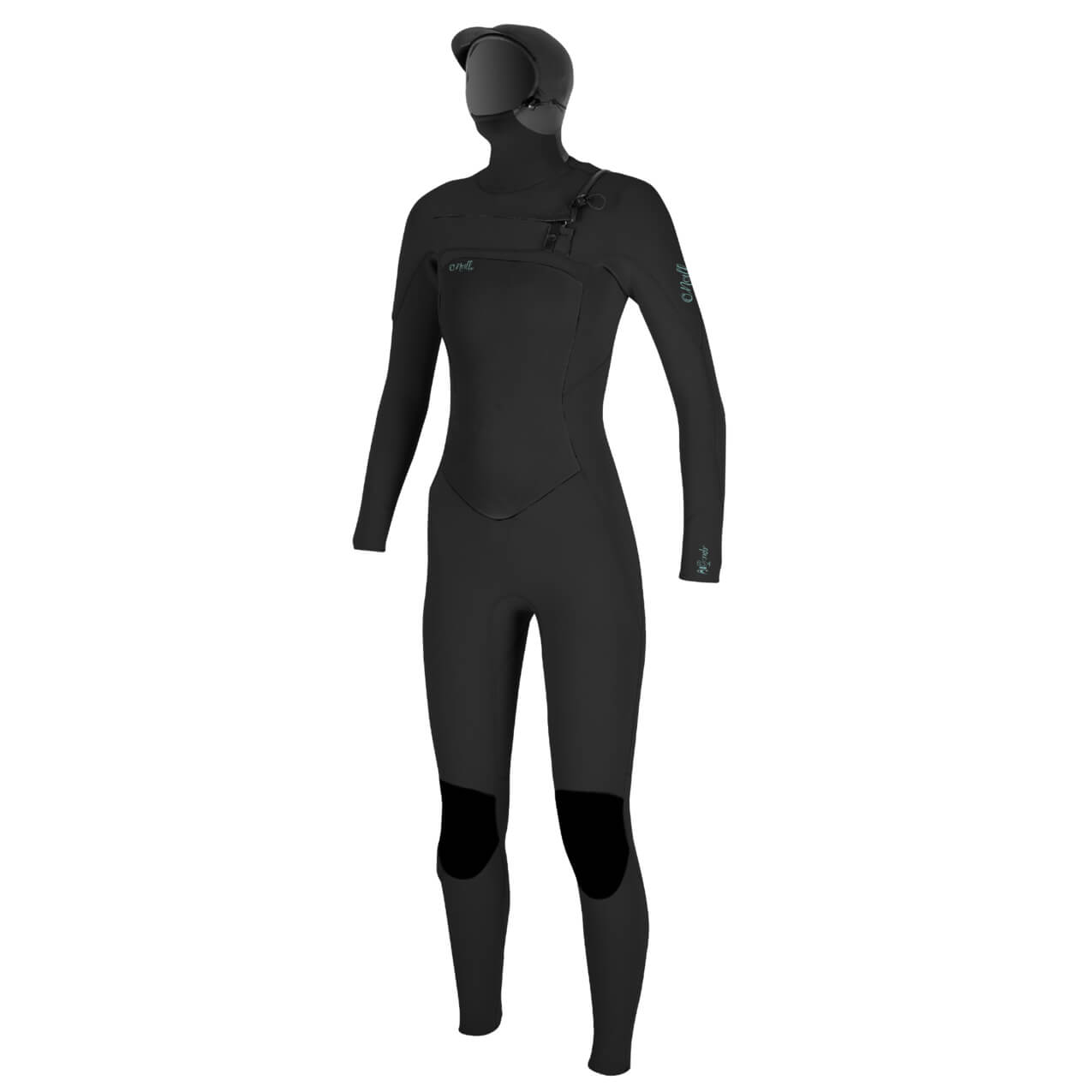
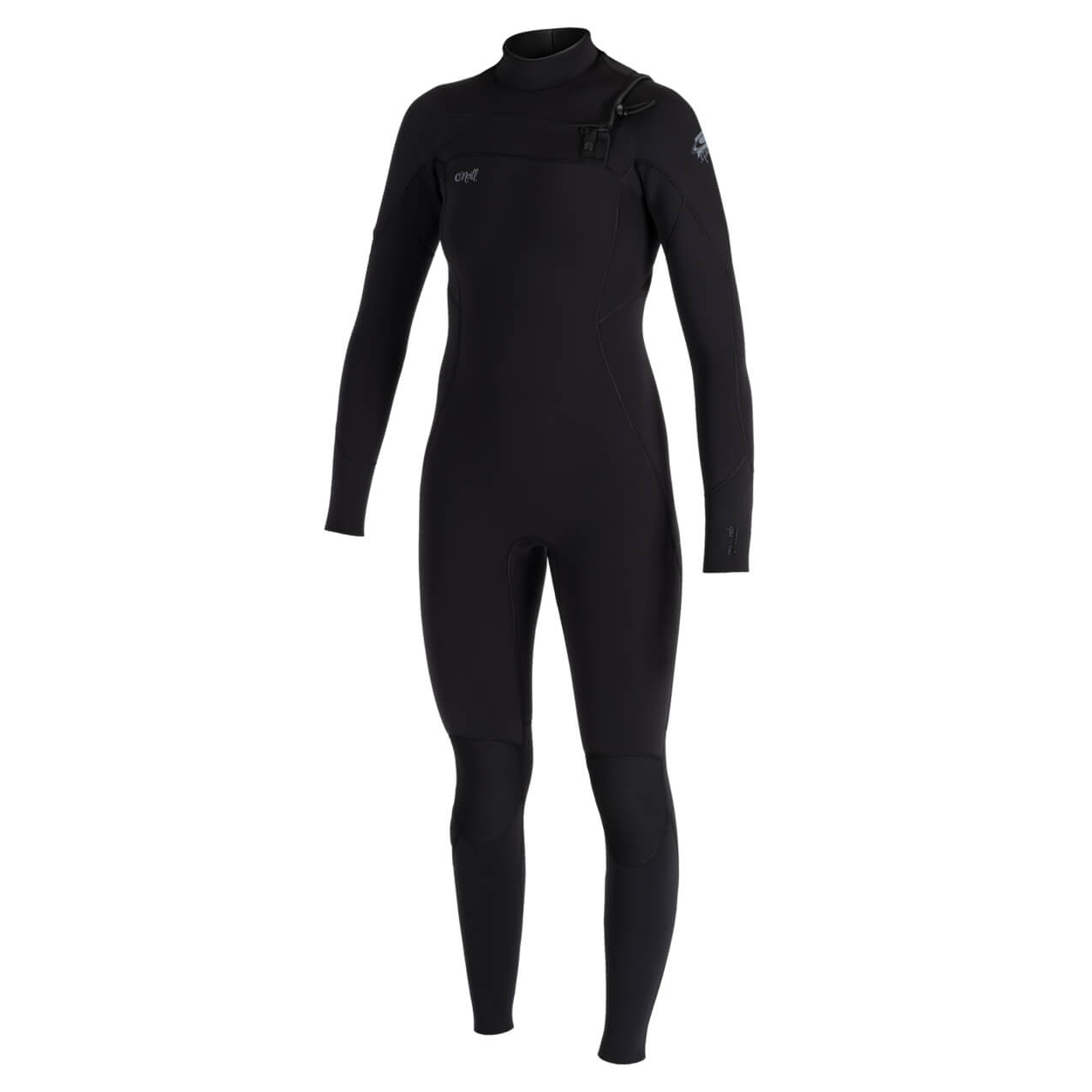
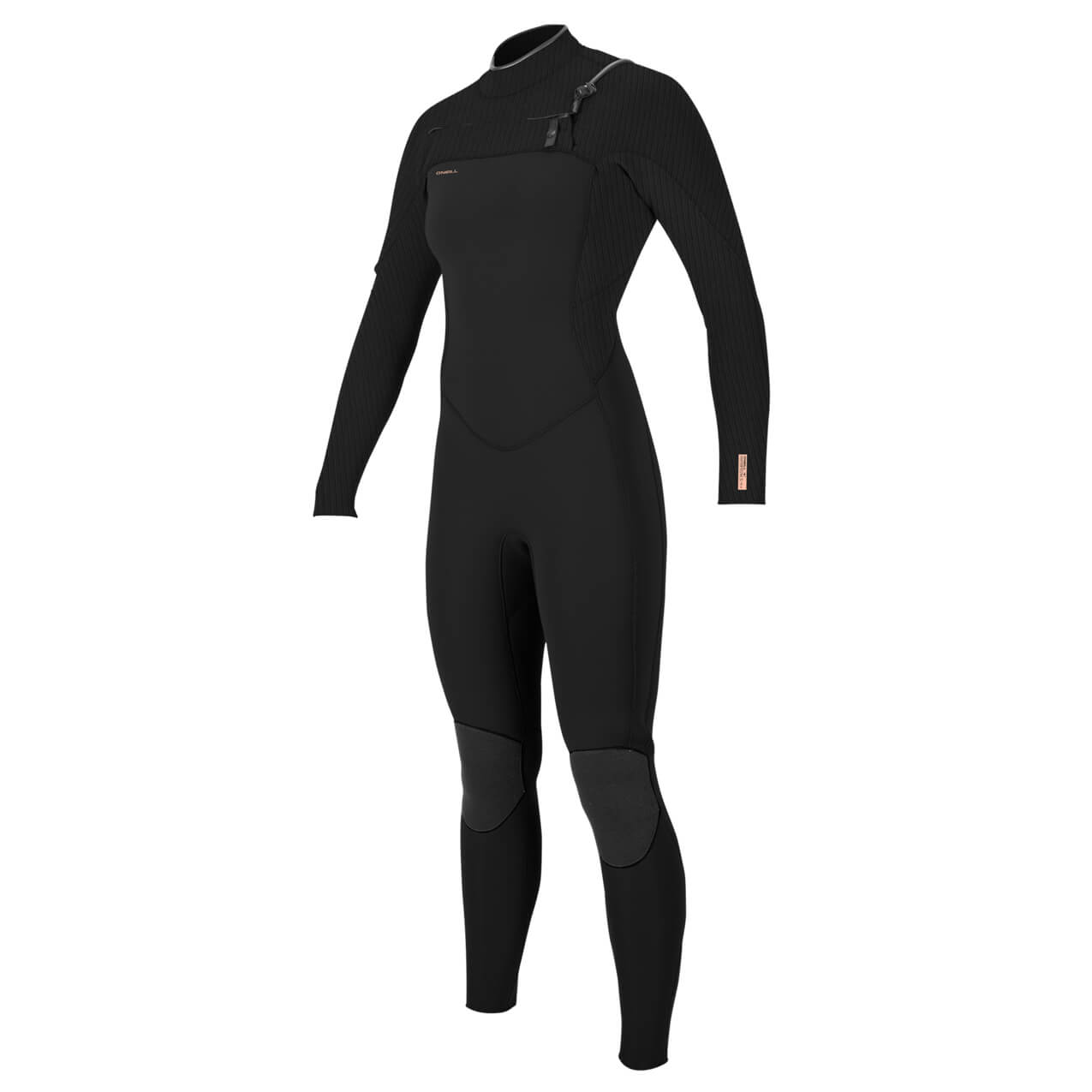
The women’s range includes models from the Reactor II and Epic through to Hyperfreak, Hyperfreak Fire and Psycho Tech.
The important thing is to choose the correct cut rather than simply choosing a suit based on height and weight.
A wetsuit should feel tight when first put on. It shouldn’t have loose areas around the lower back, shoulders or knees, but it also shouldn’t restrict breathing or movement.
O’Neill offers a wide range of sizes, including different body-shape options on selected models, which can make a significant difference to fit.
Which O’Neill Wetsuit Is Right for You?
There’s no single O’Neill wetsuit that works for everyone. The right choice depends on water temperature, air temperature, how active you are in the water and how much flexibility you want.
| If you want… | Look at… |
|---|---|
| An affordable first wetsuit | Reactor II |
| A step up in warmth and construction | Epic |
| A summer spring suit | Hammer |
| Maximum flexibility | Hyperfreak |
| Maximum flexibility with zipless construction | Hyperfreak Comp |
| A suit specifically for wind sports | Hyperfreak Wind |
| Premium flexibility with extra warmth | Hyperfreak Plus |
| High-end warmth and flexibility | Hyperfreak Fire |
| Maximum cold-water protection | Psycho Tech |
O’Neill Wetsuits for Year-Round UK Use
For someone riding in the UK throughout the year, there is a good argument for having more than one wetsuit rather than trying to find a single suit that covers everything.
A typical setup could be:
Summer: 2mm Hammer, Reactor II or Hyperfreak spring suit
Spring/autumn: 3/2mm Epic or Hyperfreak
Cooler spring/autumn: 4/3mm Epic, Hyperfreak or Hyperfreak Wind
Winter: 5/4mm Epic, Hyperfreak Fire or Psycho Tech
The right combination will depend on the individual, particularly how susceptible they are to the cold and how much time they spend in the water.
Choosing Your O’Neill Wetsuit
O’Neill’s current range covers a huge spread of conditions, from simple 2mm summer suits through to highly technical 5/4mm winter models.
For occasional summer use, the Reactor II or Hammer provides a relatively simple and affordable solution. Moving into the Epic range adds more technical construction and thermal performance, while the Hyperfreak family is aimed at riders who put flexibility and freedom of movement high on the list.
For colder conditions, the Hyperfreak Fire and Psycho Tech add progressively more thermal technology, while the Hyperfreak Wind is particularly relevant to wind-powered watersports.
The most important thing is to choose the right thickness for the water temperature, the right amount of coverage for the conditions and, above all, the right fit. A well-fitting 3/2mm wetsuit can be more comfortable and effective than a poorly fitting thicker suit.
Shop the O’Neill wetsuit range at King of Watersports and find the right suit for your next session.
Recent Posts
What’s in the Bag: Slingshot’s UFO V4 Kite
Duotone Unit vs Unit SLS vs D/LAB 2027: Which Wing Should You Buy?
New 2027 Slingshot Kite is here
Discover 2027 North Kite Big Air
F-One Frigate V2 Parawing – First Look
Categories
Brands
Blog topics
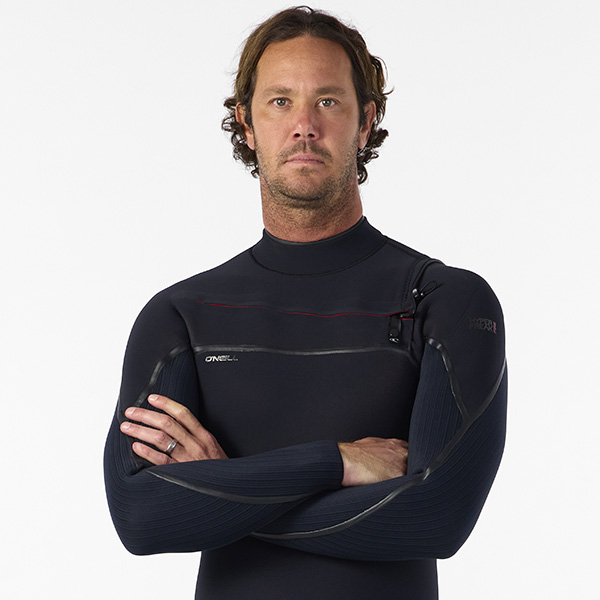
Browse the full range of Men’s O’Neill wetsuits.
Men's O'Neill Wetsuits
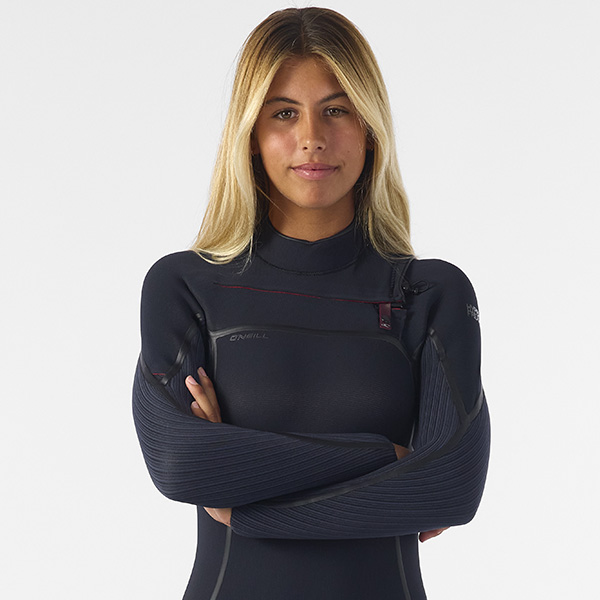
Browse the full range of Women’s specific O’Neill wetsuits.
Women's O'Neill Wetsuits
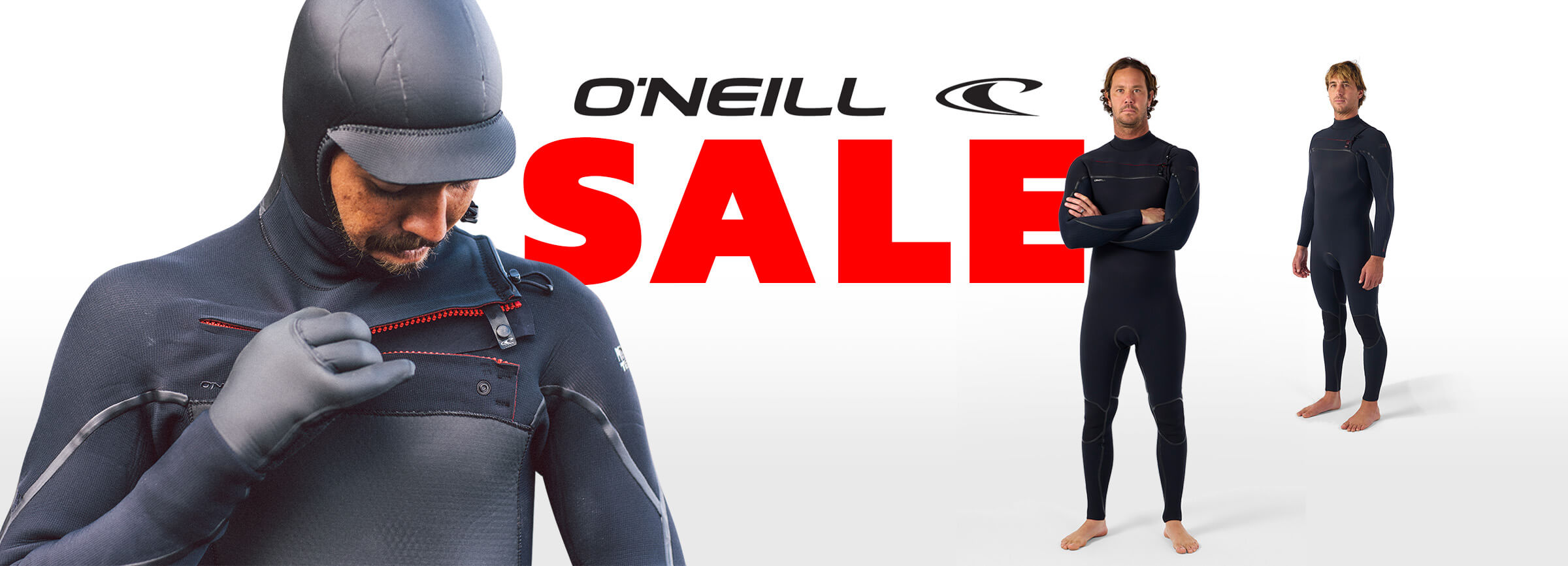
O’Neill Wetsuit Sale Range
Check Out the O'Neill Sale Here