Buying a Kitesurf Kite: How to Choose the Right One
Buying a Kitesurf Kite: How to Choose the Right Kite
Buying your first kitesurf kite can be confusing. There are different kite types, sizes, brands and models, all designed with slightly different riding styles and conditions in mind.
The good news is that you don’t need to understand every technical detail before buying your first kite. For most riders, a versatile kite that is easy to fly and has a good wind range is the best place to start.
This guide explains the main things to consider when buying a kitesurf kite, from choosing the right type and size to deciding how many kites you need in your quiver.
What type of kitesurf kite should I buy?
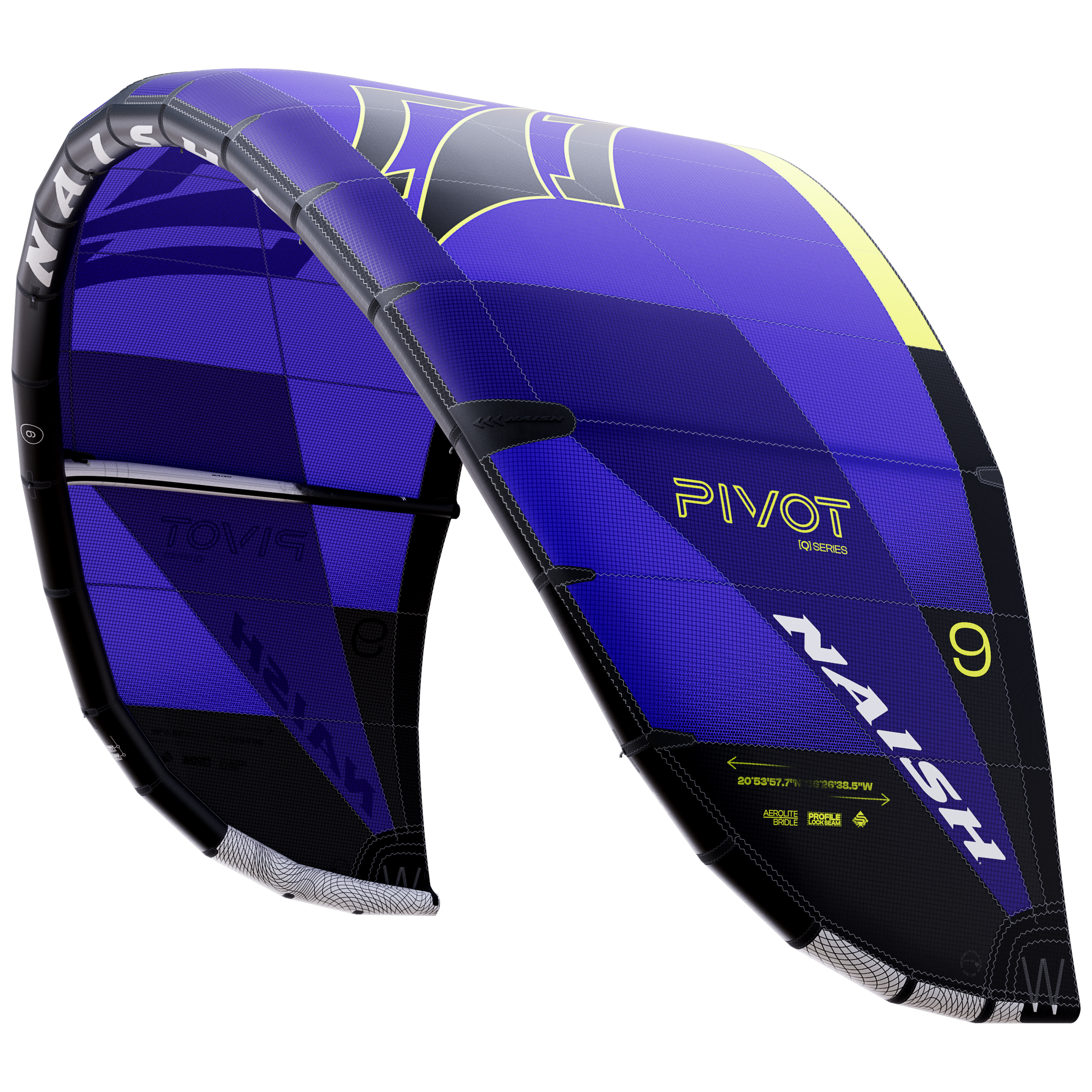
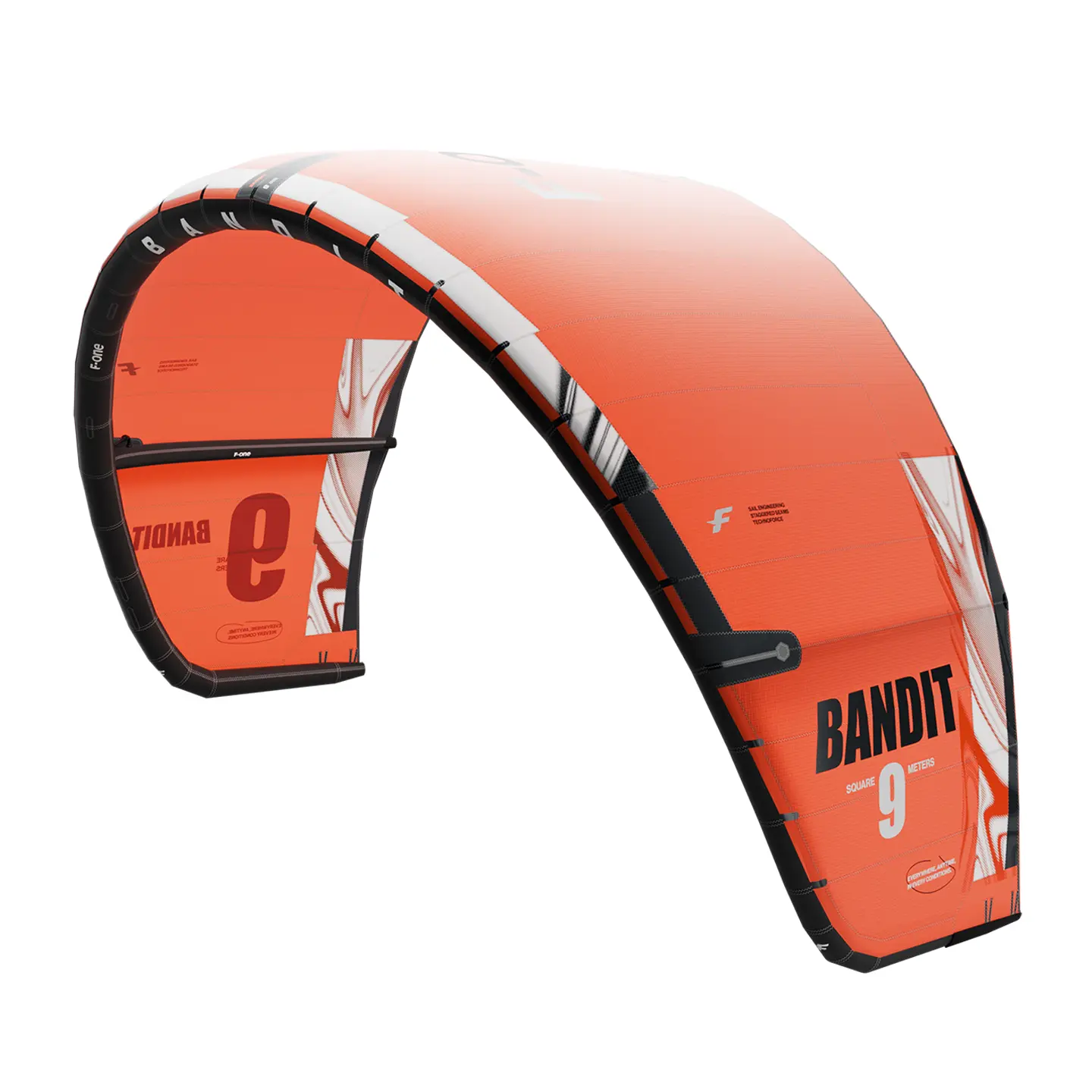
There are several types of kites to choose from and each has its own pros and cons. For most people new to the sport, a freeride kite is perfect as it’s a blend of easy to fly, good wind range and capable of a bit of all styles of riding.
This all-round style of kite is great because as you learn new skills, the kite will be capable of performing. This means you can experiment with different styles of riding before buying anything too specific.
The main types of kitesurf kite are:
- Freeride
- Big Air
- Wave
- Freestyle
- Lightwind
- Foil
Freeride kites
Freeride kites are designed to do a bit of everything. They generally offer easy handling, good depower, a wide wind range and predictable performance.
For someone buying their first kite after completing lessons, a freeride kite is often the most versatile choice. It can be used for cruising, jumping, learning transitions and progressing into more advanced riding.
Big Air kites
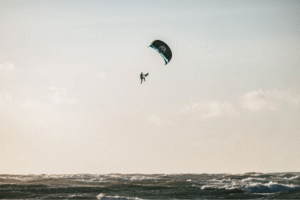
Big Air kites are designed for riders who want to jump higher and spend more time in the air. They typically offer plenty of lift, hangtime and controlled power when jumping.
They can still be used for everyday freeriding, but if jumping is the main reason you go kitesurfing, a dedicated Big Air kite can be a good choice.
There are different levels of big air kites with the more expensive models being made from stiffer, lighter and more technical fabrics which are not essential but great for those chasing new heights.
Wave kites
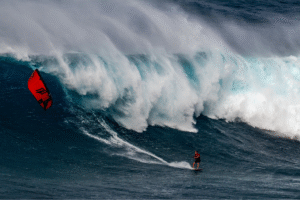
Wave kites are designed for riding waves and are generally responsive, easy to redirect and capable of handling changes in power.
They are particularly suited to riders who want to surf the wave rather than rely on the kite for their power. Many wave kites are also versatile enough for general freeriding and foiling.
Freestyle kites
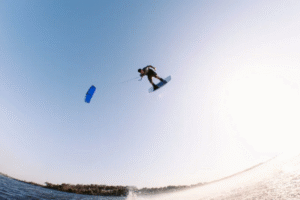
Freestyle kites are aimed at riders who want to perform tricks, powered manoeuvres and unhooked moves. They are generally more specialised than freeride kites and are usually better suited to experienced riders who know exactly what they want from their kite.
Lightwind kites
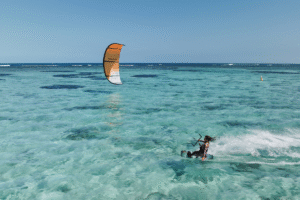
Lightwind kites are designed to get you riding when the wind is relatively light. They tend to be larger and are often paired with a larger board to maximise the amount of time you can spend on the water.
For riders who regularly deal with lighter winds, a dedicated lightwind kite can be a useful addition to a quiver.
Also known as a session saver, these light wind kites are essential if you are looking to maximise your time on the water.
Foil kites
Foil kites are different from the inflatable LEI kites most recreational kitesurfers use. They are particularly popular for kite foiling, racing and riding in very light winds.
For someone buying their first inflatable kitesurf setup, a foil kite is unlikely to be the obvious starting point.
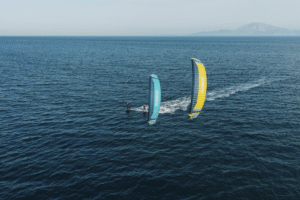
What size kitesurf kite do I need?
When starting out buying your quiver of kites, you need to choose a size and this is perhaps the hardest question. It depends on where you live, your weight, your board and the conditions you intend to ride in.
You should have got a good idea from the lessons you had, but for most people somewhere between a 10m and 13m kite is a great place to start, depending on their weight.
This would usually see you getting out in around 15–22 knots of wind, which is fun and exciting without being too windy or too light that it becomes hard work to keep the kite in the air.
The following table gives a general starting point, but it shouldn’t be treated as an exact guide. Different kite models have different wind ranges, while board size, rider ability and local conditions can all make a significant difference.
| Rider weight | Light wind | Typical | Strong wind |
|---|---|---|---|
| 50–70kg | 12m | 9–10m | 6–7m |
| 70–80kg | 12–15m | 9–11m | 7–8m |
| 80–90kg | 14–17m | 11–12m | 8–9m |
| 90kg+ | 15m+ | 12–13m | 8–10m |
Do not take this table as an exact science. If you’re unsure, it’s worth speaking to an experienced kitesurf shop before buying. The right kite isn’t simply the one that matches your weight on a chart.
How many kites do I need?
Most riders will eventually build a quiver of two or three kites rather than relying on a single size.
A three-kite quiver gives you the best options and a large wind range. The most popular quiver breakdown is 7m, 9m and 12m – this will cover a wind range from about 17 – 30 knots depending on the rider weight and ability.
A two-kite quiver gives you a useful spread of wind conditions without having to buy a large number of kites. For example, a 9m and 12m combination is popular with riders in the UK, although the ideal combination depends on rider weight and the conditions where you normally kite.
The important thing is to look at the wind range of the individual kites rather than simply buying three sizes with identical gaps between them.
What size kite should I buy first?
For many riders, the first kite will be somewhere around the 9m–13m range.
A rider weighing under 70kg may find a 9m or 10m a useful starting size, while a rider around 90kg+ may be more comfortable starting around 12m or 13m.
However, there isn’t one correct first kite size. Think about the wind conditions you are most likely to encounter and you should have got a good idea from the lessons you had. Ideally you want to be out kitesurfing in medium winds to help build your skills and get comfortable riding independently. For most people this would be between 15 – 22 knots. Going out in strong and light winds will bring further challenges in kite control which can make it harder to progress.
Larger kites turn more slowly and smaller kites turn faster. Larger kites in light winds take a good pilot to keep them in the air. A smaller kite in 35 knots also needs a good pilot as everything happens so much faster. Take your time build up the basics before jumping into either the light or strong wind extremes.
What should I look for when buying a kitesurf kite?
Once you’ve decided on the type and size of kite, there are a few other things worth considering.
Wind range
Look at the recommended wind range for the specific kite rather than relying purely on its size. Two 10m kites from different manufacturers can have noticeably different characteristics and wind ranges.
Relaunch
Easy relaunch is particularly useful for newer riders. If the kite ends up in the water, you want to be able to get it flying again without too much hassle.
Handling
Some kites are fast and responsive, while others are slower and more predictable. Neither is necessarily better; it depends on what you want from the kite.
Progression
Think about where your riding is going rather than only what you can do today. A versatile freeride kite can be a good investment because it can continue to work as your skills improve.
If you live somewhere with decent waves then a wave kite may be the way to go from the start point. Think about where you want to be and what sort of riding you aspire to.
What about bar and lines?
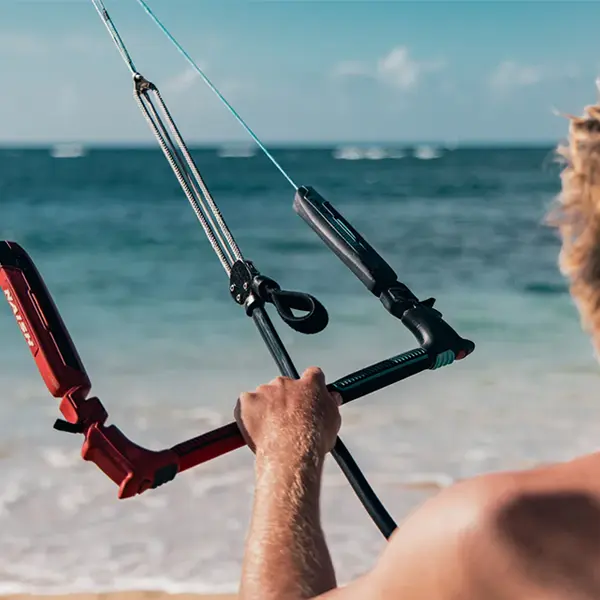
Most kitesurf kites are sold on their own, unless its a complete package, so you’ll also need a control bar and lines. The bar is how you steer the kite and control its power, and it carries the safety release system, so it’s just as important as the kite itself.
Stick with the same brand
Bars are designed around each brand’s kites, including their line settings, bridle connections and safety systems. Using the same brand’s bar for your kite is the simplest and safest option. Some bars will work across brands, but always check compatibility before buying.
Bar size
Most bars come in a couple of widths, or adjust to suit different kite sizes. A shorter bar suits smaller kites and a wider bar gives more leverage on larger kites. Many riders use one adjustable bar across their whole quiver.
Lines
Most bars come with lines of around 22–24m, which suits the majority of riders and conditions. Check your lines regularly for wear, knots and stretch, because uneven lines affect how the kite flies.
Safety release
Every modern bar has a quick-release system that lets you depower the kite in an emergency. Make sure you’re familiar with how your bar’s release works before you ride it.
If you’re buying your first setup, a kitesurf package with the kite and bar together is often the best value and guarantees everything is compatible.
Which kitesurf kite is right for me?
If you’re still unsure, start with the conditions rather than the brand.
Think about:
- How much do you weigh?
- Where do you normally kitesurf?
- What wind speeds do you usually get?
- What kite sizes did you use during your lessons?
- Do you want to freeride, jump, surf waves or learn tricks?
- Are you buying one kite or building a complete quiver?
- What is your budget?
Once you know the answers, choosing a kite becomes much easier.
There are excellent kites available for almost every style of riding, and the latest models from the major brands can offer very different characteristics even when they are the same size.
If you’re still not sure which kite or sizes are right for you, speak to the King of Watersports team before buying. With information about your weight, ability, local conditions and riding style, they can help you narrow down the options.
Buying a kitesurf kite from King of Watersports
King of Watersports stocks kites from many of the leading kitesurfing brands, with options for beginners, freeriders, Big Air riders, wave riders and more experienced kiters.
Browse the full range of Kitesurf Kites to compare the latest models, sizes and offers.
If you’re new to the sport, the Kitesurfing Getting Started Guide is also a useful place to start, covering the equipment you’ll need as you progress from lessons towards riding independently.
Recent Posts
ION Wetsuits Guide: How to Choose Between Select, Amp, Core, Element and Static
What’s in the Bag: Slingshot’s UFO V4 Kite
O’Neill Wetsuits: The Complete Guide to Choosing the Right Suit
Duotone Unit vs Unit SLS vs D/LAB 2027: Which Wing Should You Buy?
New 2027 Slingshot Kite is here
Categories
Blog topics