14 Jun 2022
Beginner’s Guide to Kitesurfing: How to Get Started

Step 1: Take Kitesurfing Lessons
Before buying any gear, book a lesson with a qualified kitesurfing instructor. This is essential for safety and progression.
Why lessons matter:
-
Learn safety instructions that apply at all skill levels.
-
Practice launching and landing with assistance.
-
Build confidence riding in both directions.
-
Understand self-rescue techniques.
-
Get advice on kite sizes for different wind strengths.
Taking lessons means you’ll progress faster, avoid dangerous mistakes, and gain confidence on the water. Many beginners are surprised how quickly they can get riding once they’ve mastered the basics with the guidance of a professional.
Step 2: Choosing Your First Kitesurfing Setup
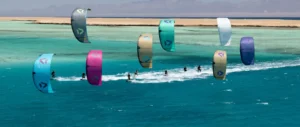
The kitesurfing market is full of equipment, but not everything is beginner-friendly. Here’s what to avoid and what to look for:
What to Avoid
-
Old or cheap second-hand gear – stretched lines, punctured kites, and outdated safety systems can put you at risk.
-
High-performance kites – Big Air or Freestyle kites are powerful and technical, not suitable for beginners.
Recommended Kites for Beginners
-
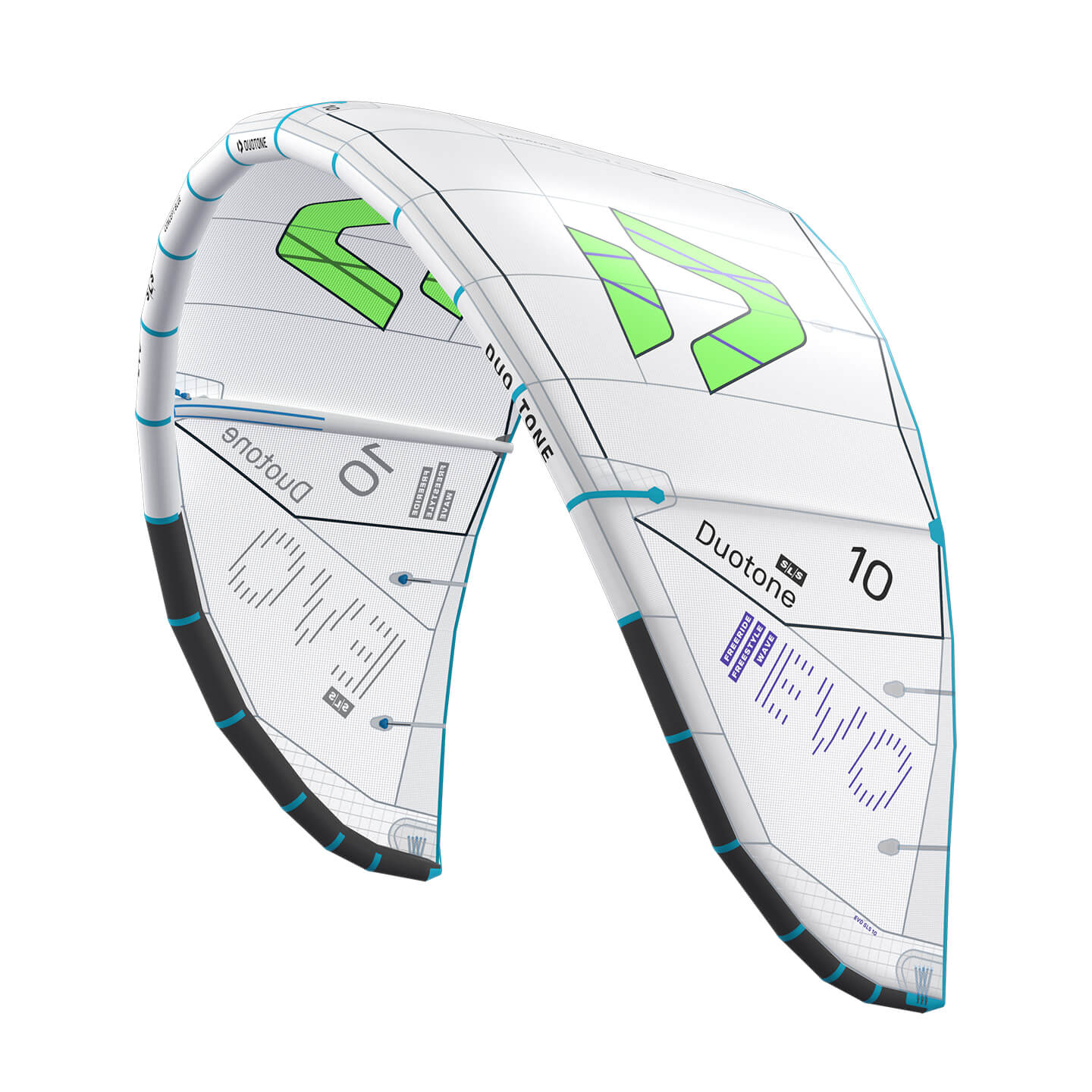
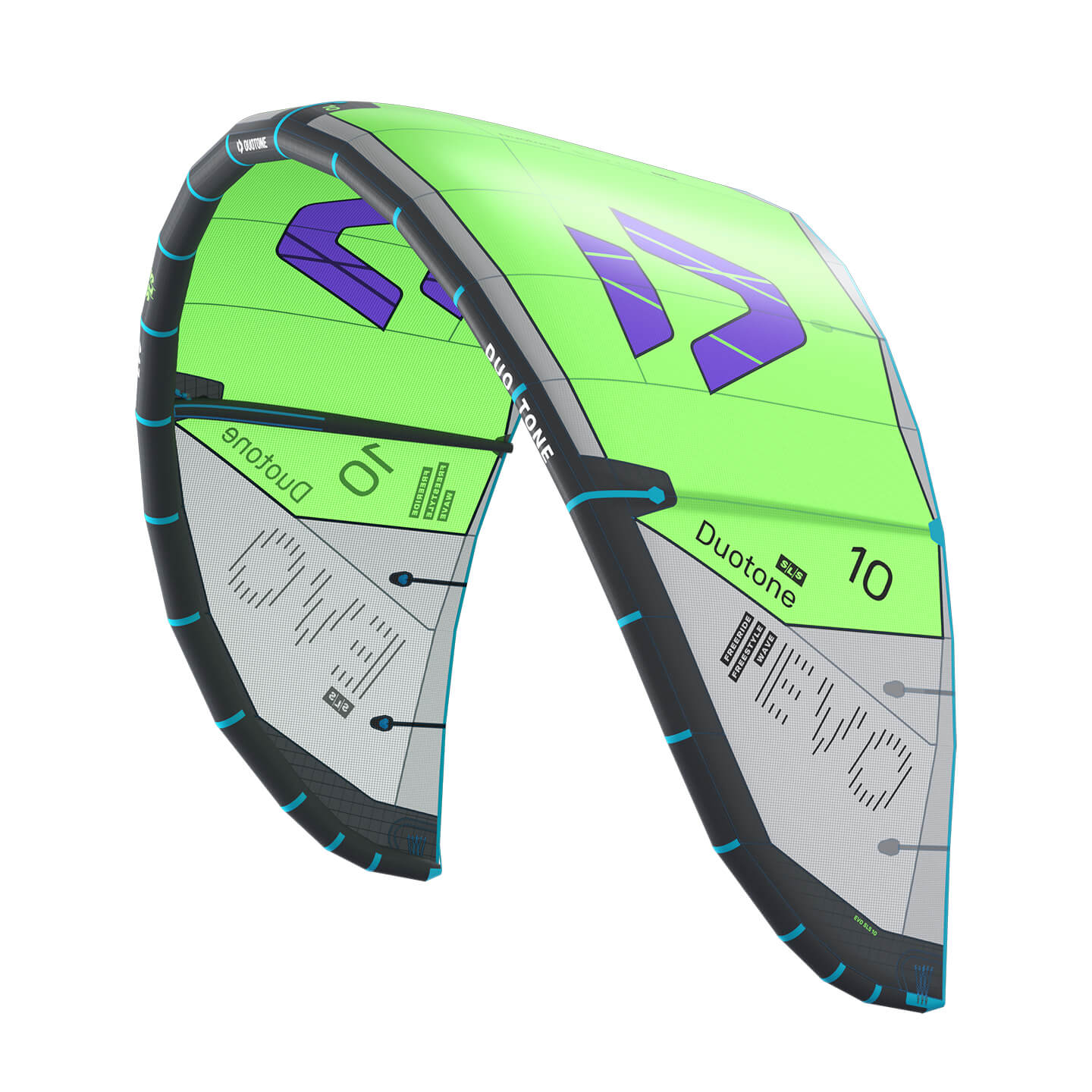
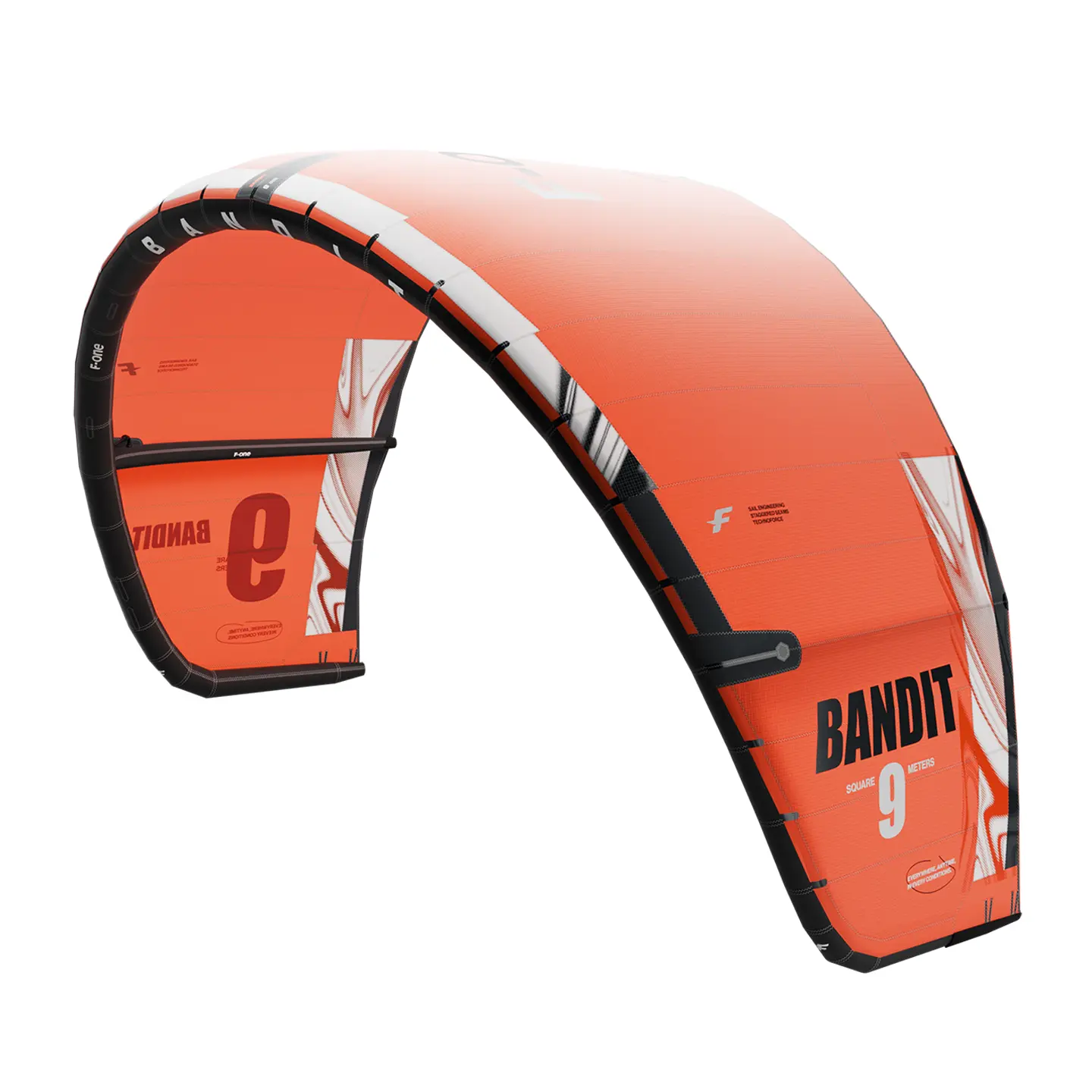
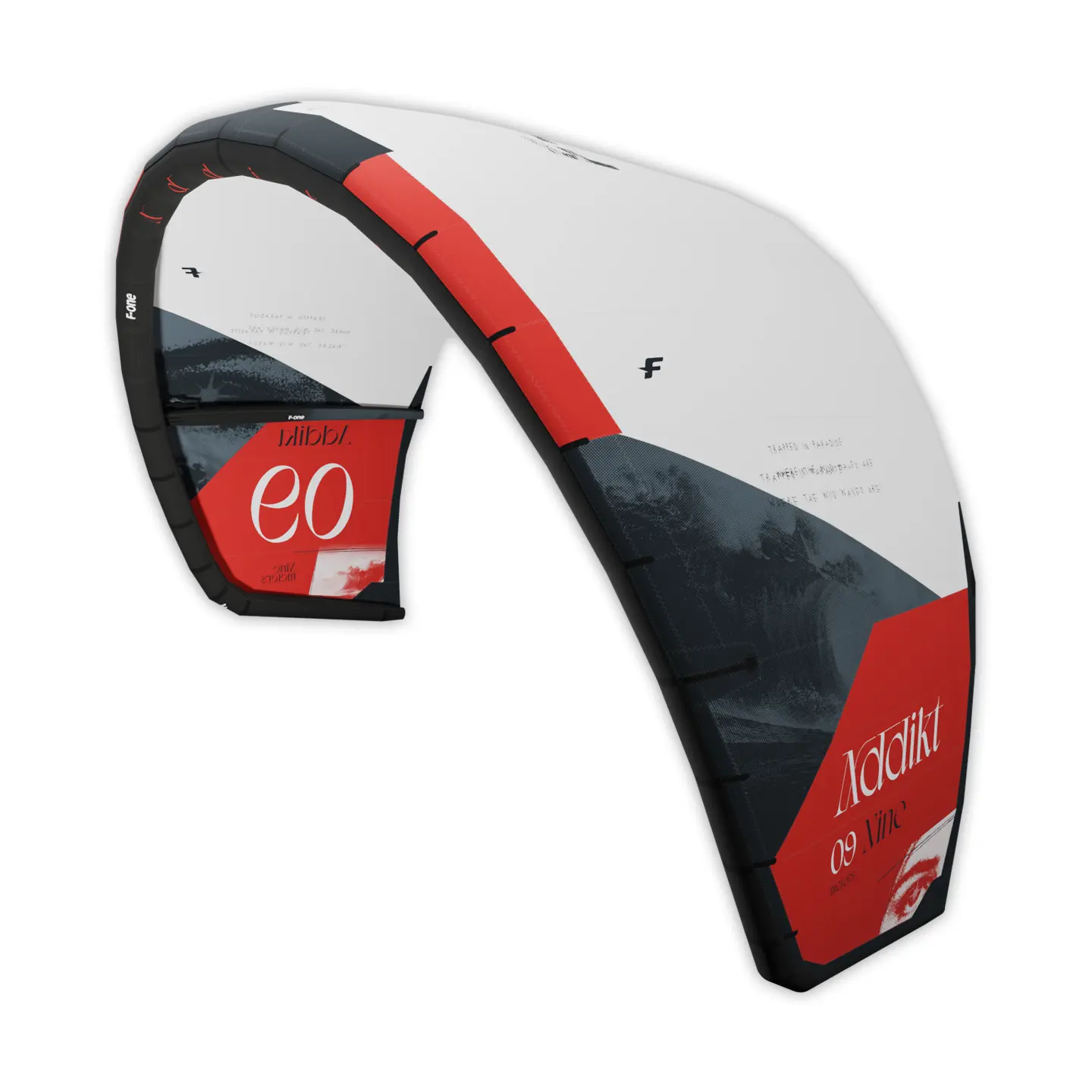
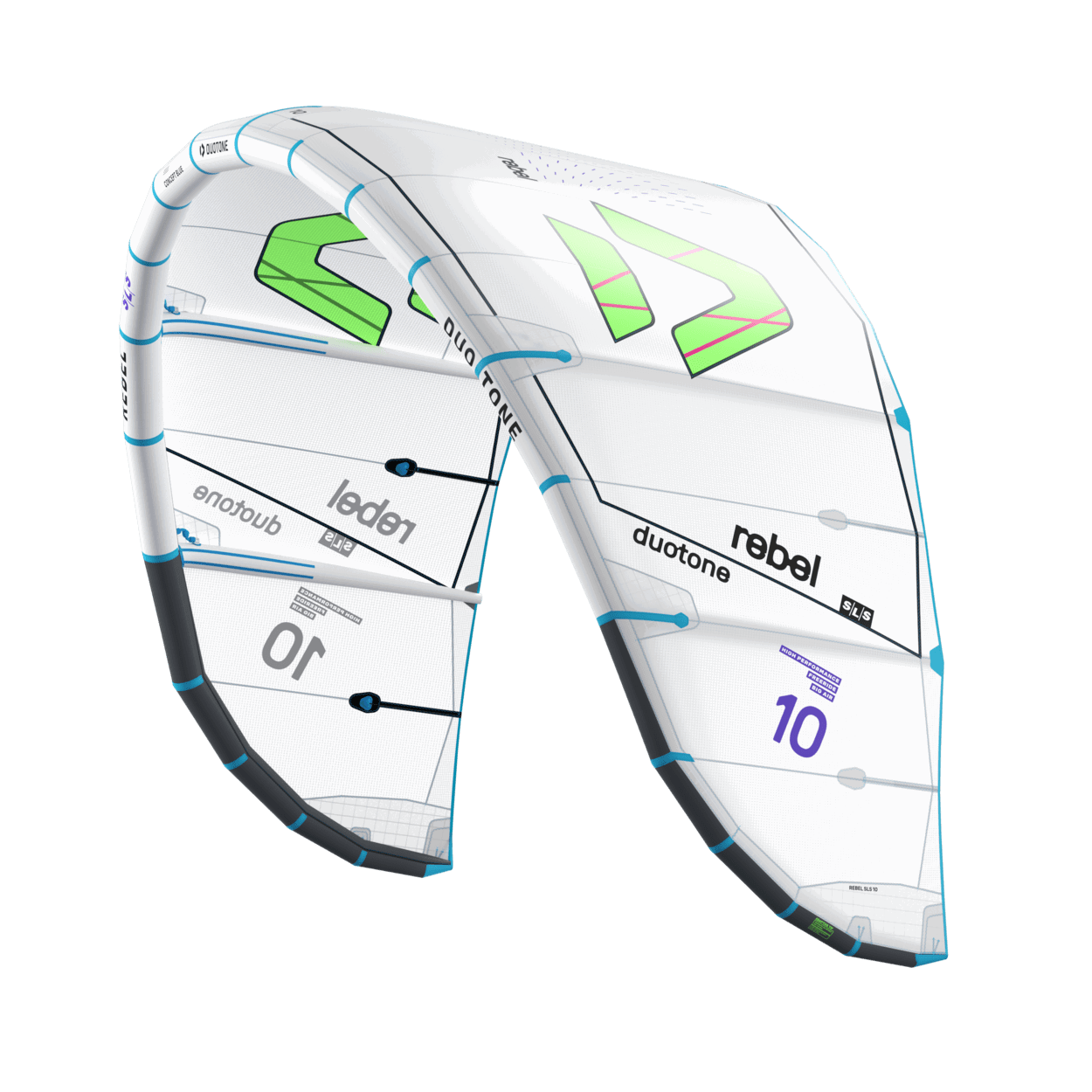
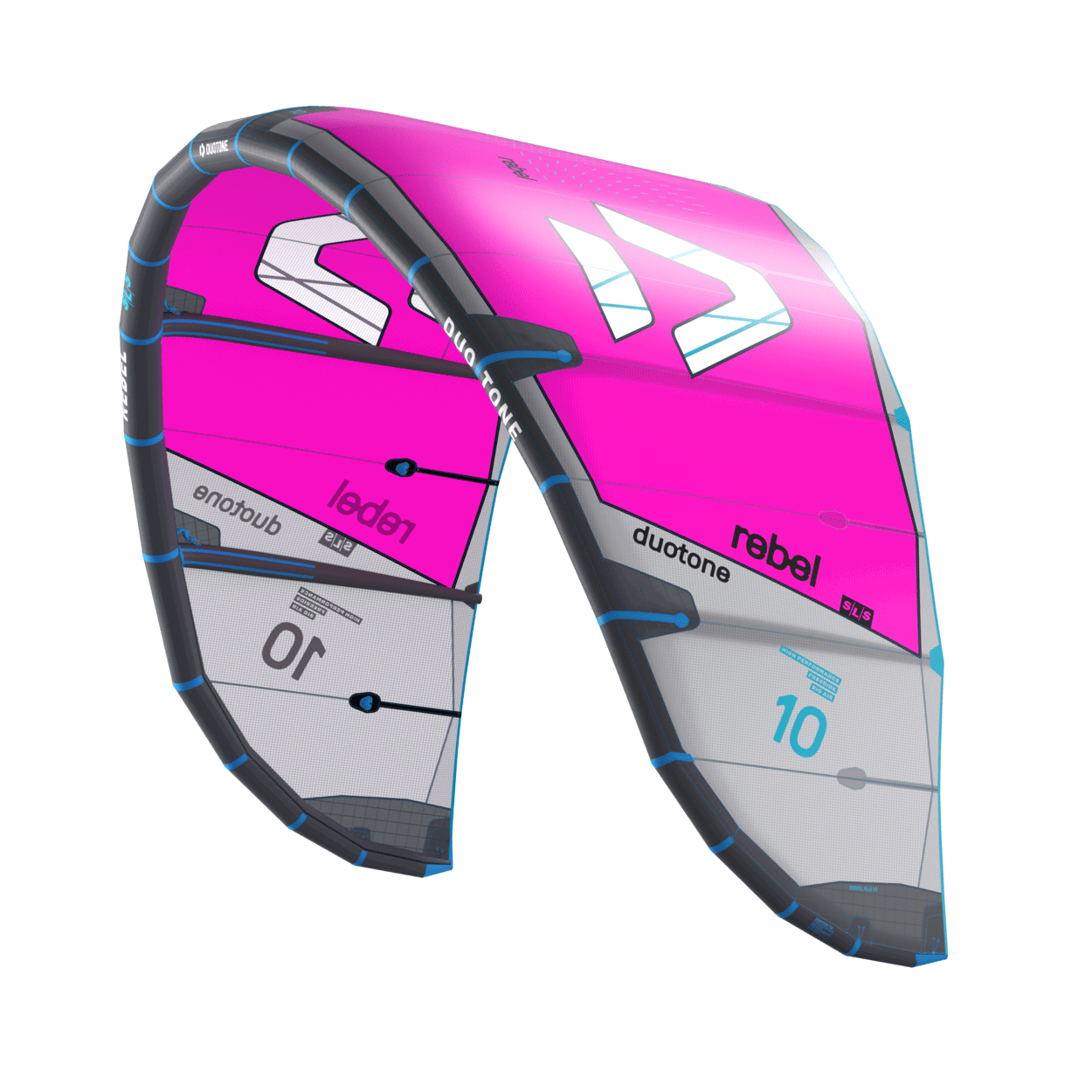
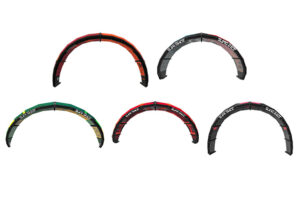
Freeride Kites – versatile, forgiving, and great for first-timers.
-
Wave Kites – softer power delivery and smooth steering, ideal for learning.
-
Lightwind Kites – easy to fly but more delicate; good if you live in low-wind areas.
Choosing the right setup from the start makes a huge difference to your learning experience. Beginner-friendly kites are designed to be more stable and forgiving, which helps you focus on technique rather than struggling with equipment. All Kites can be found here – https://www.kingofwatersports.com/kitesurf
Step 3: Understanding Kite Sizes
There’s no one-size-fits-all kite. Your choice depends on your weight and local wind conditions.
Example kite quiver for a 75kg rider in the UK:
-
7m – 9m – 12m (covers roughly 15–35 knots of wind) and this is the most common 3 kite quiver.
-
Lighter riders might go smaller (6m, 8m & 11m).
-
Heavier riders or those who want to ride in lighter winds may prefer larger sizes (9m, 12m & 17m).
Having the right kite sizes ensures you can enjoy kitesurfing in a wide range of conditions. Many beginners start with just two kites, which keeps costs manageable while still allowing them to ride in both light and strong winds. Then maybe adding another size in the future to get you out on the water more.
A 2 -3m gap in sizes is usually about right. This means when the wind changes you have a step up or down in kite size without the need to get one of every size.
Step 4: Bars and Lines
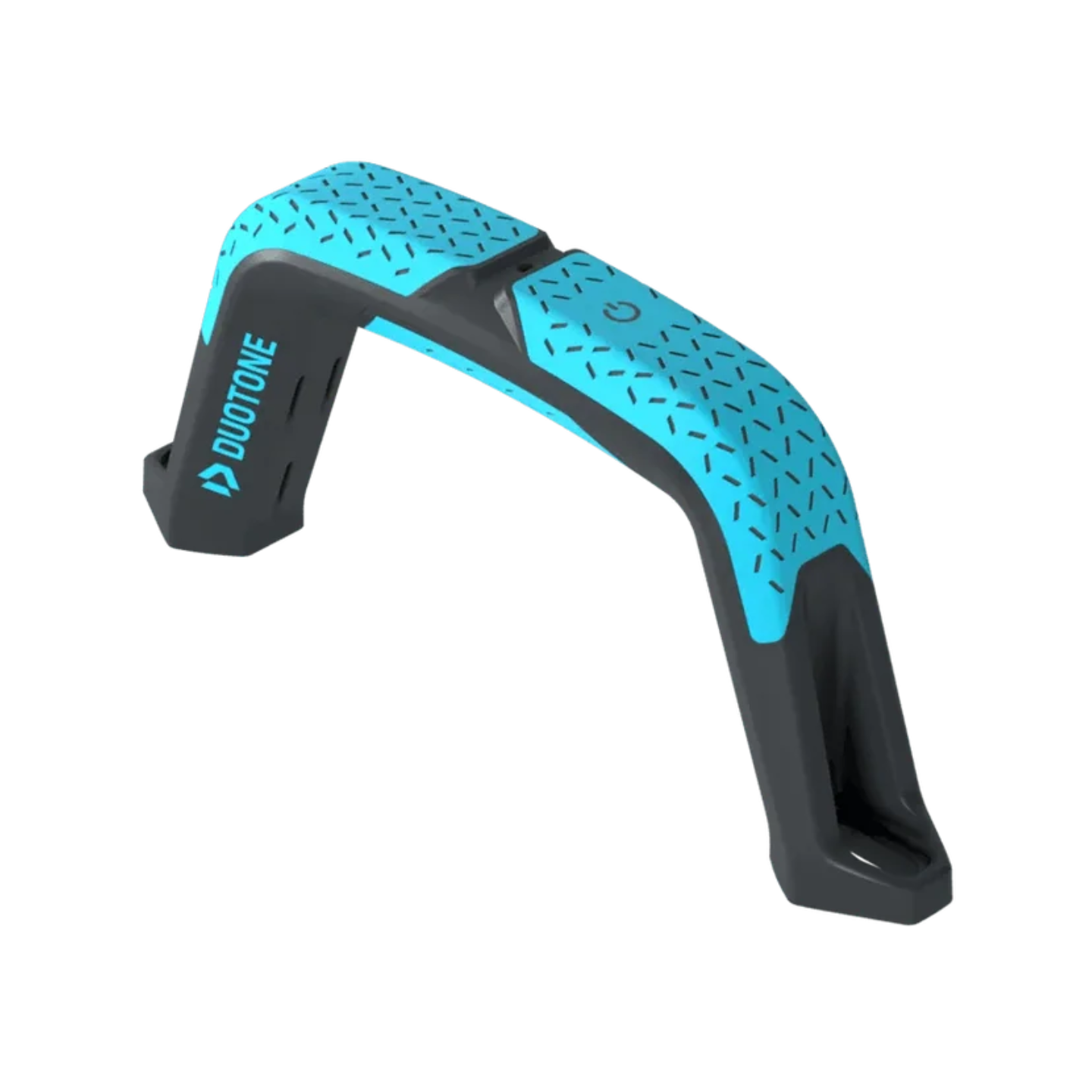
Whilst not absolutely necessary to make life easy starting out, try to match your kite with the correct bar and lines. This ensures:
-
Seamless setup.
-
Reliable safety system.
-
Optimised kite performance.
Using the right bar and lines isn’t just about convenience—it’s about safety. A properly matched system means your kite will respond as intended, and your safety release will work exactly when you need it.
Checkout the whole range of bar and lines here – https://www.kingofwatersports.com/kitesurf/kitesurf-accessories/bar-and-lines
Step 5: Choosing a Kitesurfing Board
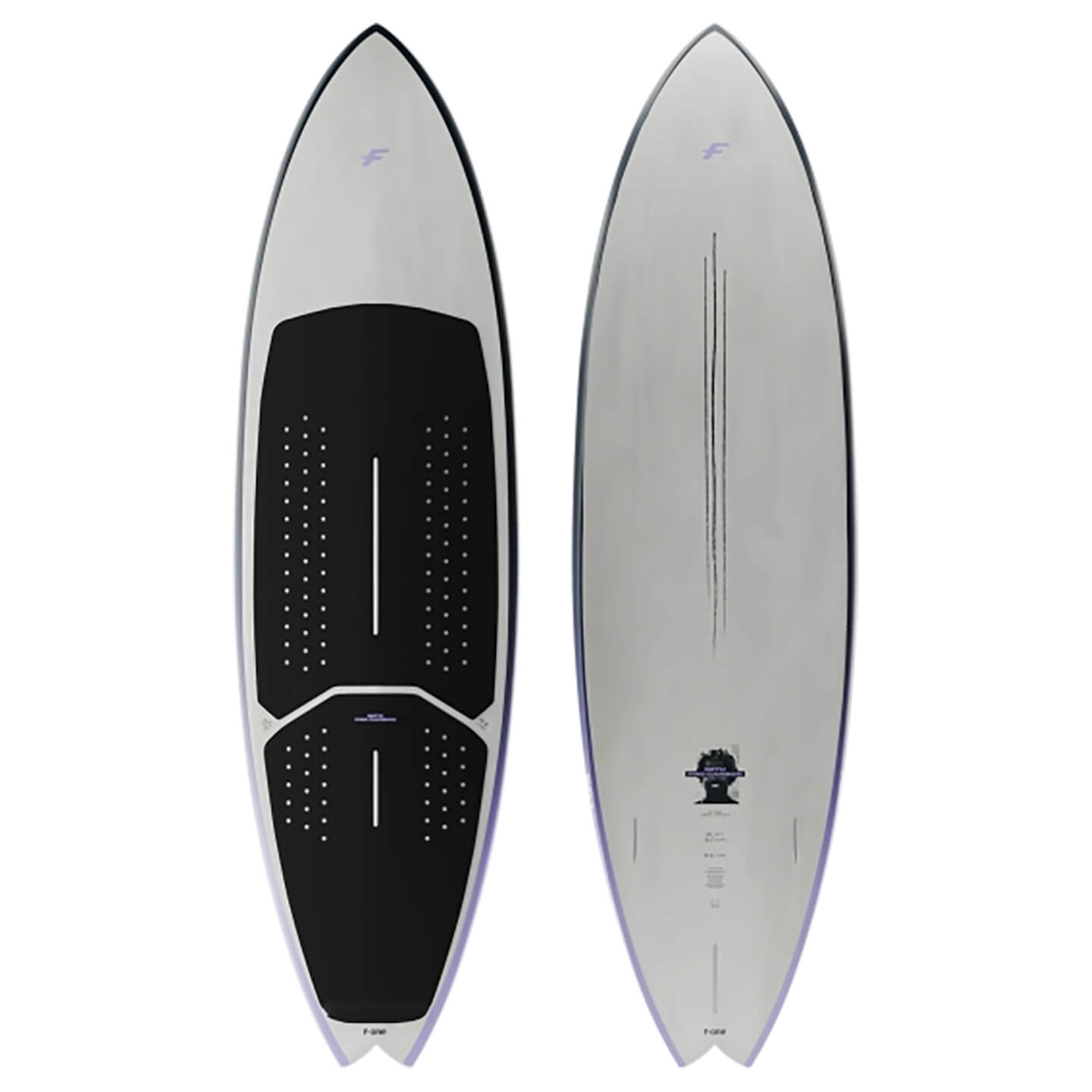
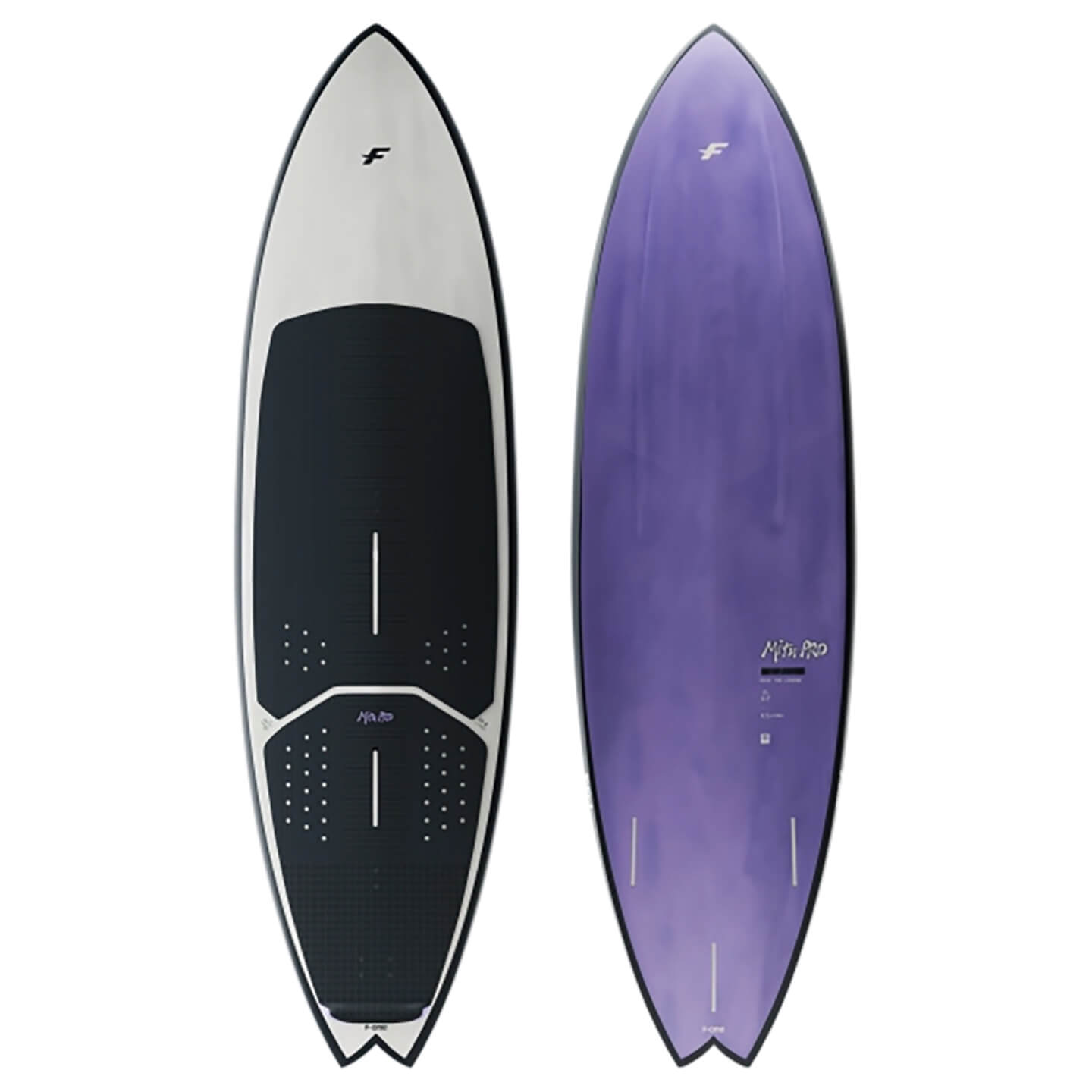
When learning, you’ll usually start on a larger board.
Board tips for beginners:
-
Bigger board → easier in light winds and upwind riding, but less manoeuvrable.
-
Smaller board → more manoeuvrable but needs more power.
-
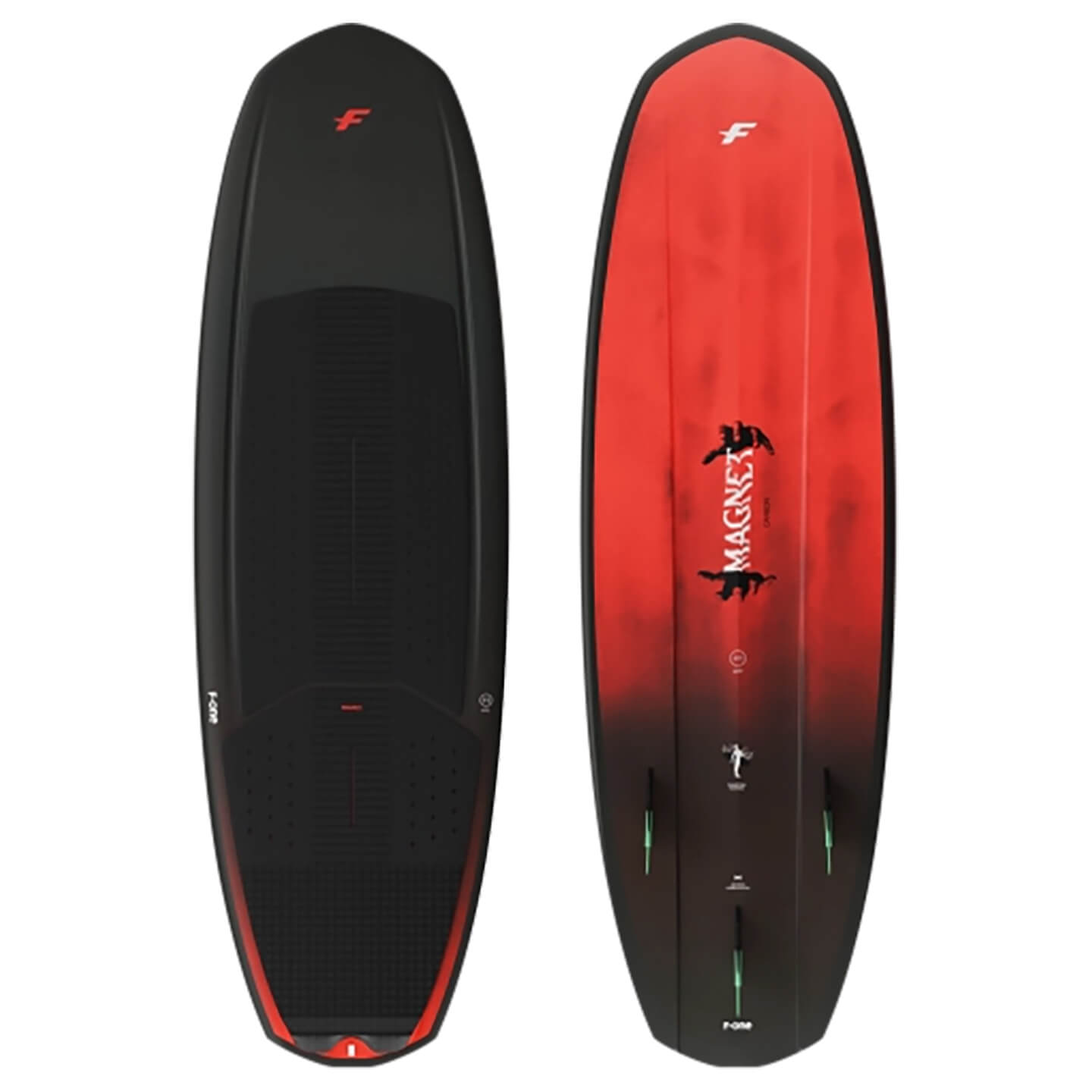
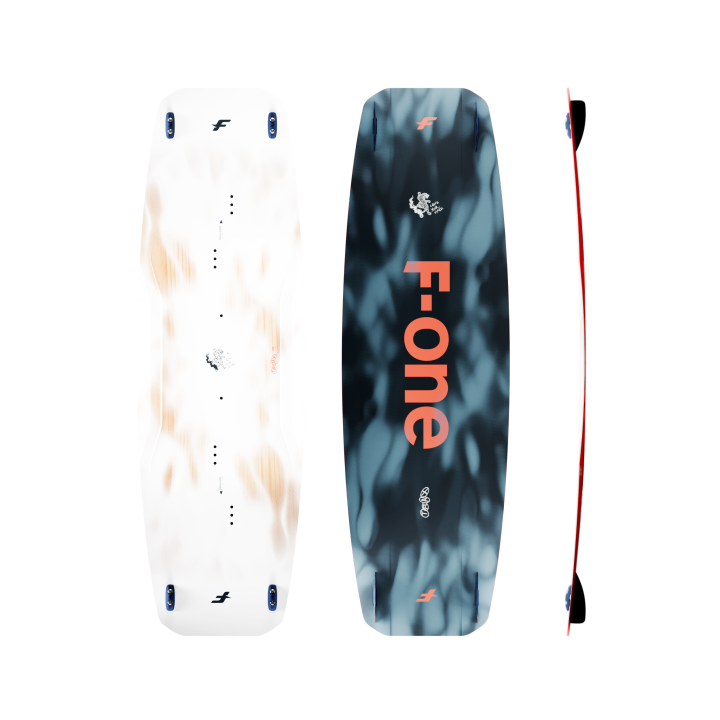
Standard beginner board size: 137–150cm length, 38–45cm width.
Your board plays a huge role in how quickly you progress. Starting with a slightly larger freeride board will help you learn control and balance more easily, before moving to smaller, more agile boards as your skills improve.
Checkout the full range of boards here – https://www.kingofwatersports.com/kitesurf/kitesurf-boards
Step 6: Essential Kitesurfing Accessories
-
Harness – choose a seat or waist harness that fits comfortably.
-
Leash – a shorter kitesurf safety leash is best for beginners; longer ones are for freestyle.
-
Pump – make sure the valve fits your kite brand.
-
Protection – helmet and impact vest/buoyancy aid recommended.
-
Wetsuit, boots & gloves – thickness depends on local water temperature; flexibility helps with comfort.
These accessories may seem secondary, but they’re just as important as your kite and board. The right harness or wetsuit can make the difference between an uncomfortable session and one where you stay out on the water for hours, learning and having fun.
Kitesurfing FAQ
Is kitesurfing easy to learn?
With lessons, most beginners can ride within a few sessions.
How long does it take to learn?
On average, 6–10 hours of lessons are enough to start riding independently.
Is kitesurfing worth learning?
Absolutely! It’s a sport that combines fitness, fun, and freedom on the water.
Do I need to be fit to kitesurf?
A reasonable level of fitness helps, but you don’t need to be an athlete. Being a confident swimmer and comfortable in open water matters more than raw strength — the kite does most of the work once you’re up and riding.
What’s the minimum wind speed to kitesurf?
Most riders look for at least 12–15 knots to get going, though this depends on kite size and rider weight. Very light wind needs a much bigger kite, which is why beginners often start on days with more reliable breeze.
Can I teach myself to kitesurf?
It’s strongly discouraged. Kites generate serious pulling power, and self-taught riders are far more likely to get into trouble with launching, landing, and emergency releases. Lessons are the safe and faster route.
What age can kids start kitesurfing?
Many schools take children from around 10–12, depending on weight, strength, and confidence in water. A qualified instructor will assess this on the day.
Do I need my own gear to start, or can I rent?
Most schools provide gear for lessons, so you don’t need to buy anything upfront. It’s worth renting or borrowing for your first few independent sessions too, before committing to a full setup.
How much does it cost to get into kitesurfing?
Lessons are the first cost, then a beginner kite/bar/board setup on top. Buying secondhand for your very first kit (once you know what suits you) is a common way to keep costs down before investing in new gear.
What’s the difference between kitesurfing and kiteboarding?
They’re generally used interchangeably. Some riders use “kitesurfing” for wave riding on a directional board and “kiteboarding” for flat-water riding on a twin-tip, but in everyday use the terms mean the same sport.
Is kitesurfing safe?
Like any wind sport, it carries real risk if done without training — but with proper lessons, modern safety-release systems, and sensible spot/wind choices, it’s a manageable and well-established sport.
These are the questions every new rider has on their mind, and the answers highlight why kitesurfing has become one of the fastest-growing watersports worldwide. It’s accessible, rewarding, and opens up endless opportunities for adventure.
Final Thoughts
Kitesurfing is a sport for everyone—whether you dream of riding waves, cruising on calm days, or chasing big air. With proper lessons and the right beginner-friendly gear, you’ll progress quickly and safely. Once you start, you’ll never look at a windy day the same way again!