21 Apr 2022
Understanding Wing Foil Wings and Their Performance
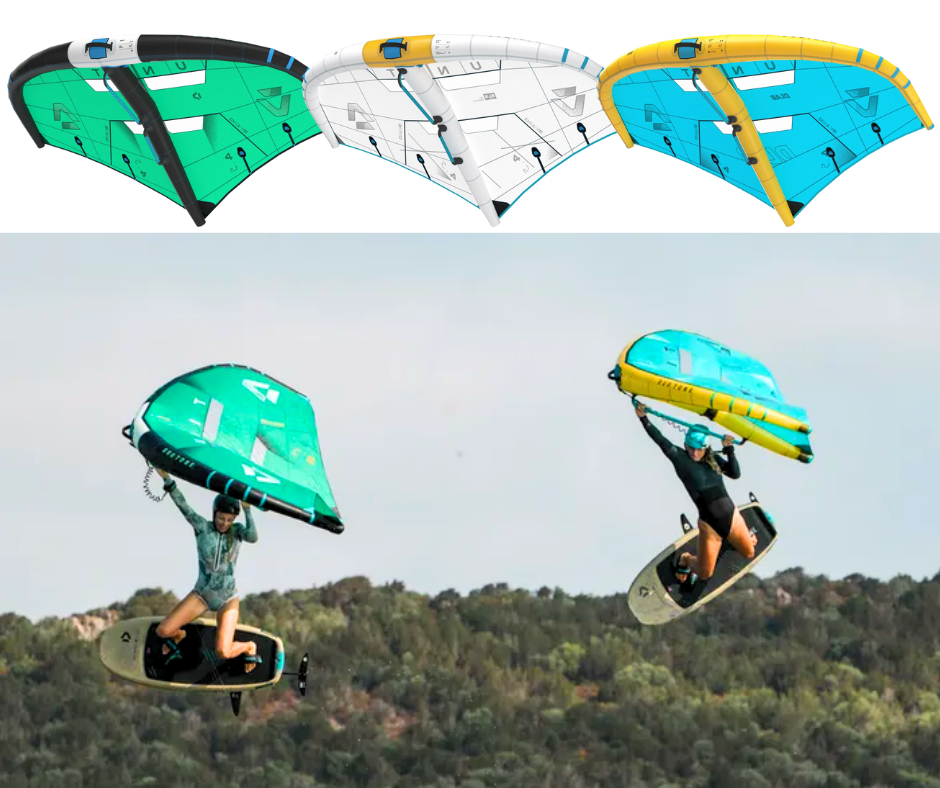
Why Different Wing Foil Wings Matter
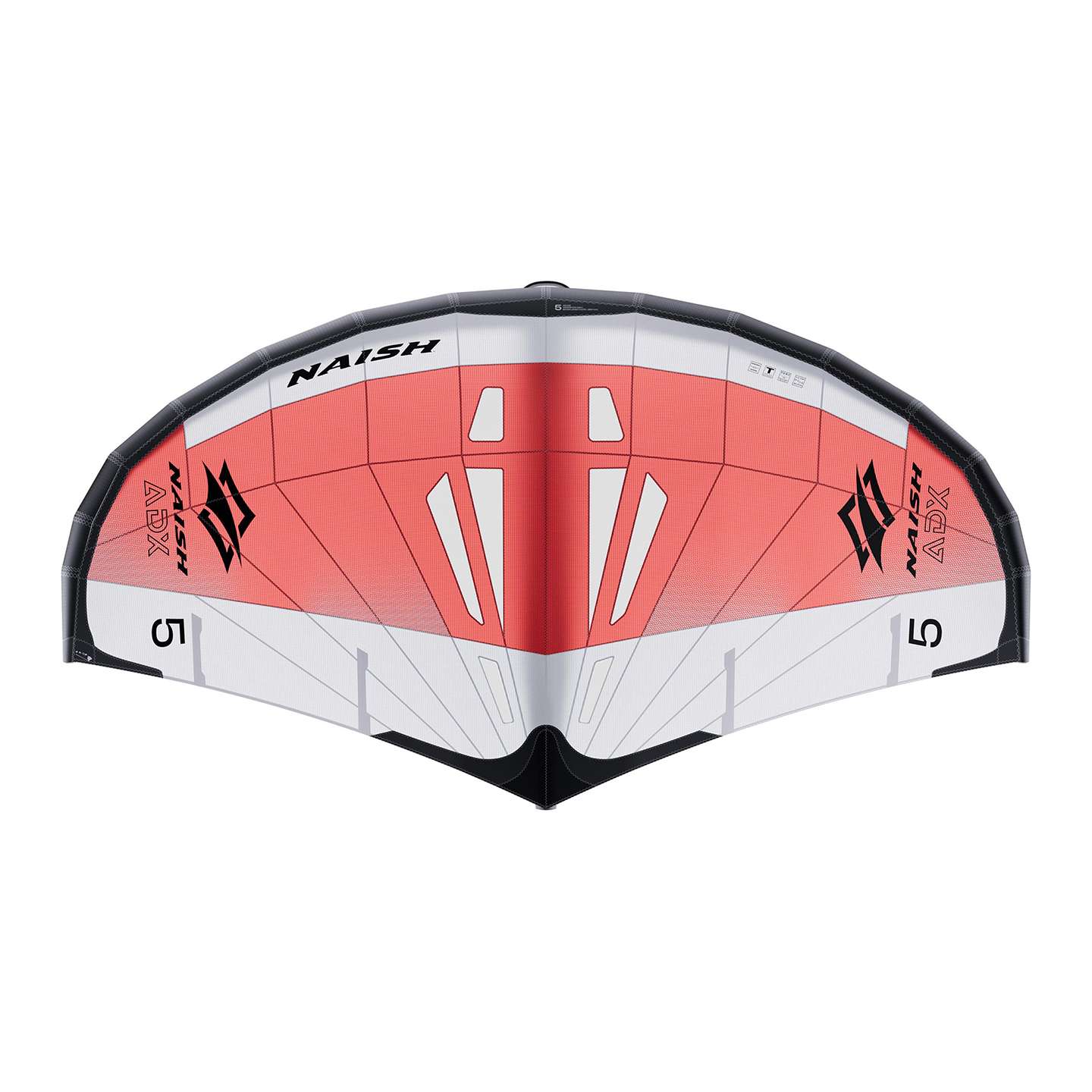
Wing foil wings come in a variety of shapes and sizes, each designed to deliver a unique ride experience. Brands often offer multiple wings in their lineup, and it can be confusing to know which one suits your style and conditions. The differences are not just cosmetic—they influence stability, lift, handling and will have better performance in certain areas.
For new riders, the focus should be on understanding how a wing generates power and responds to your movements rather than buying the most expensive model. You can learn almost everything on any style of wing and its only when you know you want to focus on once style of winging that you may need to consider specific wing for that style.
Beginner Wings: Easy to Handle and Stable
The best beginner wings are light, easy to manoeuvre, and stable. Most modern wings are designed to feel manageable once the wind fills them; rather than lifting, your job is often to keep them steady.
Lower aspect wings—those that are a little rounder or squarer from tip to tip—are ideal for newcomers. They generate smooth, predictable power and offer forgiving handling. These wings are perfect for:
-
Learning basic wingfoil control
-
Practicing gybes and small freestyle moves
-
Riding comfortably in varying wind conditions, including flagging out on a wave or swell.
Examples include the Airush Free Wing Go, F-One Origin, Duotone Unit and Ozone Fly V1. While they may never be the fastest wings, their stability and ease of use make them invaluable early on.

High-Performance Wings for Speed and Agility
If your goal is to point higher upwind, accelerate faster, or jump higher – performance-oriented wings can help you get there. These wings often have higher aspect ratios and are designed to maximize efficiency, speed, and lift.
Pairing a high-performance wing with a lightweight board and fast foil enhances overall wingfoil performance, letting you ride more aggressively and explore advanced maneuvers. Because wingfoiling is still an evolving sport, there’s no single “best” wing—it depends on your riding style and local conditions.
These wings will usually incorporate some higher end materials, such as Aluula, N-Weave45 or PentaTX which help increase stiffness and reduce weight.
All-Round Wings for Everyday Riding
For most casual riders, a versatile wing is ideal. These wings perform well in a variety of disciplines—freeride, waves, downwinding, and entry-level freestyle.
Factors to consider when choosing an all-round wing include:
-
Handle type: soft vs. hard handles or a boom – Most wings will have options for the rider to choose their preference.
-
Canopy material and tension: Canopy material and layouts are shaped to give more power by being deeper, more speed and upwind performance by being flatter or stability by being well balanced.
-
Aspect ratio and curvature: Faster wings tend to be flatter and higher aspect where as a slower wing may have better light wind performance in a low aspect shape.
-
Wingtip stiffness: The fine line of control and performance come from the wing tips as they help control the canopy trailing edge. See more below.
These wings tend to be the most popular and will be every brands best selling wing and as such will often come in multiple constructions. They will be pitched as the free ride which is suitable for everyone and then the higher end construction will be the performance freeride which is aimed at those looking to go faster and jumper higher with a lighter weight/stiffer wing.
The goal is a wing that feels comfortable in all conditions while helping you refine your skills.

Light Wind Wings
If you ride in areas with consistently light winds (around 15 knots or less), larger, low aspect wings (6–8 m) are essential. These wings provide enough lift to get going efficiently and keep the foil flying smoothly without requiring extreme skill. Low aspect shapes prevent the wing tips from catching water and make pumping easier.
Racing and Speed Wings
For high-speed riding, stability is key. Wings designed for racing or strong winds focus on:
-
Maximum control at high speeds
-
Minimizing flex to maintain consistent power
-
Using advanced materials for lighter, stiffer performance
- Dual canopy wings help with wind turbulence around the leading edge
These wings allow you to go closer to the wind, accelerate faster, and maintain stability in gusts—critical for racing or open-water speed runs.
Wave/Swell Orientated Wings
If you want to focus on riding downwind swell and waves then wings focused in the this area tend to be the most stable when flagged out allowing you to pay less attention to the wing and focus on the wave. The other key attribute is their power, often built to have lots of lift and at the lower end of the wind range to allow you to ride a smaller wing.
Wing Materials: Lighter, Stiffer, Stronger
Modern advanced wings use advanced materials like Aluula, Ho’okipa, and N-Weave45 to replace traditional Dacron frames. These composites:
-
Reduce weight, making the wing easier to handle in light wind and for jumps and speed
-
Increase stiffness, keeping wingtips from flexing under load giving a more stable wing especially when fully powered
-
Improve durability and maintain canopy tension longer
A stiffer frame improves lift efficiency, reduces power loss in gusts, and helps you get more speed, higher jumps while keeping control.

How Wing Materials Affect Your Ride
- Upwind performance: Stiffer tips let the wing point closer to the wind
- Power retention: Less canopy flex means less lost energy in gusts
- Stability: The more stable a wing the hard you can push allowing for more speed
- Jumping: Maintains shape for more float and height
- Light wind control: Lighter wings are easier to manage and flag out on waves or downwind runs
Conclusion
Choosing the right wing foil wings is essential for a better wingfoil experience. Beginners benefit from lower aspect, stable wings, while high-performance wings open up speed, agility, and jumping potential. All-round wings provide versatility, and modern materials enhance performance, control, and durability. Understanding the differences allows you to match your wing to your skills, conditions, and riding goals—ensuring more fun and progression on the water.