Foiling in 2026: Midlength Boards, Parawings, Foil Assist and Forgiving Performance

Foiling continues to evolve faster than any other area of watersports, and as we head into 2026 the direction is becoming clearer. Rather than chasing extreme performance alone, brands and riders are focusing on efficiency, accessibility, and progression across a wider range of conditions. From wingfoiling and parawings to foil assist and downwind paddling, foiling in 2026 is shaping up to be more refined, more specialised, and ultimately more rewarding.
Wingfoiling in 2026: The Rise of the Midlength Board
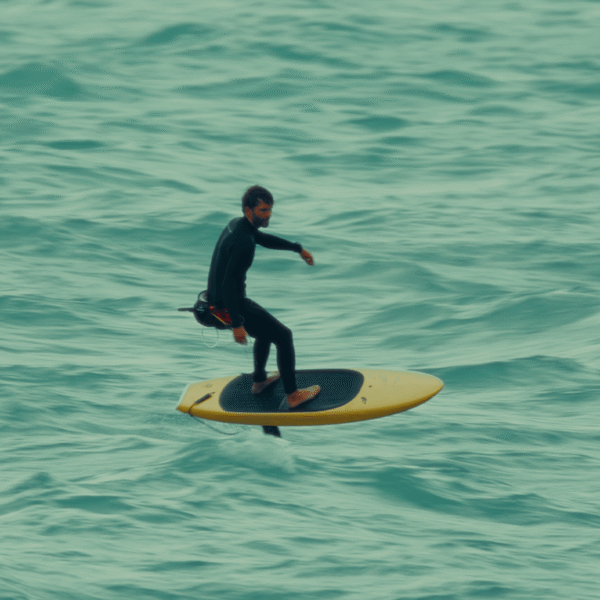
Wingfoiling has matured rapidly, and with that maturity has come a shift in board design. One of the clearest trends heading into 2026 is the move toward midlength boards as a genuine one-board quiver solution.
Early wingfoiling boards focused heavily on short, wide boards designed for stability at low speeds. While effective and still the most suitable option for people getting into the sport they often come with compromises in glide, release, and overall efficiency. Midlength boards address this by stretching the outline, reducing width, and improving waterline length. The result is earlier take-off, better glide through lulls, and a smoother feel once flying.
The trade-off is reduced stability when not foiling, which is why midlength boards make most sense once a rider can sustain flight and complete turns consistently. For many riders progressing beyond their first seasons, a midlength board now offers the balance that once required multiple boards.
In 2026, this category is likely to become even more defined, with clearer sizing, better volume distribution, and designs that cater to a wider range of rider weights and conditions. Rather than replacing short boards entirely, midlengths are carving out their place as the most versatile option for everyday wingfoiling. They fit the one-board quiver that many people want, or need and with more brands now offering hollow construction, overall weight can be reduced significantly.
Parawings: Second Generation and a Clearer Purpose
Parawings moved from curiosity to serious talking point over the last year, and 2026 looks set to be the point where second-generation designs really establish themselves.
The first wave proved the concept: ultra-compact, light, and efficient tools that allow riders to access foiling in marginal or unconventional conditions onshore conditions, in particular, have never been so much fun. At the same time, they highlighted clear areas for improvement, including handling, stability, relaunch behaviour, and control at speed. Models like the F-One Frigate and Ozone Pocket Rocket have led the way so far in terms of stability and performance.
Second-generation parawings are expected to focus less on novelty and more on usability. Improved canopy tension, refined bridle layouts, and better depower control should make them more predictable, easier to fly in lighter winds, and more controlled when fully powered giving them a broader and more usable wind range.
Bridle design and line length remain key to performance, influencing both upwind angle and downwind stashability, and as with most things, there are compromises. The Ozone Power Pack, for example, focuses heavily on stashability. It goes upwind well, but not quite as high as the Pocket Rocket.
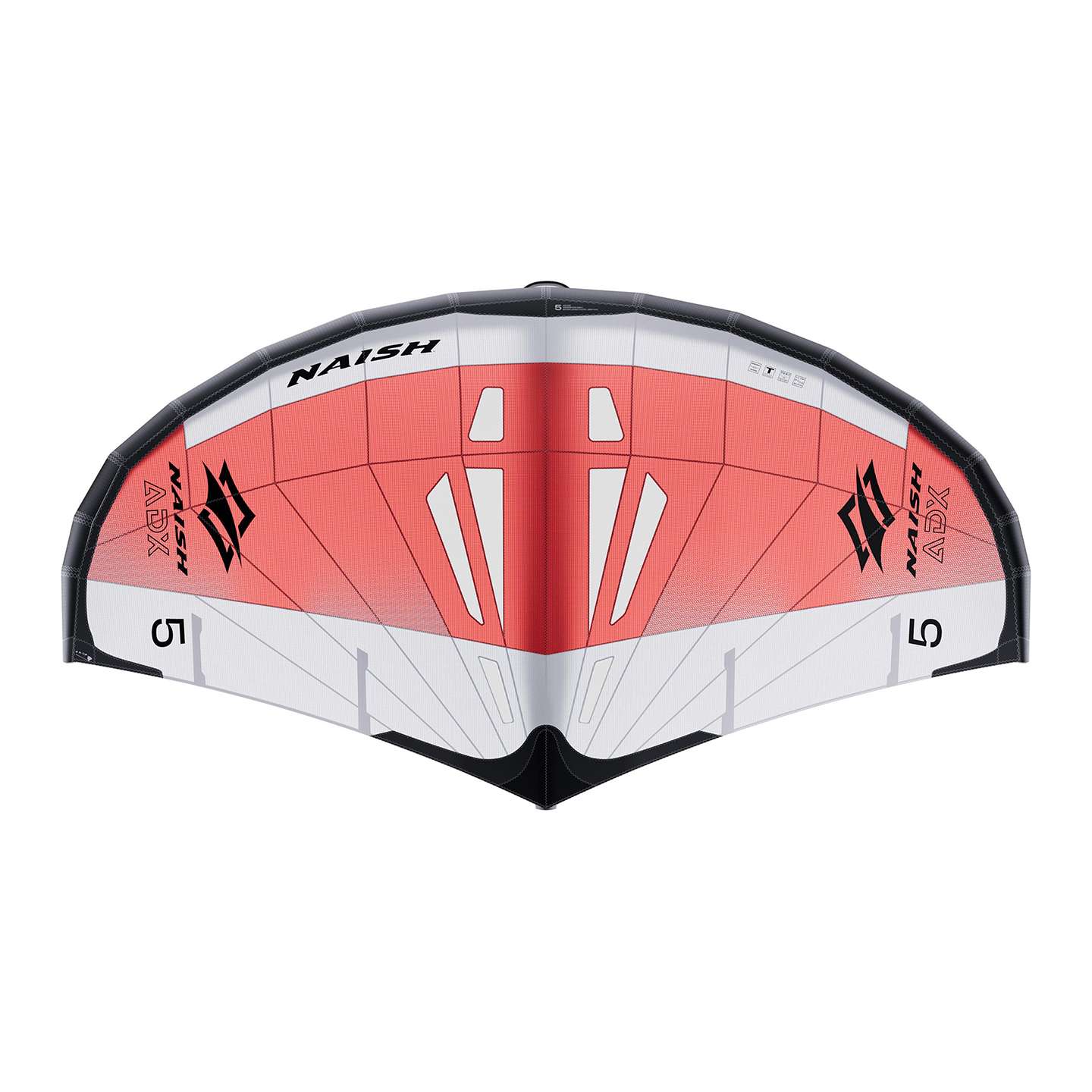
Rather than replacing wings or kites, parawings are finding their role as a specialist tool — ideal for certain conditions, locations, and riding styles. From personal experience, there are days that clearly suit parawings and days that suit wingfoiling better. Rolling downwind swell points strongly toward parawings, while flatter water favours a wing.
Waves remain more condition-dependent. In onshore conditions, parawings excel, allowing long upwind runs and linking rolling swell. In clean cross or cross-off conditions, wingfoiling still feels hard to beat jumping on the way out, then flagging the wing and carving a clean face on the way in.
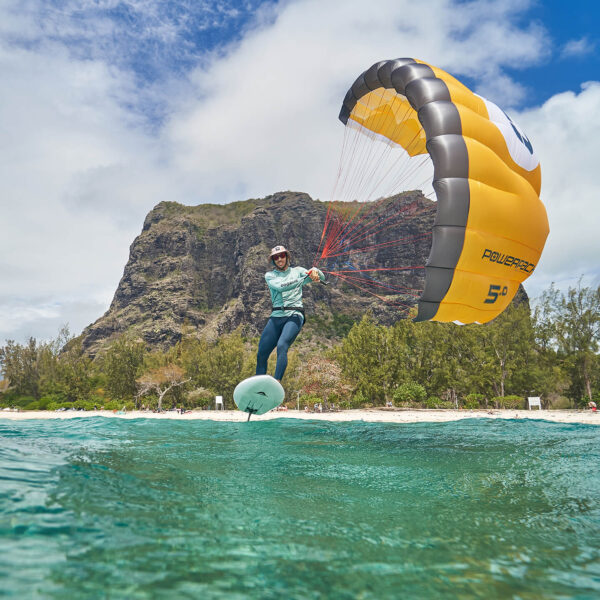
Parawing specific boards: Its another midlength essentially so I’m not sure its parawing specific but maybe boards designed with parawinging in mind. What they will look like is going to change but have a look at the F-One Rocket Free Surf and you will get the idea. This may be a surf board by name but in reality its more about getting that surf feel whilst riding ocean swells. They are going to be long, slim and lightweight. Almost a small downwind board and expect to see more coming this year from all the brands. The main difference between these and a midlength will be construction and width. Designed to get going as early as possible allowing you to take a smaller parawing their width will be narrow and length slightly longer. The construction will also be lighter with less foot strap options and some models will not be suitable for jumping as weight saving is key.
Foil Assist: From Concept to Category
Foil assist has steadily moved from the fringes toward the mainstream, and 2026 feels like a tipping point. With Duotone entering the foil assist market, the category has gained another strong signal of long-term commitment from the industry.
Foil assist is no longer just about pushing limits or bypassing conditions. It’s increasingly viewed as a way to extend sessions, access new locations, and reduce barriers to entry for disciplines like prone foiling. Travel-friendly battery capacities, cleaner integration, and more intuitive controls are helping systems feel less intrusive and more like a natural extension of the setup.
As more riders experience foil assist first-hand, the conversation is shifting away from whether it belongs and toward how it’s best used. In 2026, foil assist looks set to become a normal part of the foiling landscape rather than a controversial outlier.
Prone foiling is a prime example. Surfing and prone foiling are difficult to learn, especially if you’re not based somewhere with consistent waves. For riders who already foil behind a kite, wing, or parawing, transitioning to foil assist can take just a few sessions.
This is also where controversy can arise. A foil assist allows riders to reach waves that others on traditional boards simply can’t, which can cause friction in busy line-ups. Turning up inexperienced with a motor, foil, and propeller in a crowded surf break is rarely well received.
The real strength of foil assist lies in accessing waves that others aren’t riding. With a little effort to find empty sections, it opens up unbroken, uncrowded rides. On my first session with the Duotone Foil Assist, one side of Bournemouth Pier was busy with surfers and prone foilers, while the other side was closing out and empty. That empty side delivered long, unbroken swell rides from out the back, with no one else to worry about.
Downwind Paddling: Niche, Demanding, and Incredibly Rewarding
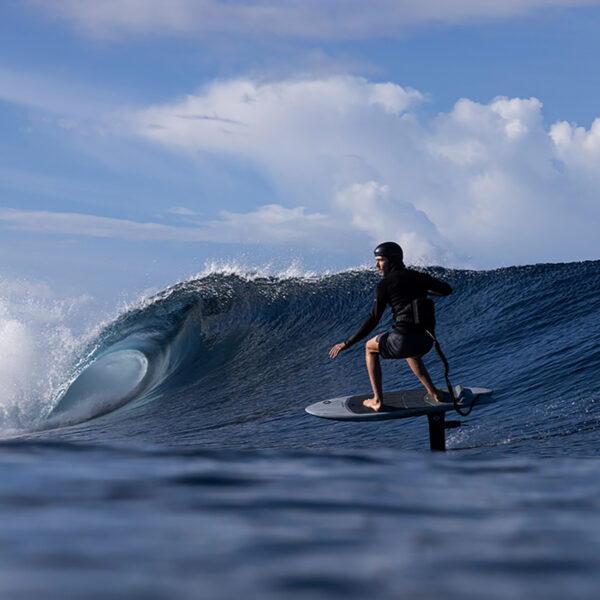
Downwind paddling remains a niche discipline, but it may also be one of the most rewarding ways to develop true foiling skill. While it demands fitness, patience, and the right conditions, the benefits transfer directly into every other foiling discipline.
Paddling into bumps forces riders to understand foil lift, glide, and pump efficiency at a deeper level. There’s no wing or kite to mask poor timing or technique, making progression slower but far more meaningful.
Downwind foiling is unlikely to become significantly more popular in 2026, but it will continue to influence design across the board. Boards, foils, and even wing setups are increasingly borrowing ideas from downwind-specific equipment, particularly when it comes to glide efficiency and sustained flight.
Foils in 2026: Performance with Forgiveness
Perhaps the most important shift heading into 2026 is happening below the surface. Foils are becoming more user-friendly without losing performance a balance that was difficult to achieve in earlier generations.
Design priorities are moving toward foils that:
-
Glide efficiently through lulls
-
Maintain lift at lower speeds
-
Turn smoothly without stalling
-
Provide feedback rather than punishment
-
Recover more easily from mistakes and breaches
Rather than chasing maximum speed or extreme aspect ratios, many brands are refining foil profiles, spans, and section shapes to create setups that feel predictable and confidence-inspiring. The aim is performance you can actually use, not just measure.
For all-round foiling, most riders want speed, glide, turnability, and forgiveness. Size will vary depending on discipline, conditions, rider weight, and ability, but one number that appears to be settling is aspect ratio. Many of today’s most popular all-round foils sit around an aspect ratio of 9.
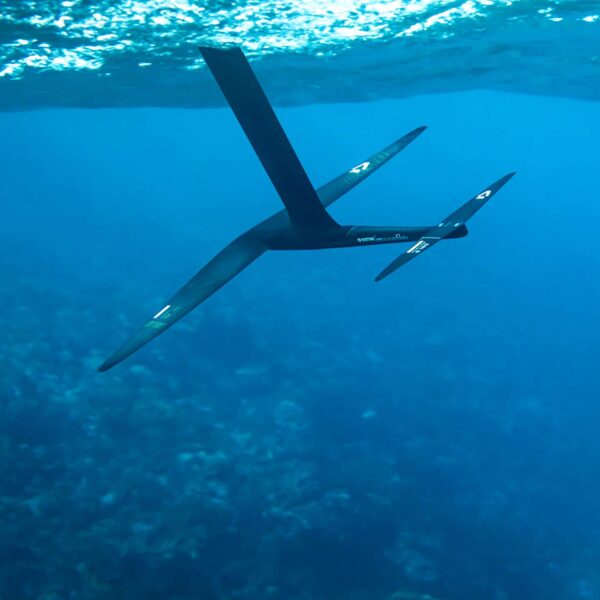
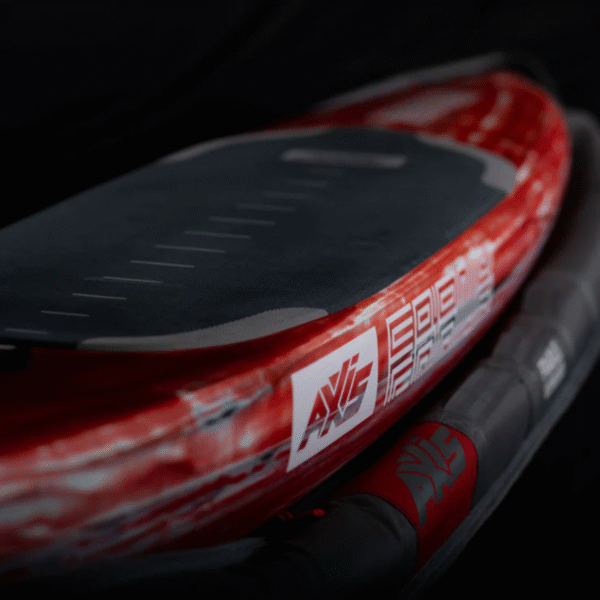
Examples include foils like the Axis Surge 9.5, Duotone Crest 9, and F-One Eagle 9.5. While outlines may differ slightly, many share a similar “moustache” shape. The differences lie in foil sections and profiles, which affect early lift, top-end speed, and forgiveness. These foils aren’t the fastest or most glide-focused designs available, but they do a bit of everything well — which is exactly what most intermediate to advanced riders need.
In very loose terms aspect ratios of 10 and above promote glide and pump efficiency and going for 8 and under you get a tighter turn and more pitch stability. These numbers can help you decide on your next foil and narrow down the choice depending and what characteristics you want most.
A few years ago, a 9 aspect ratio foil would have been considered high aspect. Today, those definitions have blurred. One brand’s high aspect is another brand’s mid aspect, and the terminology has largely lost its meaning. Ultra high aspect foils — such as the Axis Tempo 16, F-One Momentum 16.5, or Duotone Hyperglide 14 remain specialist tools. They offer huge glide and speed, particularly for downwind foiling, but with far less forgiveness and a much narrower use case.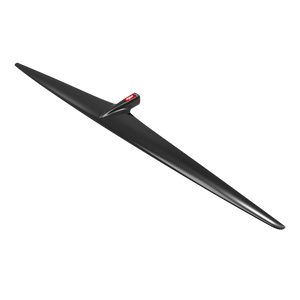
Looking Ahead
Foiling in 2026 isn’t about one breakthrough product or discipline dominating the rest. It’s about refinement, crossover, and better alignment between rider needs and equipment design.
Wingfoiling is becoming more efficient and versatile. Parawings are maturing into genuinely usable tools. Foil assist is finding its place. Downwind paddling continues to shape how riders and designers think about glide. And foils themselves are becoming more intuitive, accessible, and rewarding.
The direction is clear: more time on the water, fewer compromises, and better progression for riders at every level.