8 Jan 2026
Kitesurfing in 2026: New Materials, Bigger Air and the Rise of the All-Round Rider

More New Materials
When Aluula first entered the market, it fundamentally changed how brands thought about kite construction. Its combination of low weight and high rigidity unlocked performance gains that simply weren’t possible with traditional materials. Since then, almost every major brand has experimented with it in some form.
Aluula isn’t cheap — at roughly $30 USD per square metre — and in the early days, brands were learning how to use it through expensive trial and error. Thousands were spent on prototype kites and wings before designers really understood how to extract performance without compromising feel or durability. As a result, some brands doubled down, others pulled back, and many began searching for alternatives that could offer similar benefits.
That search has continued quietly in the background, and toward the end of 2025 we began to see the results. Several new materials and constructions are now set to appear in production kites during 2026.

Charles Brodels 37.2m Kitefoil Jump
One of the most talked-about moments came when kite foiler Charles Brodel recorded a 37.2m kitefoil jump on a new F‑One prototype using their new QUAD X material. The jump was significant not just because it broke a long-standing height record, but because it demonstrated the untapped potential of kite foiling at the very highest level of performance.
It was also notable because, despite F-One manufacturing many of their kites at the highly publicised Brainchild factory — which dominated competition highlights throughout 2025 — this particular kite had nothing to do with that production line. Instead, it underlined how brands are now developing multiple material strategies in parallel.
North Orbit ULTRA 2026
At the same time, North returned to the podium at the Red Bull King of the Air in 2025, with Cohan van Dijk taking third place and Nathalie Lambrecht claiming the Queen of the Air title. Both riders were flying the unreleased 2026 Orbit Ultra, marking a clear move away from Aluula in favour of North’s own NU80 material — a sign that brands are increasingly confident in their in-house developments.
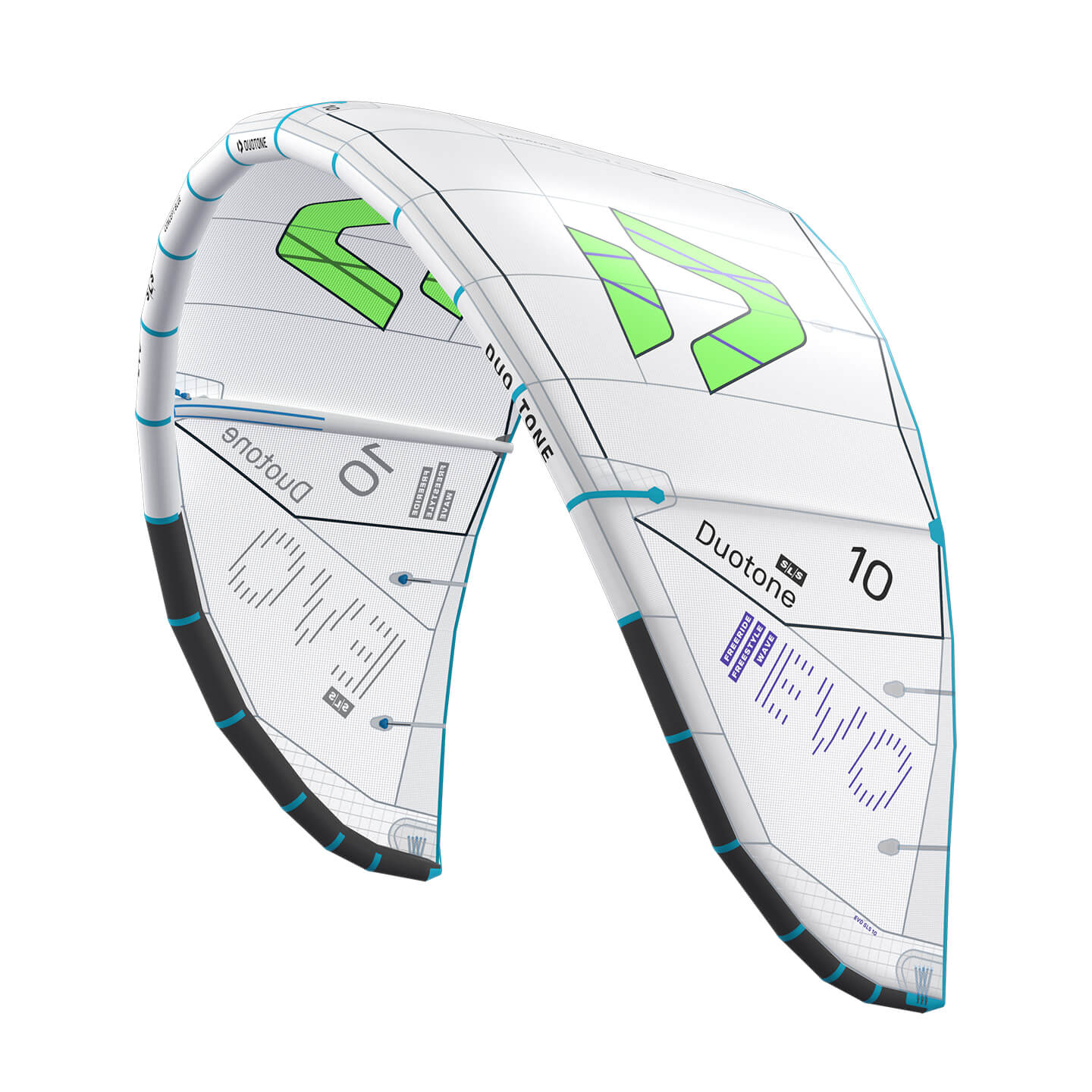
Duotone Aluula D/TX
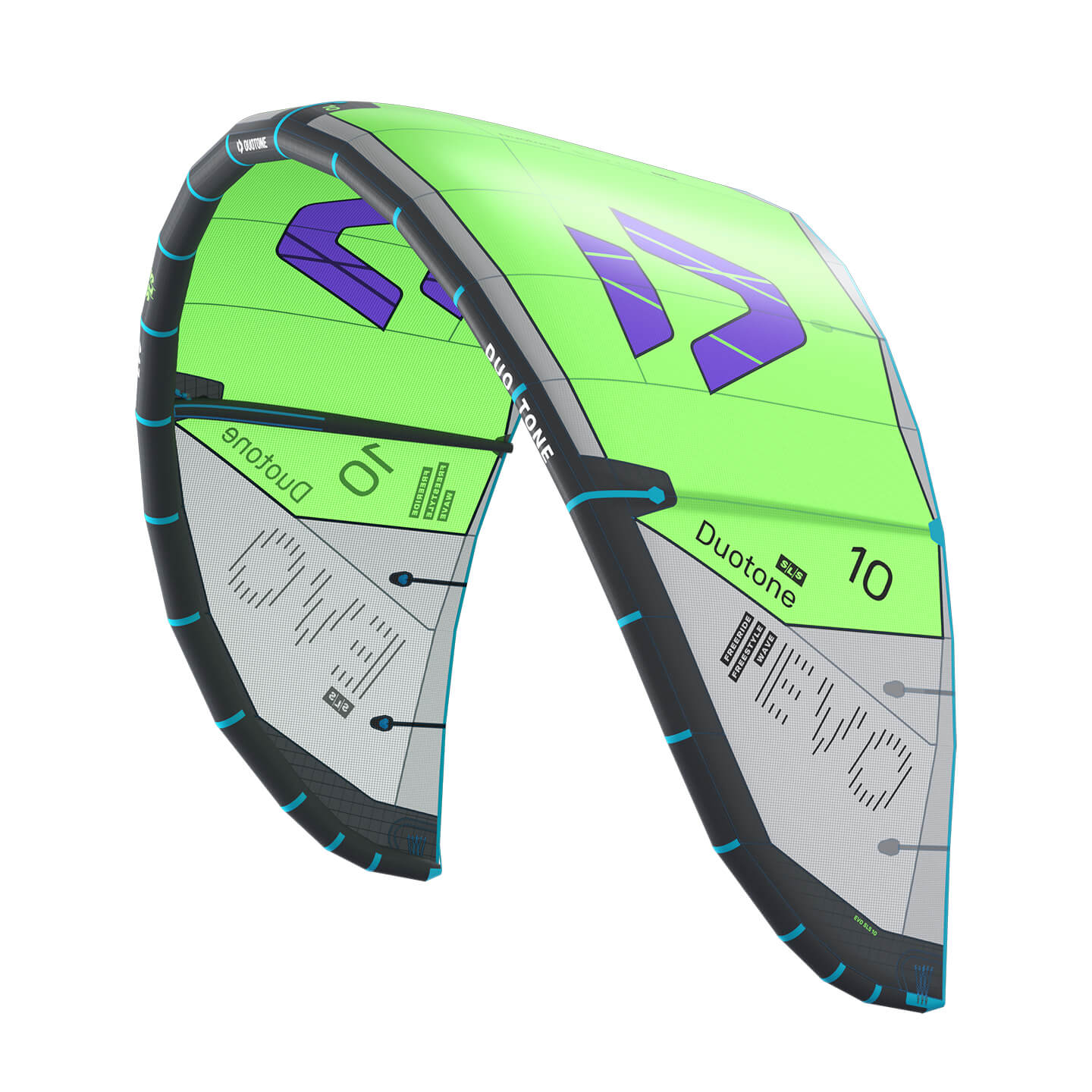
Duotone have taken the opposite approach, doubling down on Aluula by working directly with Aluula Composites to create Aluula D/TX. This next-generation material is lighter than previous iterations while offering improved torsional response, allowing the kite to hold its shape under load while still turning quickly — a key ingredient for higher lift and later, more powerful loops. While it didn’t feature in competition during 2025, it is now available in production models such as the Rebel and Juice D/lab. Check out the Duotone range here
Some of these materials are likely to filter into wings during 2026, while other brands will introduce hybrid constructions and yet-to-be-seen laminates. Where 2025 became a head-to-head between Aluula and Brainchild, 2026 looks set to widen the field — with multiple materials competing at the very top. For brands not operating at this premium end, the focus will instead be on extracting more performance from existing fabrics through smarter panel layouts and refined construction.
2026 The Year of the all round waterman/woman
For several years now, big air has dominated competitive kitesurfing, pulling attention away from freestyle, waves, and strapless disciplines. But a new generation of riders is emerging athletes who aren’t defined by a single format.
Lorenzo Casati arguably has the busiest competition calendar of any elite rider, competing across big air, foil big air, and strapless events. Behind him, riders like Hugo Wigglesworth and Finn Flügel are lining up as the next major names in the sport. Finn claimed the 2025 Freestyle World Title, while Hugo took the Hydrofoil Big Air title, and both have their sights firmly set on the big air scene for 2026.
What sets this generation apart is how they train. Rather than waiting for perfect big air conditions, riders are spending more time on the water through foiling, winging, parawing, downwinding, and surf foiling. This constant connection with wind and water builds confidence, improves timing, and sharpens overall board skills. Even established stars like Francesca Maini, who claimed the 2024 Queen of the Air title, have leaned heavily into cross-discipline riding, using winging, downwinding, and prone foiling to maintain progression through a challenging 2025 season.
Big air kitesurfing will undoubtedly continue to lead kitesurfing in 2026, but the routes riders are taking to reach that level are changing. Foils and particularly foil kites, are becoming increasingly important training tools. After Charles Brodel’s breakthrough appearance at King of the Air in 2024, riders such as Jamie Overbeek, Luca Ceruti, and brands like Flysurfer have continued to push foil kites further into the spotlight.
The extra lift and hangtime provided by foil kites allow riders to practise complex rotations and board-off moves in more manageable conditions, accelerating progression before transferring those skills into extreme big-air environments.
That progression has already produced results. The long-discussed race to 40 metres had edged forward only in small steps on twin tips, but in early December a windy day in Cape Town saw Hugo Wigglesworth hit 40 metres on a foil, a milestone moment that could reshape what’s possible.
As 2026 approaches, the question isn’t whether big air will remain dominant — it will. The question is whether we’ll see more riders competing across disciplines, more crossover between equipment categories, and a broader definition of what it means to be a top-level kitesurfer.