30 Dec 2025
Best Winter Kitesurfing Destinations & Essential Travel Gear Guide
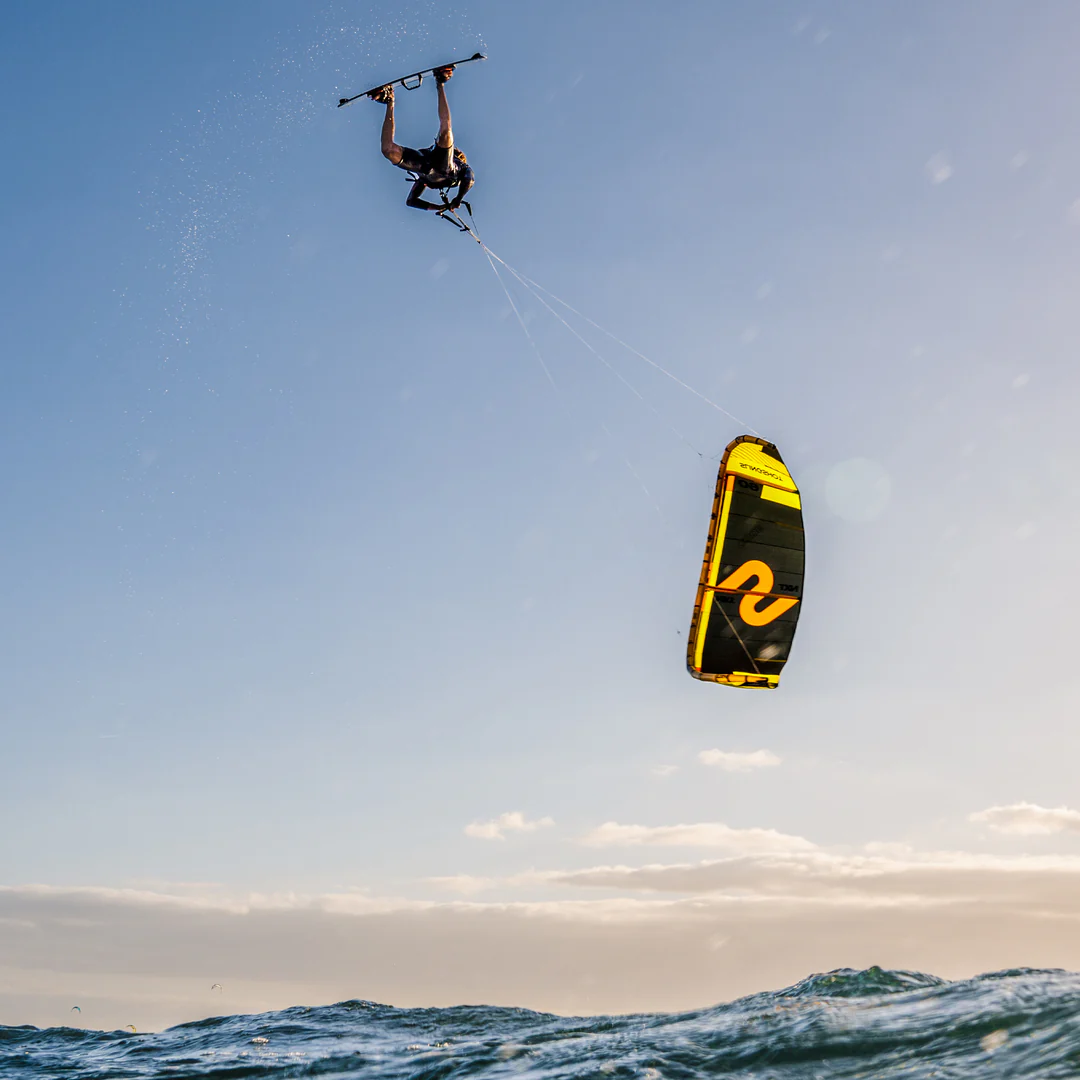
The Northern Hemisphere Winter is inspiration enough to get a warm and windy trip booked. January to the end of March in the UK is hard graft for any kitesurfer. The water is at its coldest and the wind often drops the air temperature to under 5°C meaning conditions have to be good to warrant getting afloat. A Winter storm packs a punch for the hardest of riders but sessions have to be earnt and the storms can bring more unstable conditions.
Luckily we are a days travel away from warmer climates that can break the Winter months up. A well deserved break can make the Winter feel shorter and its a great way to keep the winter skill fade from appearing. Some stand out locations include:
The Red Sea, Egypt – Flat Water & Reliability
The Red Sea is a winter favourite thanks to its warm temperatures and dependable wind. Locations such as El Gouna, Soma Bay and Safaga offer flat-water lagoons that are perfect for progression and confidence building.
Air temperatures typically sit around 20°C, with wind speeds averaging 16–25 knots throughout the winter months. With a wide range of hotels, kite centres, and the option of kite safaris, the Red Sea suits both first-time travellers and seasoned riders.
The Canary Islands – Short Flights, Varied Conditions
Only a four-hour flight from the UK, the Canary Islands are one of the most accessible winter kitesurf destinations in Europe.
-
Fuerteventura (Flag Beach, Sotavento) – flat water and bump-and-jump
-
Lanzarote (Famara) – waves and freeride
-
Gran Canaria (Pozo) – strong wind and wave riding
-
Tenerife (El Médano) – consistent wind with varied conditions
Air and water temperatures remain in the high teens, and while winter wind is less consistent than summer, around 50% of days exceed 15 knots, often with wave potential.
Dakhla, Morocco – Wind Playground
Dakhla is a must-visit for any committed kitesurfer. Winter wind ranges from 15 to 30 knots, and the vast flat-water lagoon allows riders to make the most of whatever conditions arrive.
From foiling and freestyle to Big Air, speed runs and downwinders, Dakhla offers incredible variety. There are also wave spots nearby, making it one of the most versatile winter training destinations available.
Brazil – Near-Guaranteed Wind
Brazil’s north-east coastline is legendary for winter kitesurfing. Warm water, steady trade winds and endless spots attract riders from all over the world.
Wind isn’t guaranteed anywhere, but Brazil comes close, with 20–30 knot days common throughout winter. Locations such as Guajiru, Taíba, Cumbuco and Jericoacoara have featured in winter kitesurf films for decades, offering glass-flat lagoons, forgiving conditions and small playful waves.
South Africa – Maximum Variety
South Africa delivers far more than just Cape Town’s Bloubergstrand, home of King of the Air. While Blouberg offers powerful wind and waves, nearby spots such as Langebaan, Misty Cliffs and Hermanus provide flat water, waves, and everything in between.
All locations are drivable from Kite Beach, making South Africa one of the most varied and rewarding winter kitesurf trips you can take.
Check Out Jordan In Cape Town here
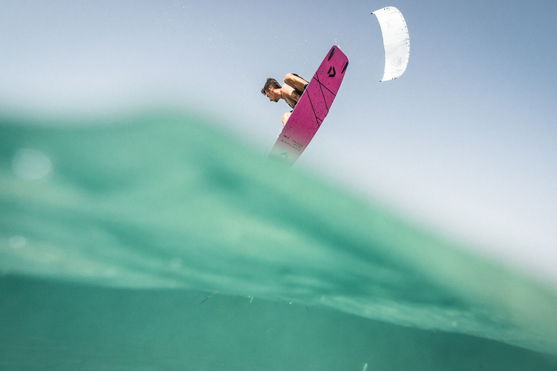
Kitesurf Travel Essentials
Every trip raises the same question: Do I have the right kit for the conditions? While adding another kite or board is always tempting, there are a few travel essentials we see riders buying time and time again in the days leading up to a trip.
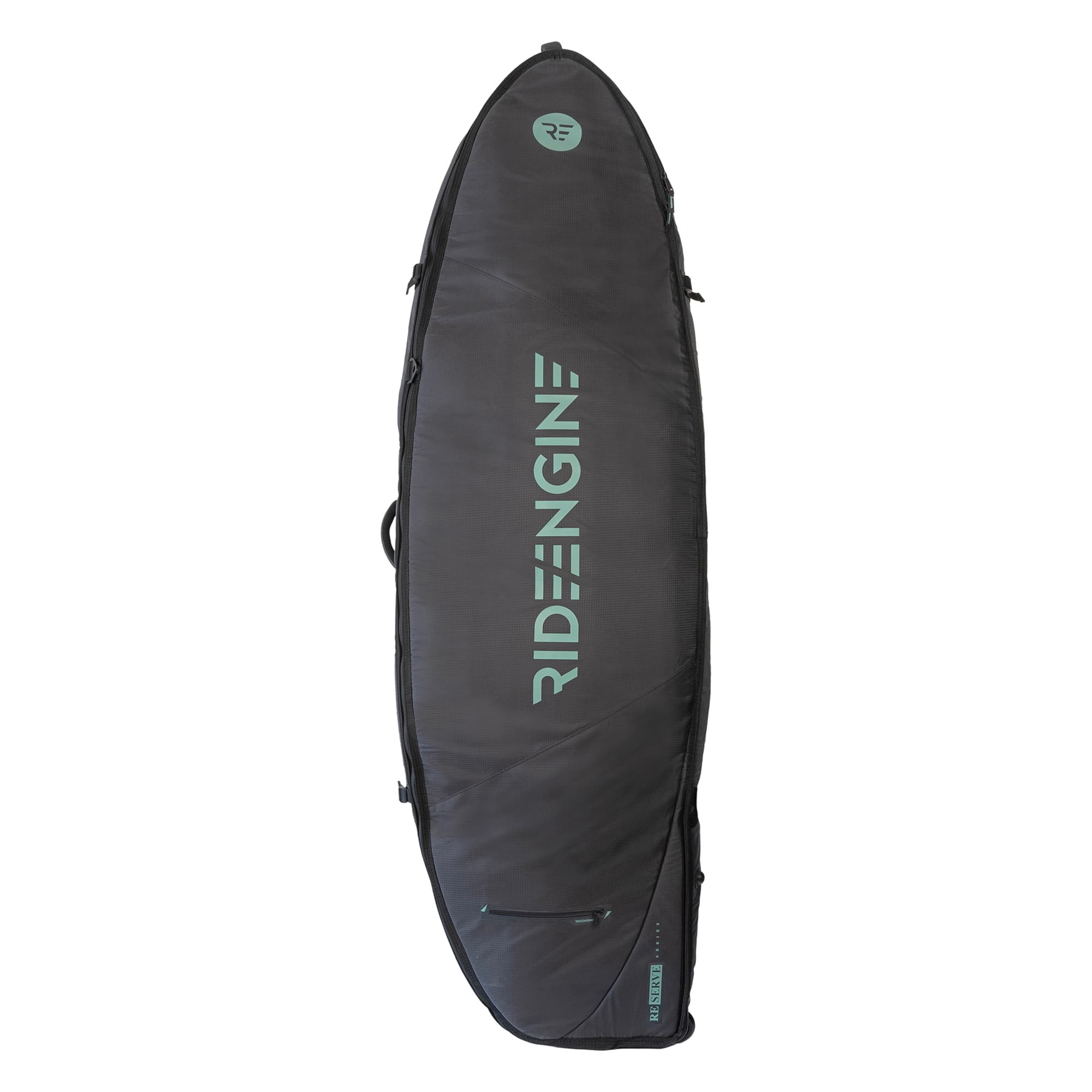
Travel Bags
You’d be surprised how many people contact us needing a travel bag just days before departure. Top tip: once you’ve booked your flights and added sports equipment, check the airline’s size and weight limits first, then buy your travel bag. Don’t leave it until the last minute.
Not all travel bags are made equal. The first thing to know is your board’s length and width, then compare this against the bag’s internal dimensions (which can differ from the external measurements).
Ask yourself:
-
How many kites are you taking?
-
What extras are going in the bag?
-
Will everything fit comfortably?
-
Does the packed weight stay within airline limits?
For short trips, a lightweight bag often does the job. For longer or more adventurous trips, it’s worth considering a bag with wheels, thicker padding, multiple compartments and compression straps to make travelling easier and protect your gear.
We have a full selection of travel bags here – https://www.kingofwatersports.com/kitesurf/kitesurf-accessories/kite-travel-bags
Other travel Essentials:
- Pump – I’ve been caught out standing on an empty beach with kit in hand but no pump – Don’t be that guy. The Mystic Pump is small enough to fit in your bag and comes with a selection of adapters.
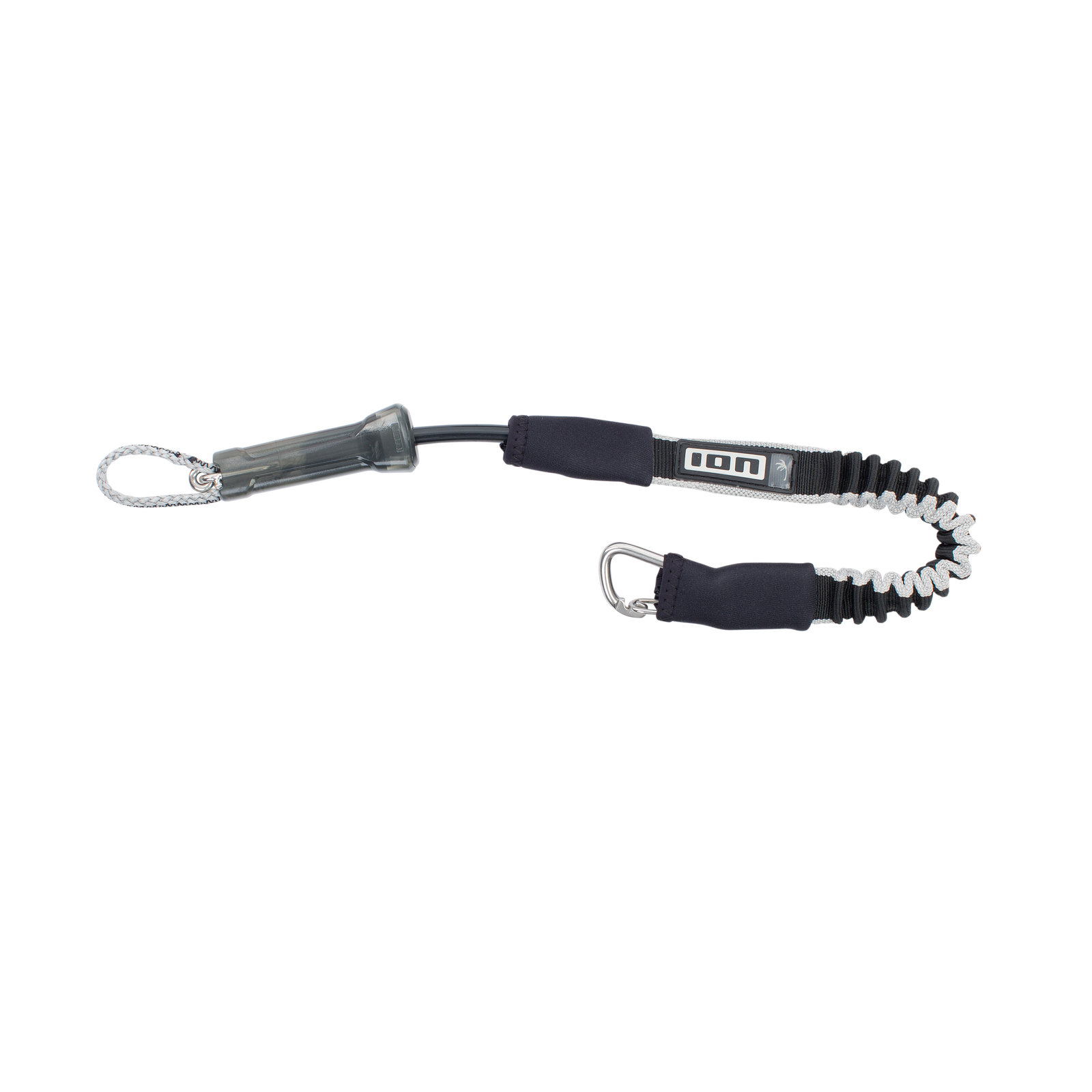
- Leash – One of the easiest things to forget or loose. Have a spare and leave it in your travel bag hoping that you never need it.
- Knife – When riding in unfamiliar locations, safety should be a priority. A hook knife is small, light, and could make all the difference.
- Helmet – Riding with a helmet is becoming increasingly common. Much like skiing and snowboarding, it’s now rare to see riders without one in many locations. Protecting your head is a smart investment.
- Kitesurf travel Insurance – You may have insurance already but its worth checking that it covers your kitesurfing in your travel location.
If you are going as part of a group then a Woo is a great addition to the trip. Not only can you track your sessions and see how you are doing but if there is a group of you then track your results and see who does the best. By using a unique hashtag for your trip when posting your heights you can create your own leader board. Let the games being!