17 Jul 2025
Mid-Length Foil Boards – Why They’re Trending

Mid-Length Foil Boards – Go Further, Sooner
Getting up and foiling earlier is every rider’s dream — whether you’re winging, prone foiling, or SUP foiling. The key? Efficiency. Longer, narrower boards move through the water faster, reaching foil takeoff speed with less wind or paddle effort.
That’s where mid-length and downwind foil boards come in. These sleek designs reduce drag, glide faster, and make every pump or paddle stroke go further, unlocking new conditions and performance for all foiling disciplines.
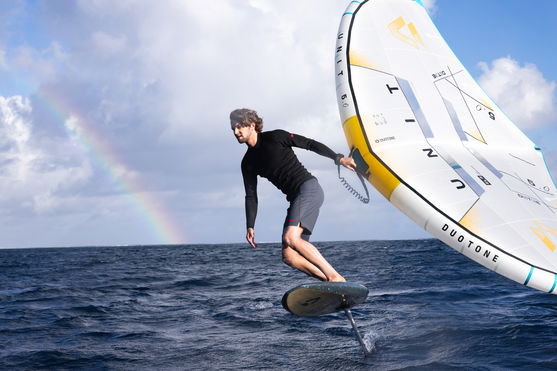
Downwind Foil Boards – Built for Glide
Downwind boards are long, narrow, and designed for maximum efficiency. Typically 6’6” or longer and 16–22 inches wide, they’re made to accelerate quickly and maintain speed through the water. The most efficient designs are often under 19″ wide, slicing through the surface with minimal resistance.
With the rise of downwind paddling, nearly every major brand now offers a downwind-specific shape. These boards make life easier when you’re paddling up onto foil in swell or chop — the longer waterline gives you early lift with less effort, while the fine tail helps you stay smooth and stable.
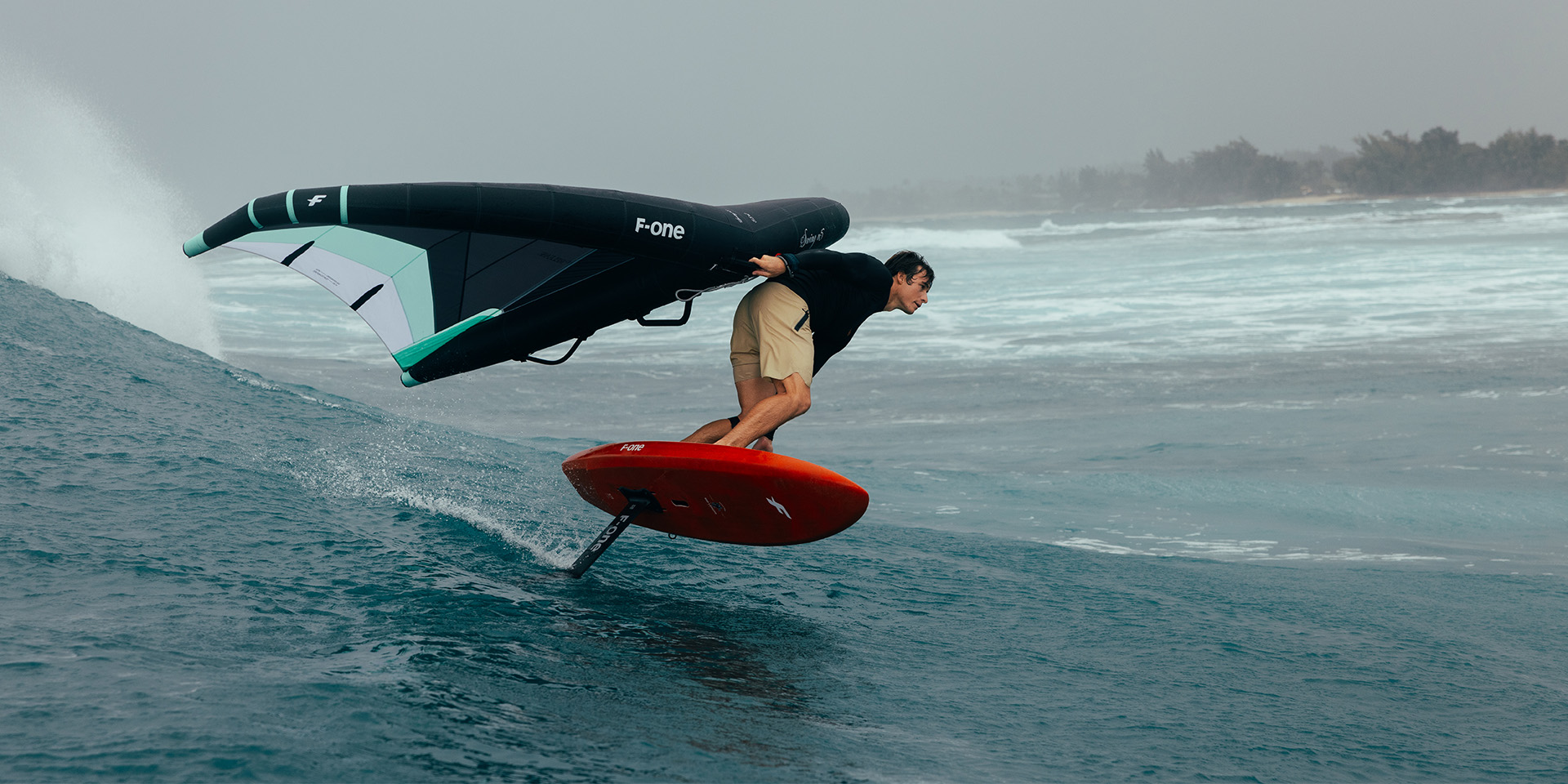
Mid-Length Foil Boards – The Crossover Evolution
Mid-length foil boards evolved from downwind designs to bridge the gap between compact wingboards and full downwind boards. Ranging from 5’8” to 7’0” long and 18–24 inches wide, they blend glide efficiency with manageable size.
The narrower outline helps you get going sooner, but naturally sacrifices some stability. Brands have tackled this balance differently — some focus on ultra-efficient, streamlined designs, while others prioritise stability by keeping extra volume in the deck.
Key Design Features
-
Length & Width: A longer waterline glides faster with less input, while a narrower shape reduces drag and boosts acceleration — perfect for early lift.
-
Thickness: Most mid-lengths are 5 inches or thicker, adding back the lost volume from reduced width.
-
Deck Shape: Flat or slightly concave decks keep you closer to the foil, improving control and feedback.
-
Tail Design: Streamlined, displacement-style tails draw to a fine point, reducing drag and improving takeoff efficiency.
-
Nose Shape: Pointed noses slice through chop and waves effortlessly.
-
Foil Track Position: Set slightly further forward than on compact wingboards, creating balance between length and swing weight for easier starts without losing manoeuvrability.
These details make a huge difference in how efficiently the board moves, responds, and releases onto foil.
Discipline Breakdown – Which Board for You?
🌀 Downwind SUP Foiling
If you’re learning or perfecting downwind paddle foiling, efficiency is everything. A true downwind board is essential — choose one with enough volume to float comfortably (your weight in kg + 40–60). More width equals more stability, helping you stay balanced during takeoff.
💨 Light Wind Winging
For light wind winging, a longer, narrower board lowers your takeoff speed and extends your wind range. Choose a board that comfortably floats you, but not so large that stability becomes difficult in chop. Both downwind and mid-length boards excel here, letting you use smaller wings while still getting up early.
🌊 Crossover Riders
Looking to wing, downwind, and SUP foil on one board? Go mid-length. They’re ideal all-rounders that balance paddle performance, early lift, and playful handling. Great for riders who want versatility across multiple foiling styles.
🌬️ Wing Foiling – The One Board Quiver
A mid-length wingfoil board gives you the best of both worlds: earlier lift and easier touch-down recovery without losing agility. Match the volume to your current setup for instant improvement in light wind sessions, or size down slightly for a more responsive, agile ride once you’re confident.
🏄♂️ Prone Foiling
For prone riders, mid-length boards offer better paddle speed and wave-catching ability, especially in weaker surf. However, smaller, traditional prone shapes still deliver top performance for powerful waves and tighter turns. Some brands even make sub-50L mid-lengths that double as compact wingfoil boards.

Real-World Performance
Mid-length and downwind boards aren’t just for light wind cruising — they shine across freeride, racing, and downwind wing runs. The longer outline smooths out touchdowns, increases forgiveness at speed, and allows smoother carving between swells.
They also open up SUP foiling and prone foiling possibilities, letting one board cover multiple disciplines. The longer waterline and balanced foil placement make downwind winging more fluid and intuitive, especially for riders learning to pump between bumps.
Choosing What’s Right for You
There are really two groups of riders:
-
The Paddlers – If you plan to paddle into waves or attempt true downwind runs, go for a dedicated downwind board or large-volume mid-length. Efficiency and volume are key.
-
The Wingers – If you’re focused on winging but want better light wind range and crossover potential, choose a smaller-volume mid-length. It’ll plane earlier, handle a smaller wing, and feel agile once on foil.
Both options will extend your sessions and unlock new days on the water you’d normally miss.
Final Thoughts
Whether your goal is gliding endless downwinders or flying in near-zero wind, mid-length and downwind foil boards deliver earlier lift and are becoming the go to option for many. They offer smoother takeoffs, and a wider performance window.
Explore the latest range of downwind and mid-length foil boards at King of Watersports — and discover how the right board can help you ride sooner, faster, and further.