26 Mar 2025
Types of Kitesurf Harness and How to Choose Yours
What All Kitesurf Harnesses Have in Common
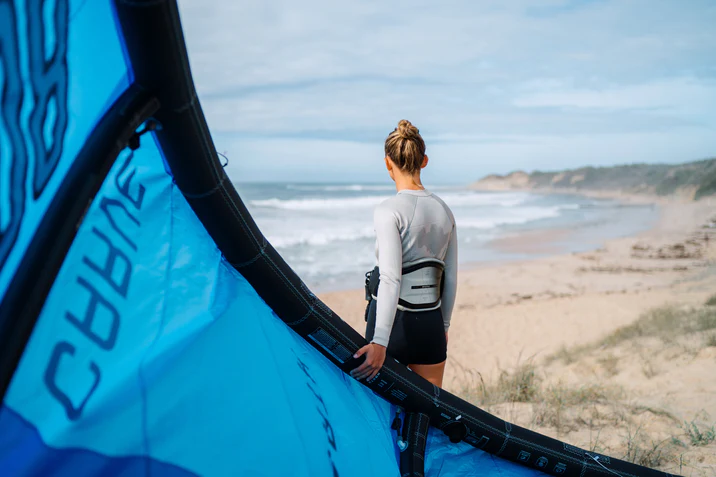
While designs vary between brands, most harnesses share key features:
-
A spreader bar to attach your kite.
-
A secure leash connection point.
-
A fastening system to keep the harness in place.
-
Adjustable straps to centre and secure the spreader bar.
-
Padding for comfort where the harness meets your body.
Many harnesses also include extra features such as knife pockets, waterproof coatings to stay lightweight, and memory foam for additional comfort.
Soft Shell Harnesses
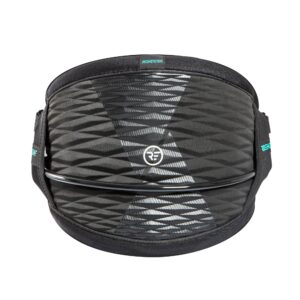
The original style of harness, soft shells remain a popular choice for beginners and freestyle riders. Made from padded foam wrapped in neoprene, they naturally conform to your body and allow for greater freedom of movement.
Most kitesurf schools use soft shell harnesses because they fit a wide range of body shapes and sizes. They’re comfortable, forgiving, and ideal if you want flexibility during tricks, wave riding, or relaxed freeride sessions.
Hard Shell Harnesses
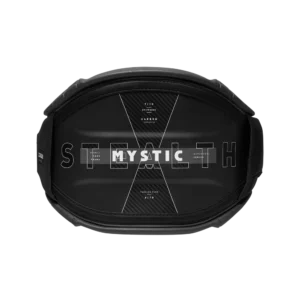
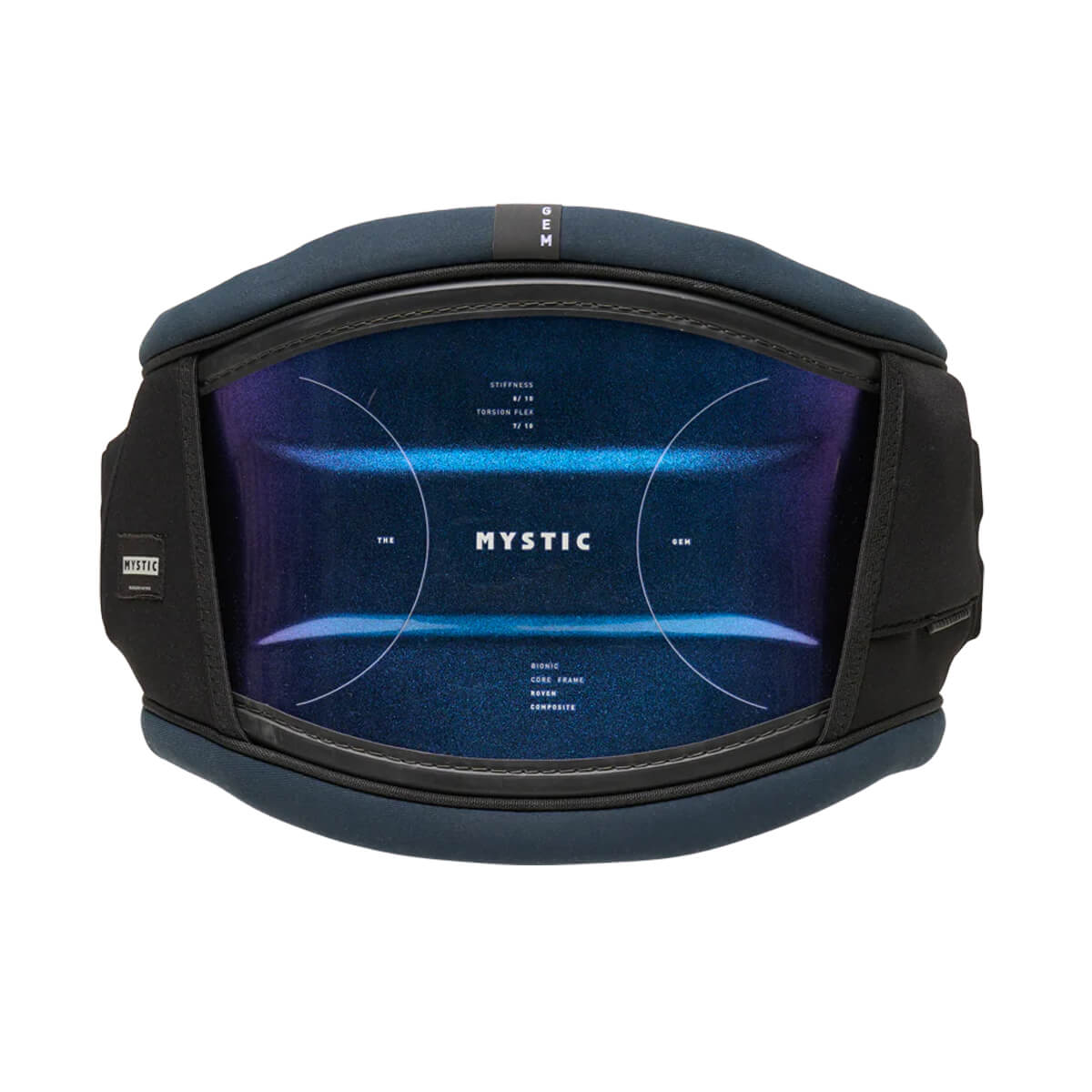
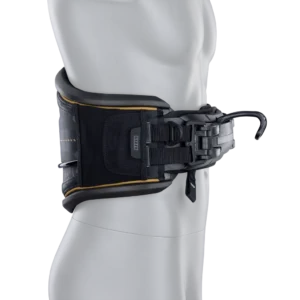
Hard shell harnesses provide maximum support. They feature a rigid outer plate—often carbon for stiffness and low weight—that locks into the curve of your back. This reduces flex and prevents the harness from twisting or riding up.
These harnesses are especially popular with riders pushing big air or powered freestyle tricks, as the support helps manage high kite loads. However, fit is critical. A poorly sized hard shell can dig into your sides, so make sure to try before you buy.
Materials range from premium carbon plates to more flexible composites, offering a choice between maximum stiffness or a blend of support and comfort.
Seat Harnesses
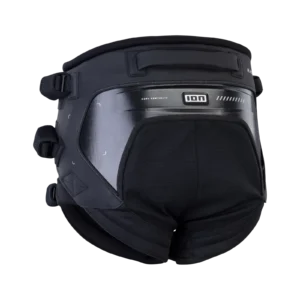
Seat harnesses are less common but remain an excellent option for certain riders. They use leg straps to prevent the harness from riding up, with the spreader bar sitting lower on the body.
They’re often used by learners, foilers, and speed riders who need consistent power transfer. Riders with back problems may also find seat harnesses more comfortable, as they allow you to “sit” into the pull of the kite. While not as fashionable, they are practical and highly effective.
Women’s Kitesurf Harnesses
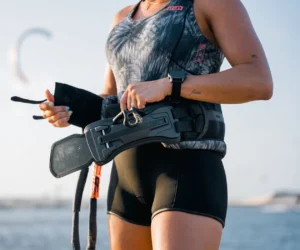
Not all riders are built the same, and women’s kitesurf harnesses are designed with a different body shape in mind. Standard harnesses are usually based on a unisex fit, which can sometimes cause discomfort if the waist belt sits too high or the harness digs into the ribs or hips.
Women’s harnesses tend to feature:
-
Shorter torso height to fit more comfortably around the waist.
-
Curved shaping designed to match the female body contour.
-
Extra padding in key areas to reduce pressure points.
-
Refined sizing for a more accurate fit.
Choosing a women’s specific harness can make a huge difference in comfort and performance on the water. Brands such as Mystic, Ride Engine, and ION all produce excellent women’s harness ranges, available in both soft shell and hard shell options.
If you find yourself constantly adjusting a unisex harness or experiencing discomfort, it’s worth trying a women’s specific design to see how much better the fit feels.
Spreader Bars
Your spreader bar is just as important as the harness itself. Standard hook spreaders are versatile and reliable, but specialised options are available:
-
Rope sliders: Ideal for wave and foil riders, allowing more body rotation.
-
Avoid windsurf spreaders: These hooks are too open and can cause accidental unhooking in kitesurfing.
Caring for Your Kitesurf Harness
A good harness can last for years if you take care of it:
-
Don’t throw hard shells onto rough surfaces.
-
Rinse straps and buckles after salty sessions.
-
Regularly check for wear and tear.
Final Thoughts
Choosing between soft shell, hard shell, and seat harnesses depends on your style, comfort, and support needs. There’s no single “best” option—only the right fit for you. Explore the full range of kitesurf harnesses at King of Watersports and find your perfect match before your next session.
Content created by King of Watersports (KOW).