15 Jan 2025
Kitesurfing Jumps: How to Jump Higher and Land Smoothly

Step 1: Master the Basics
Before you start chasing big air, make sure you’re confident riding upwind and controlling your kite. Speed and solid kite control are the foundation of every good jump. Kitesurfing jumps and learning to go higher is all about control.
Step 2: Check Your Equipment
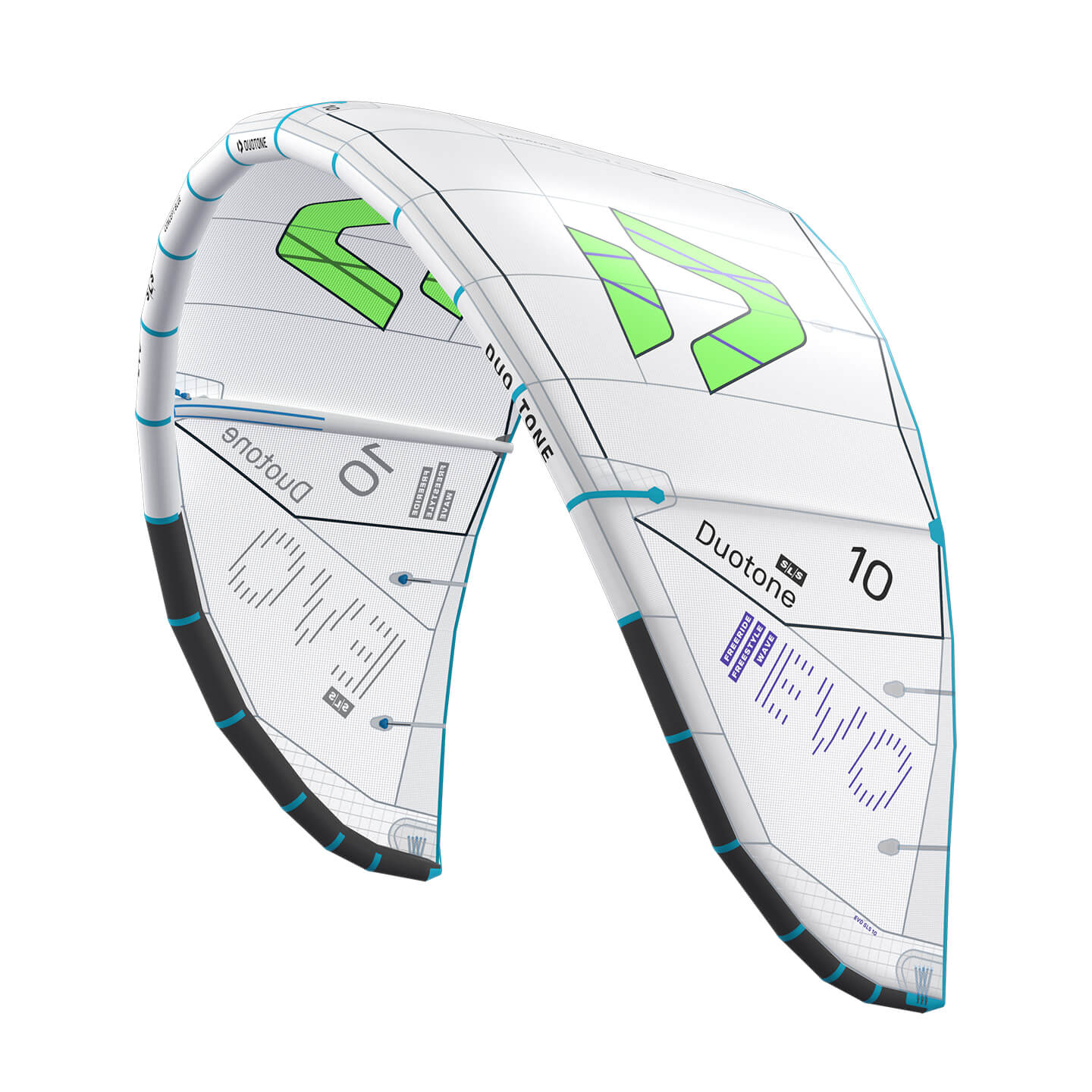
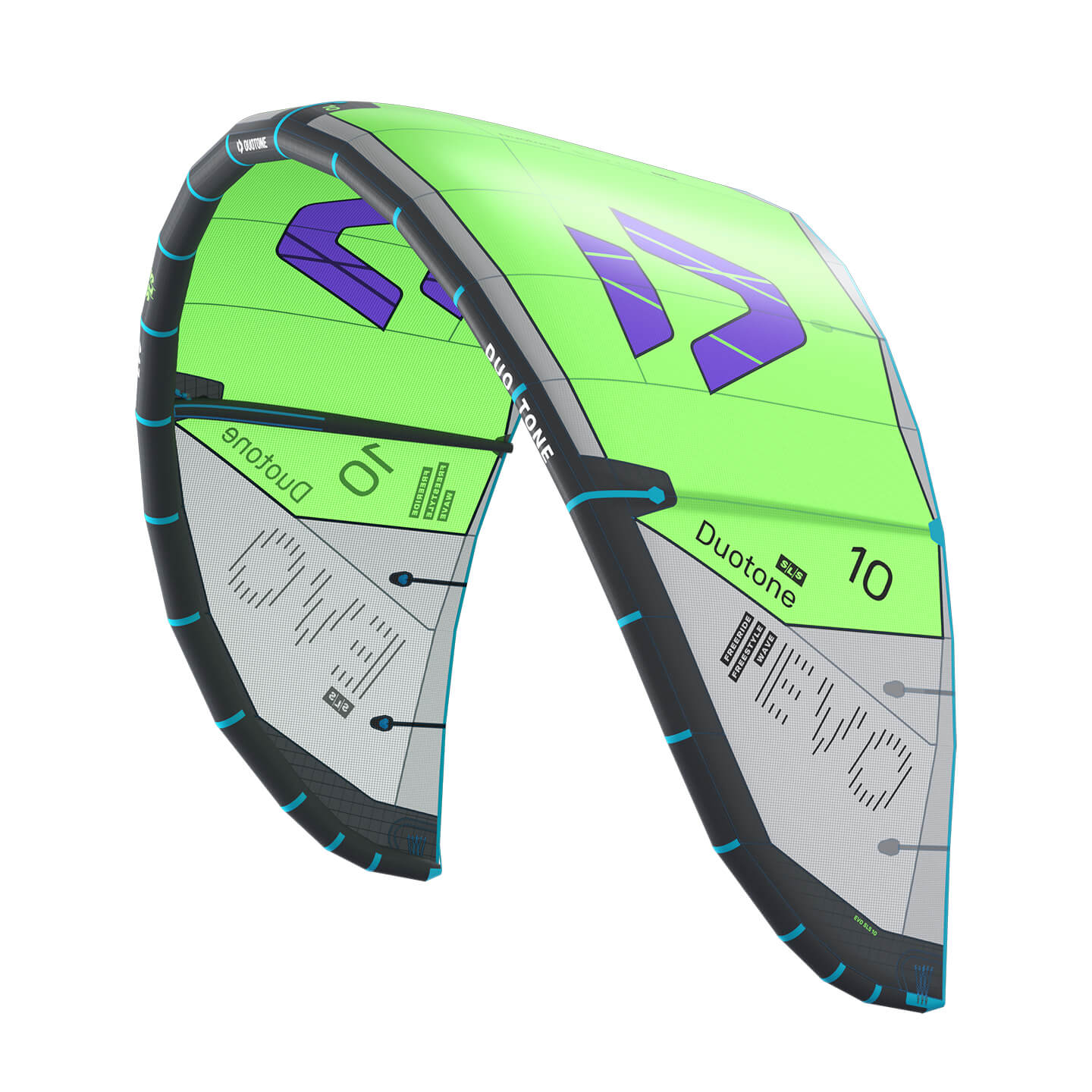
Your kite and gear should always be in perfect working order. Choose a kite size suited to the wind conditions—you’ll only perform at your best if your setup matches the environment. Being under or overpowered will limit your height. You will need to be able to ride fast in control so having the right amount of power on the day is a key.
Step 3: Prioritise Safety
Safety is crucial when learning to jump higher. Always be aware of other riders around you, and wait for safe, clear conditions before boosting. Checking both downwind and behind you is essential before launching into any jump and if you are not sure then dont go. As you start going bigger you will need more space downwind of you as your flight/hang time will also go up.
Step 4: Choose the Right Location
The right spot makes all the difference. Look for open space, steady wind, and enough water depth (at least thigh-deep) to land safely with plenty of space to bail out.
Step 5: Visualise Your Jumps
Mental preparation is just as important as physical technique. Visualise your take-off, airtime, and smooth landing. Even if you’re not in Tarifa or Cape Town in 40+ knots, you can still progress by focusing on your own realistic conditions.

Improving Your Jumping Technique
Once you’re ready to practice, these steps will help you boost higher and land with control:
-
Timing is everything: Send your kite just as you edge hard against it to create strong line tension.
-
Pop off cleanly: As the kite reaches 12 o’clock, pull in on the bar, release your edge, and pop off the tail of your board.
-
Stay sheeted in: This prevents the kite from drifting too far upwind and keeps you lifted and keep flying the kite above you.
-
Maintain control in the air: Keep a neutral posture, eyes forward, and arms relaxed for balance. Sometimes adding a grab can help keep your core engaged and control of your position.
-
Land with the kite: Sheet out slightly once you are coming down. As you ready for landing redirect the kite to start you moving forward and sheet in. Landing with the board pointing in the direction of travel will help reduce impact and minimise the risk of catching an edge.
- Downloops (heliloop): When learning to jump bigger you will pretty much just keep the kite directly above you until you come into land. As you start gaining height you will start coming down faster and the landings become harder. To slow the landing down and give more control on the way down you can loop the kite directly above you to slow you down. The key is the loop the kite as you descend but you need to actively steer the kite around the loop above you head so the kite stays between 11 and 1 above you.
Final Thoughts
Mastering kitesurfing jumps takes patience, practice, and good equipment. Focus on maintaining speed and sheeting in the kite timed with edging and take of to build consistency. If you’re serious about going bigger, check out the latest big air kites at King of Watersports to make sure your setup is ready for the challenge.
Happy jumping!
Content created by King of Watersports (KOW).