How to Choose the Right Foil Upgrade for Wing Foiling
What You Need to Know Before You Upgrade:
You’ve put in the hours. You’re up and foiling, linking gybes, maybe even experimenting with foiling tacks or carving tighter turns in choppier conditions. You’re not just surviving sessions anymore — you’re enjoying them. So what’s next?
It’s probably time to start thinking about upgrading your foil setup — and the front wing is where the magic happens.
If choosing your first foil felt overwhelming, choosing your next one might feel even trickier. But now, you’ve got experience on your side — and this time, you know what you like, what holds you back, and where you want to take your riding. This guide will help you navigate your next move with confidence.
Changing Brands or Upgrading Within Your System?
If you’re happy with the brand you started with, sticking within that system is a simple path forward. Most brands now offer a wide range of wings designed for different conditions and styles, and many components are cross-compatible.
But there are good reasons to consider a brand switch, especially if your first setup was more budget-friendly or basic. Maybe your current foil isn’t upgradeable — you can’t just bolt on a new wing without needing a different fuselage or mast. Or maybe you’ve just outgrown the feel of your first gear and you’re craving a new ride. This stage of your journey is the ideal time to assess what’s out there and make a choice based on your goals, not just price or entry-level ease.
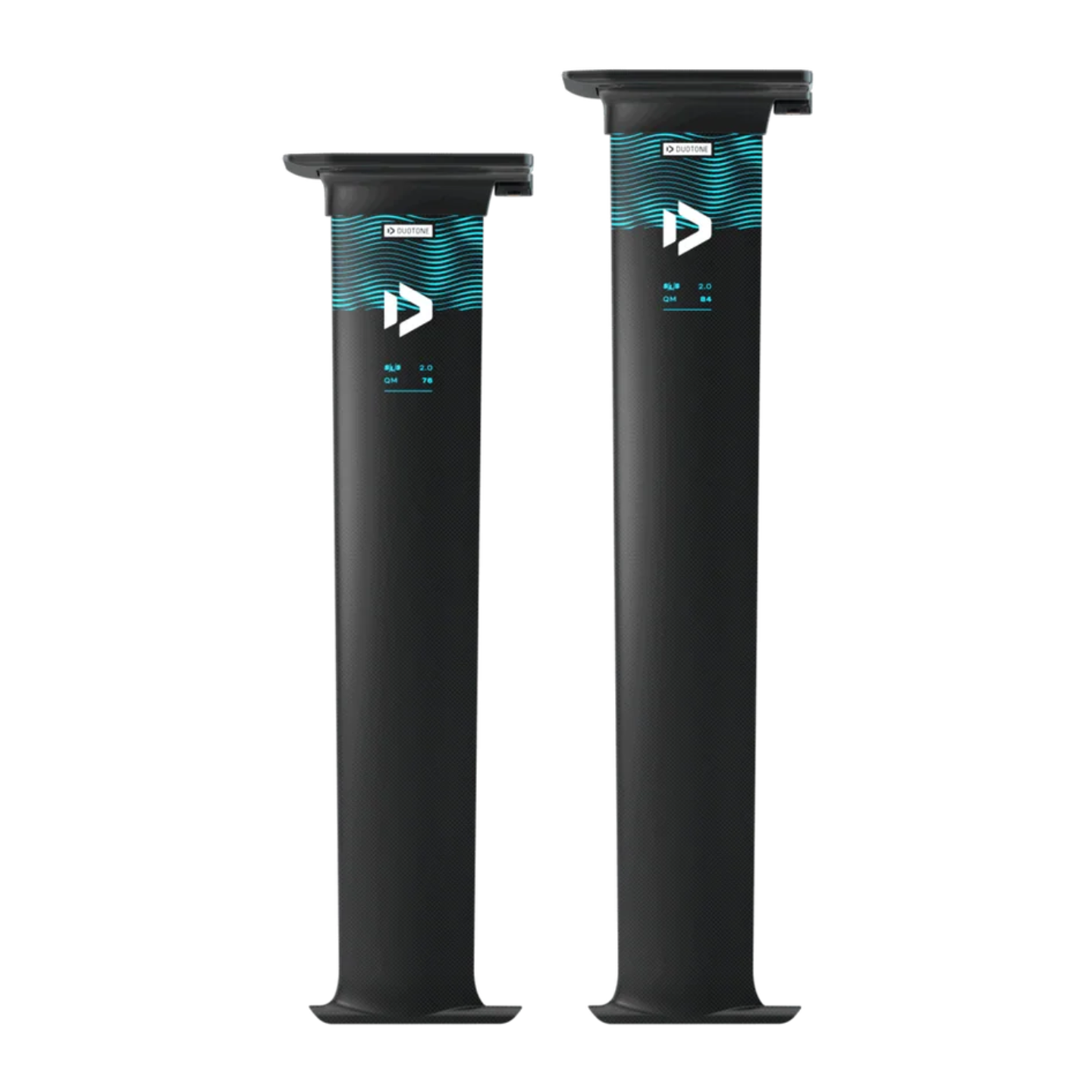
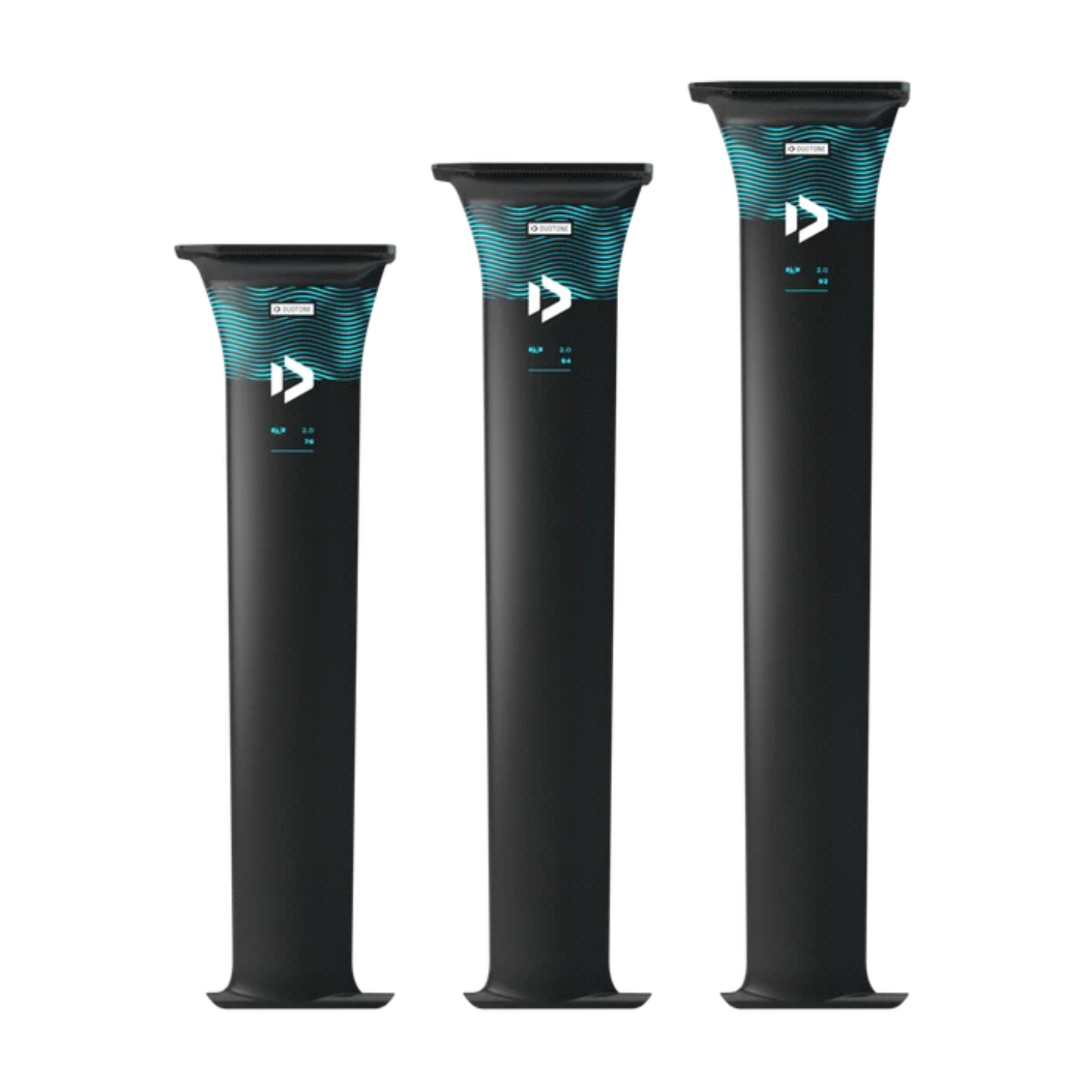
Is a Carbon Mast Worth It?
If you’re looking for a serious performance boost, upgrading to a carbon mast is a smart move. While they are lighter than aluminium masts, weight savings are just the start.
The real difference lies in stiffness and responsiveness. A good carbon mast feels smoother, reacts quicker, and transmits energy far more efficiently — especially when riding at speed or pushing harder into turns. It also cuts through the water with less drag, giving you more glide, easier takeoffs, and the ability to go faster with more control.
Not all carbon is created equal, though. Entry-level carbon masts may only be slightly stiffer than aluminium, while top-tier options are thinner, more rigid in both bend and twist, and designed for riders who want to push performance boundaries. If you’ve ever ridden a high-end carbon bike, you’ll understand the difference — once you feel it, it’s hard to go back.

Choosing Your Next Front Wing
Your first front wing was likely focused on lift, stability, and easy progression. Your next one should reflect what you want to get out of the sport moving forward.
Are you looking for more speed and glide? Do you want to explore wave riding, race your mates, get into downwinding, or throw in some freestyle? Or are you simply after a more responsive, versatile wing that helps you get more out of every session?
There’s no one-size-fits-all answer here. Your local conditions, body weight, and riding goals all come into play. And while it’s tempting to go for a specialised foil, it’s often better to aim for something that covers a range of conditions unless you know exactly what you want to focus on.
The Intermediate All-Rounder: A Safe and Smart Step
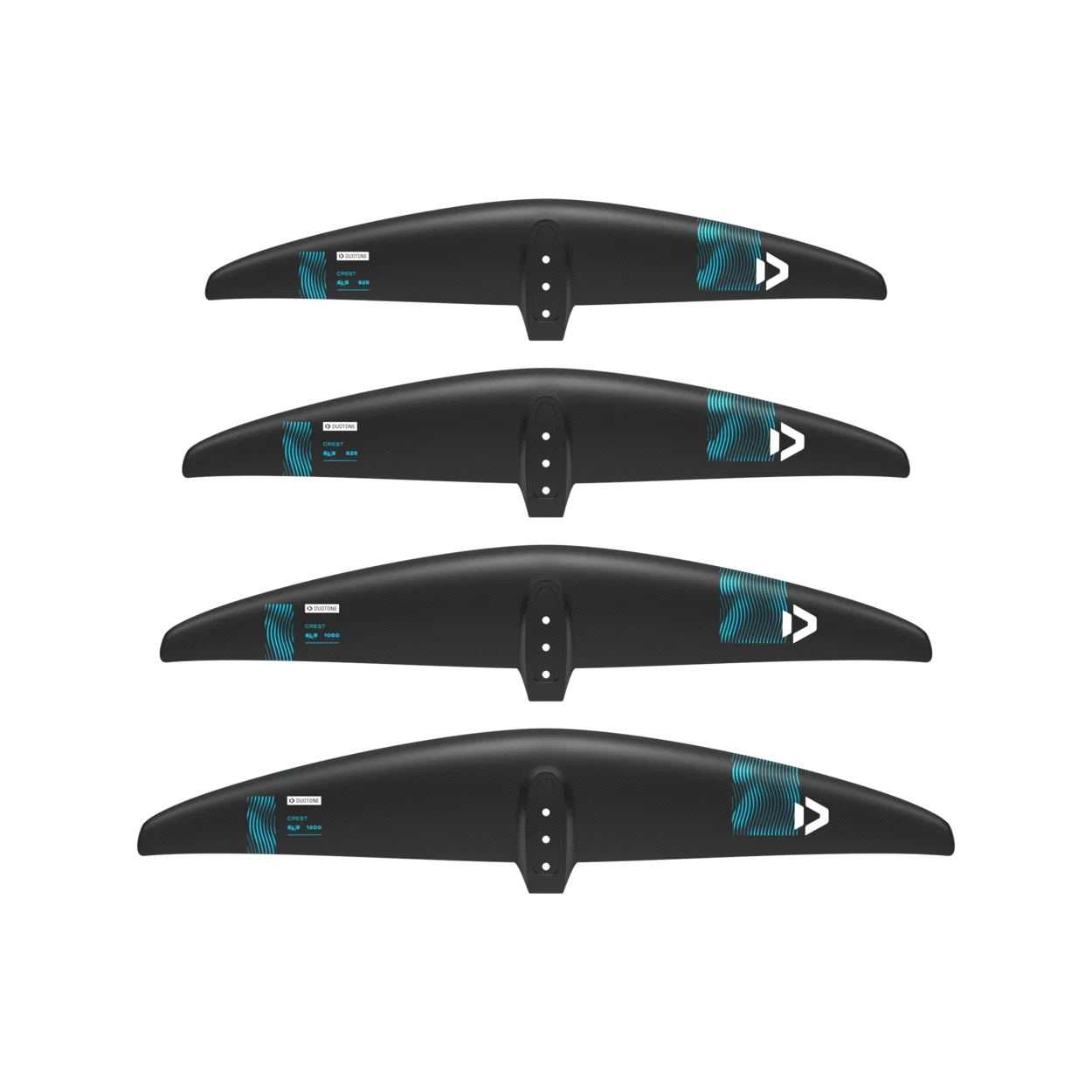
Most progressing riders benefit from moving to a slightly smaller, higher aspect wing than their original setup. These foils typically offer more speed, better glide, and tighter turns, while still being relatively easy to ride.
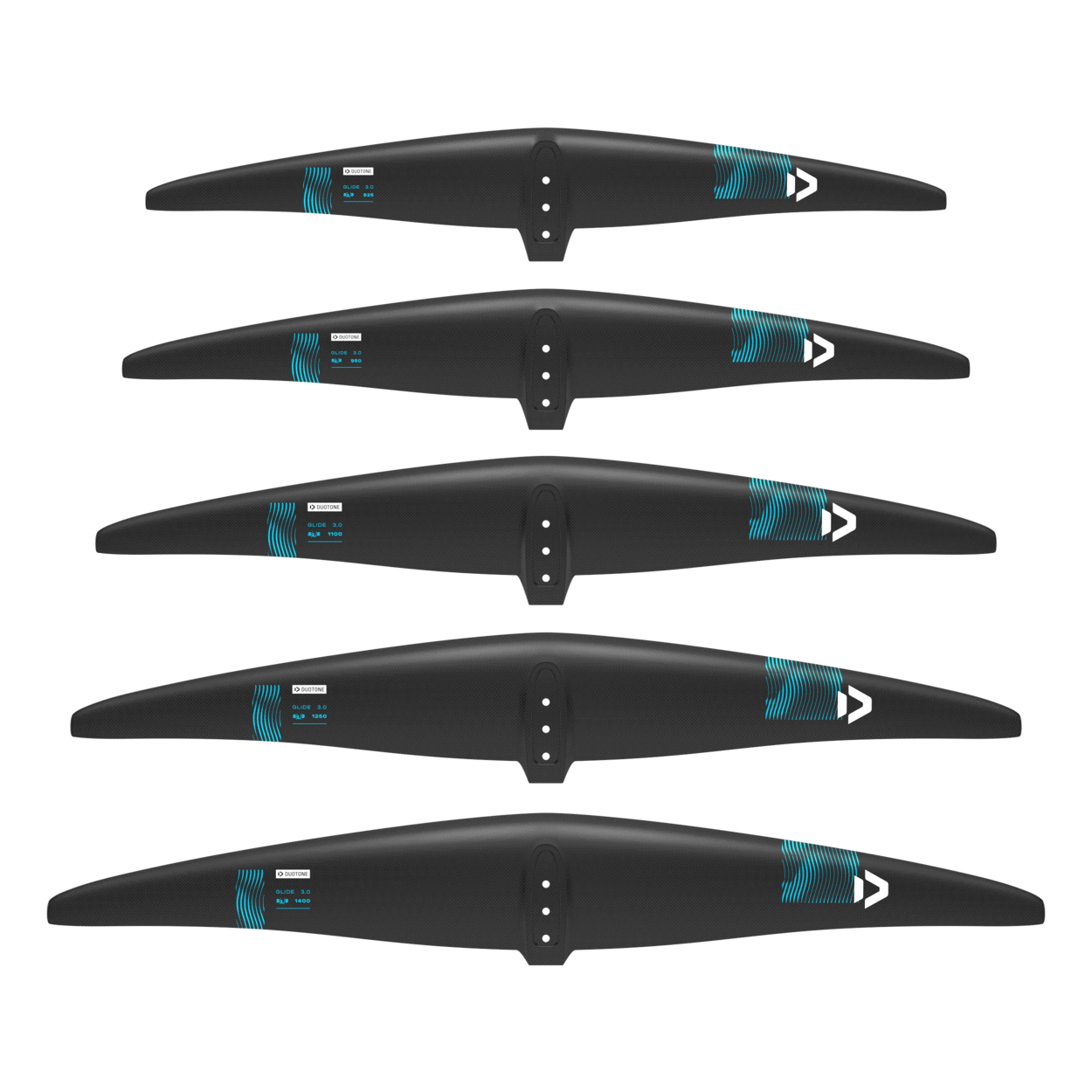
Brands like F-One, Axis, Duotone, Naish, and Slingshot all offer wings in the 1000–1200cm² range designed for exactly this purpose. These wings strike a balance: large enough to keep things forgiving, but refined enough to unlock new performance. They glide longer, turn more smoothly, and can handle everything from light wind cruising to small waves or casual freestyle.
For many riders, this becomes the go-to wing for most sessions — capable of handling everything from gusty lake rides to light downwinders, all while improving your ability to carve, pump, and flow.

Going Fast: Speed and Racing Setups
If you’ve caught the speed bug and want to go faster, you’ll want a smaller, more pitch-stable wing. But don’t just jump to the tiniest foil available. Speed is about control, not just size.
Dedicated speed foils tend to have mid-aspect shapes that hold pitch steady, even at high velocity. While a small wave foil can work for casual blasting, if you’re aiming for proper racing or GPS sessions, you’ll need to look at front wings under 800cm² — and the serious racers are going even smaller.
The key is matching the foil size to the conditions. Go too small and you’ll struggle to get up on foil in lighter winds. And don’t forget the tail wing — the right stabiliser can make or break a high-speed setup.
Surf-Style: Wave-Focused Foiling
Wave foiling continues to inspire most of the innovation in the sport, and it’s easy to see why. There’s something special about carving along a face or hitting reform sections with control and flow.
Wave wings are designed to be forgiving, stable in pitch, and efficient in turns. A good wave foil lets you stay locked in even when the tips breach the surface, and gives you the confidence to draw lines without overthinking. The sweet spot for intermediate wave riders usually falls between 750 and 1000cm², with aspect ratios around 8 offering a nice balance between carving, lift, and control.
If you mostly ride slow, mushy waves, you’ll want something with a bit more area. For punchier, faster conditions, a smaller, thinner wing might suit you better.

Freestyle: Go Small, Go Fast, Go Big
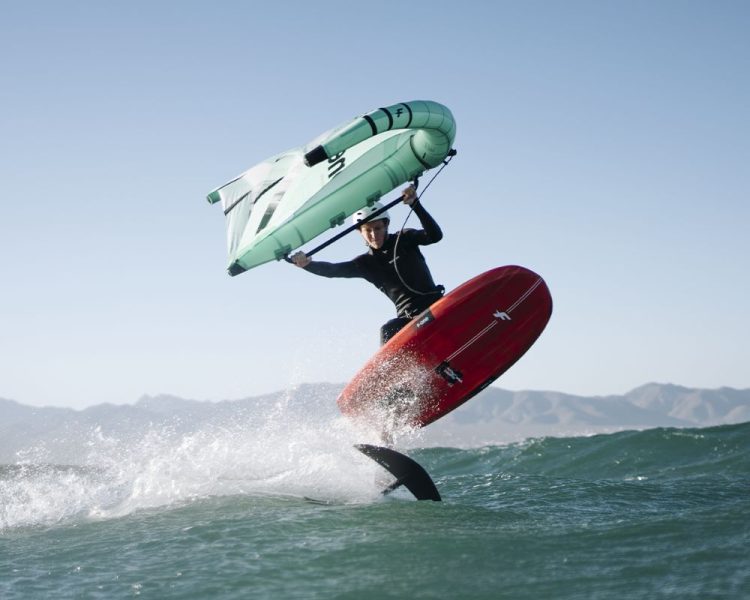
If you’re itching to go airborne, throw spins, or just add a bit more flair to your sessions, then freestyle foiling is where it’s at. This discipline is all about speed, control, and explosive lift — and your front wing needs to match that energy.
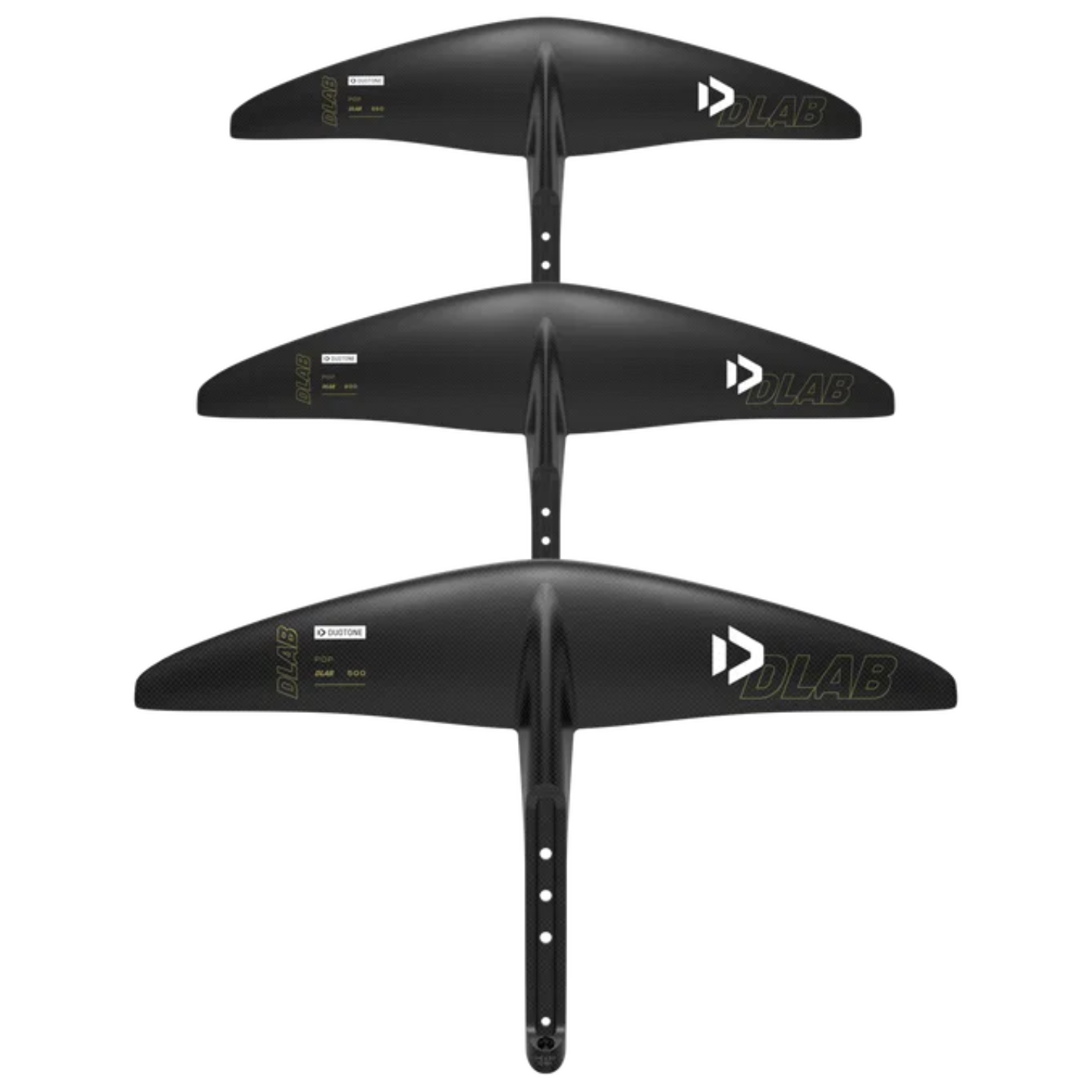
For freestyle, you want a small, fast foil that accelerates quickly and feels reactive underfoot. Pop is key, so you’re looking for a wing that delivers an instant burst of lift when you pump hard into your takeoff. That moment of energy release is what gives you the height — and ultimately, the hang time — to pull off your tricks.
For achievable freestyle like jumps and 360s you can learn on any foil under 1200cm² but to get some real height you want to be comfortable on a foil under 800cm². The top riders out there are using 500cm² foils in most wind strengths and this allows for 5 meter + jumps.

Downwinding: When Glide is Everything
Downwind foiling is one of the most rewarding (and humbling) aspects of the sport. It’s also the hardest to pin down, because every session is different.
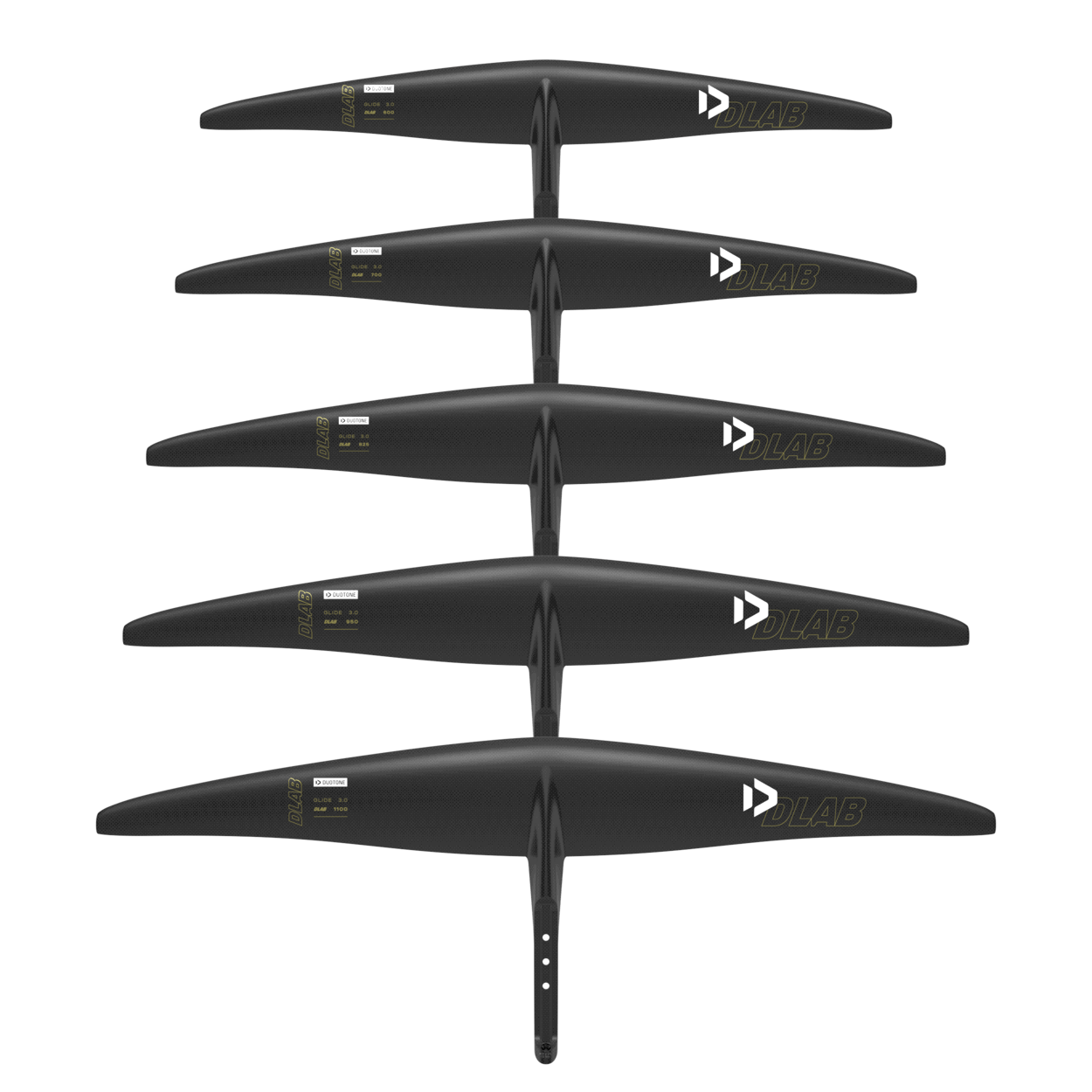
In general, you want a high-aspect wing with excellent glide. On light wind days with small bumps, a 1400cm² foil might keep you cruising. But if the swell is firing, you’ll want to go smaller — maybe down to 700–900cm² — to match the speed of the wave energy.
Here, matching your foil to your local conditions is key. Bigger foils make staying on foil easier, but may lack the speed to stay with fast-moving swells. Smaller foils are quicker but require perfect timing and technique. Start big, gain experience, and dial in from there.

Rear Wing Tweaks: Small Changes, Big Effects
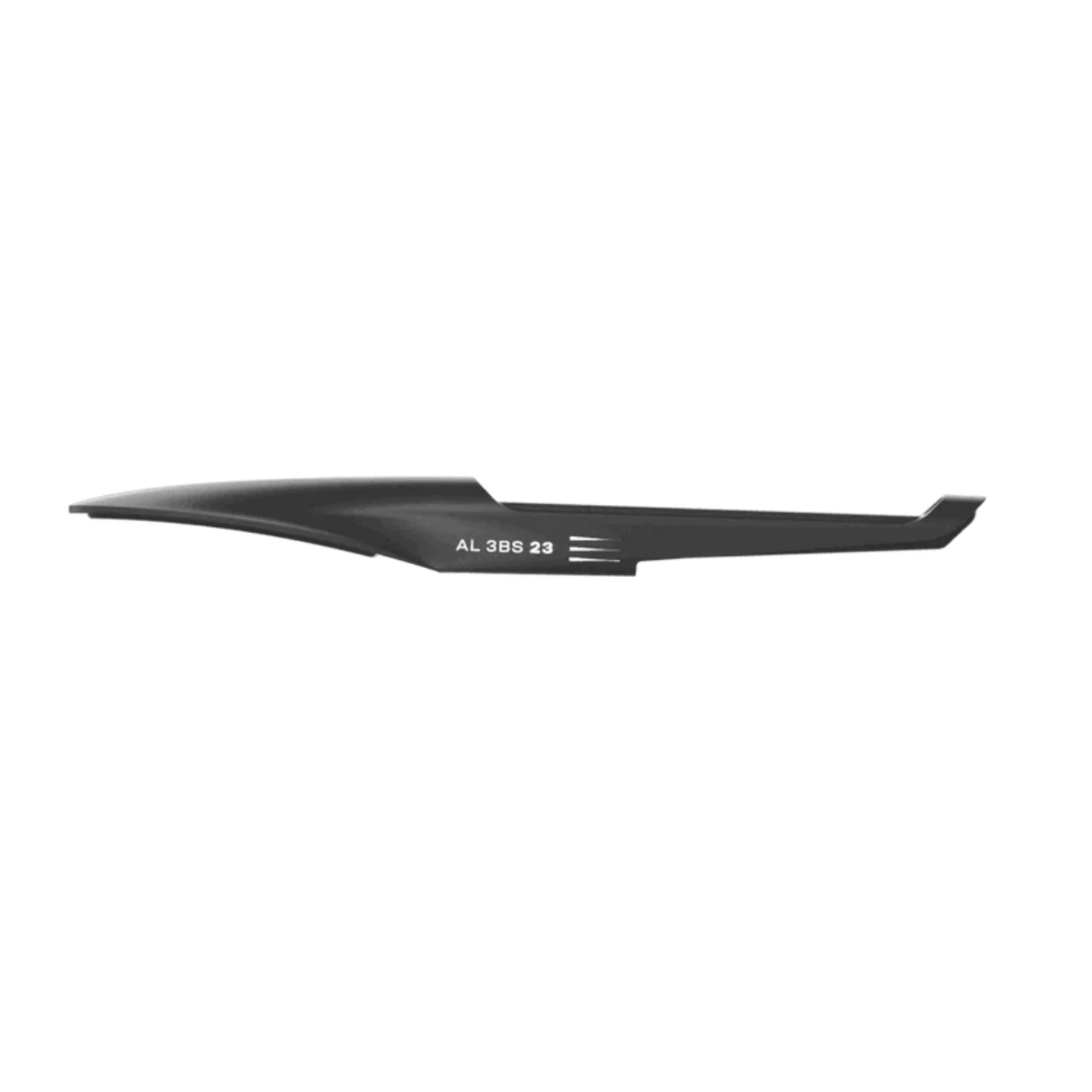
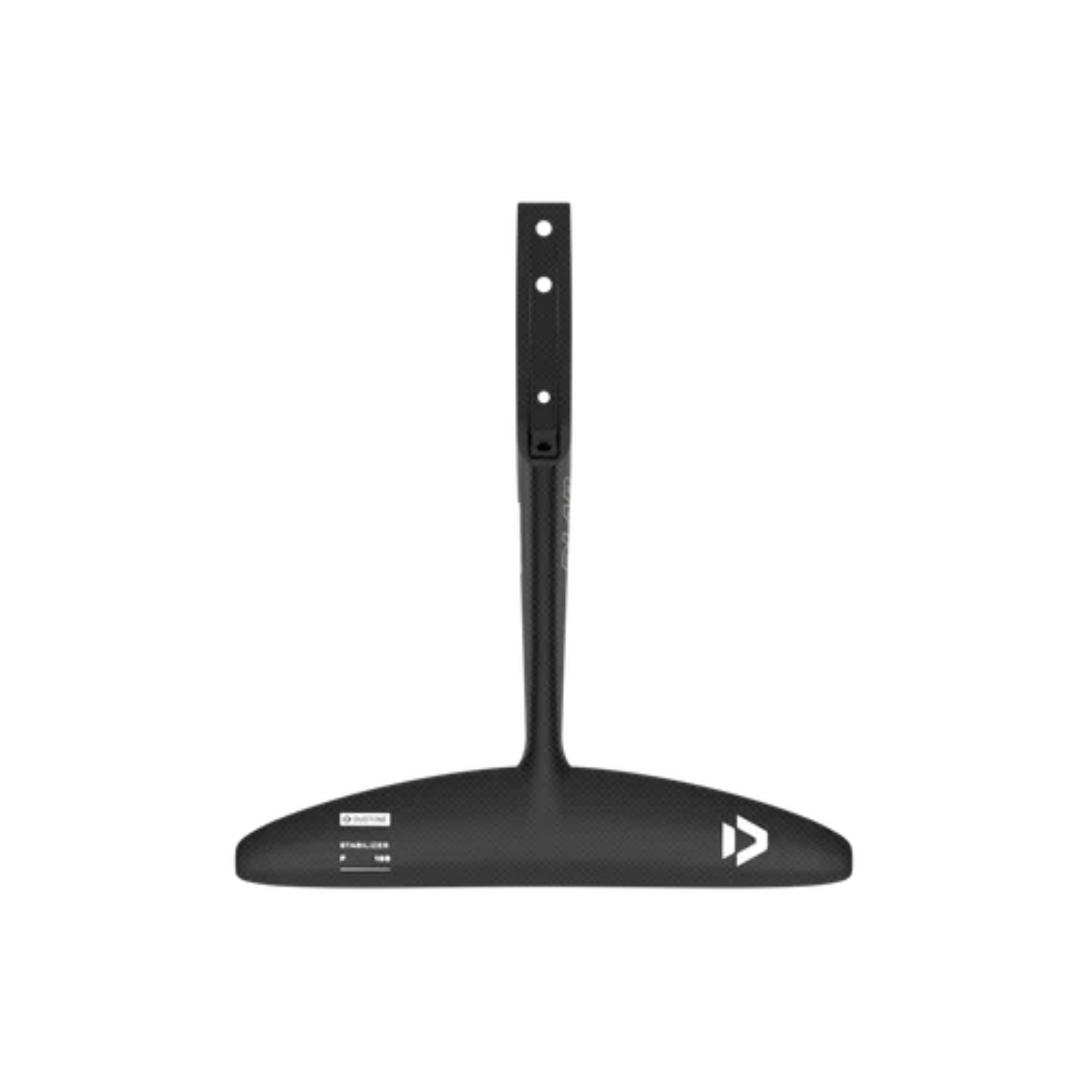
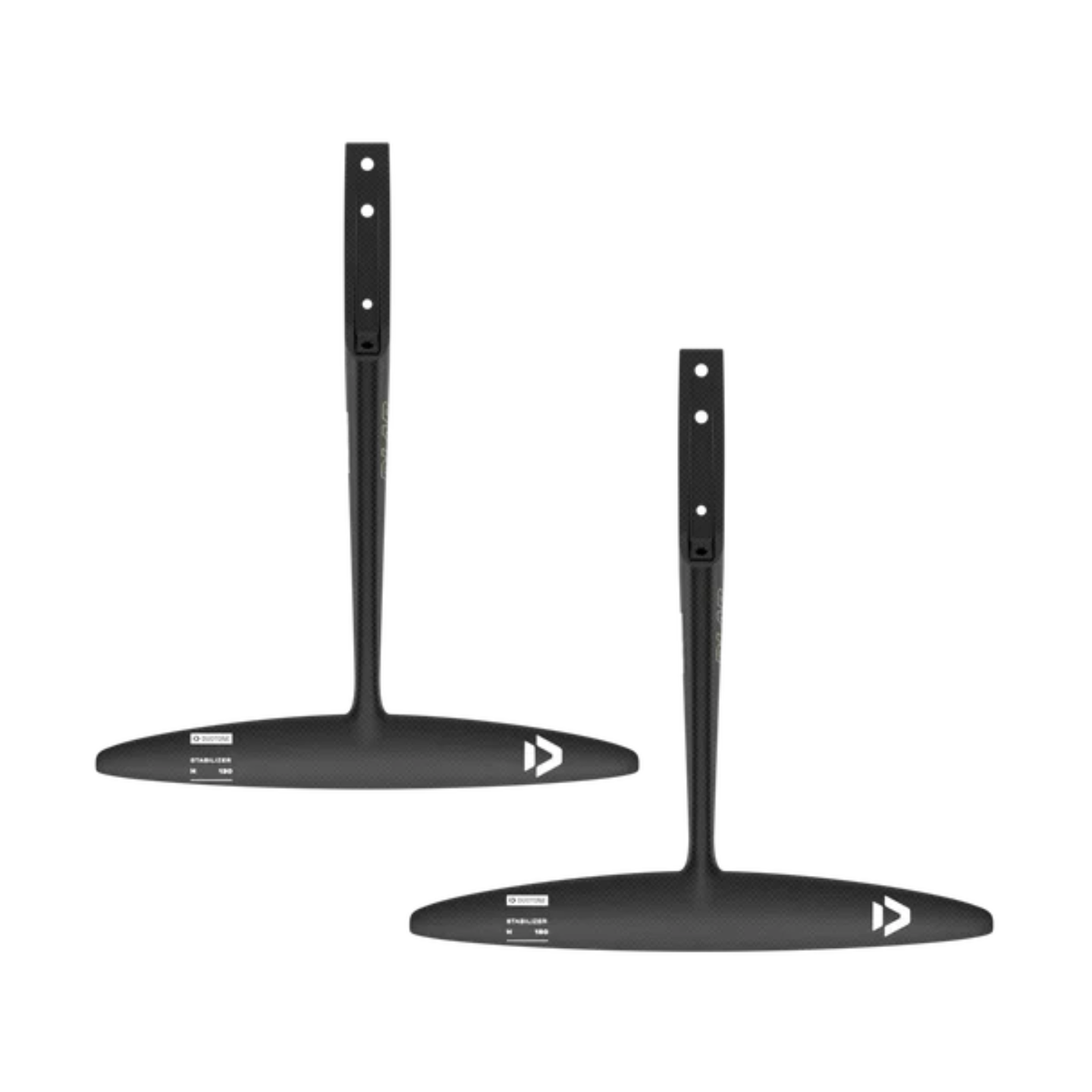
Rear wings often don’t get the spotlight, but they play a huge role in how your foil feels. Larger tail wings make things more stable and predictable, which is great when adjusting to a smaller front wing. Smaller stabilisers can loosen things up, adding speed and agility.
A rear wing can give more drive, higher speeds, more/less roll and yaw stabilty as well as effecting the stall and take off speeds.
The trick is finding the right match. If you go too small on the rear while using a large front wing, you’ll lose stability and control. But if you’re stepping into higher-performance front wings, don’t be afraid to experiment — even small rear wing changes can bring a foil setup to life.
Exploring New Disciplines?
If you’re getting into something new — like downwind paddle foiling, parawing, or prone — your gear needs to match your experience level. That usually means starting big and stable. Paddle foiling, for example, requires a large wing to get up in flat water. Prone foiling is best learned in soft, rolling waves with a forgiving foil. Parawing works best with smooth, all-round wings, not twitchy high-aspect speed machines.
Keep it simple at first. Dial in your technique. Then fine-tune your gear as you go.

Final Thoughts
Ten years ago, nobody could’ve predicted just how far foiling would go — and we’re still only getting started. With new gear, new disciplines, and new riders entering the scene every day, there’s never been a better time to upgrade your setup and explore what’s possible.
If you’re currently wingfoiling on a front wing under 1200cm², you’re already in the realm of crossover performance. That means you’ve got the potential to jump into new styles, new conditions, and new challenges — all with the same foil system.