5 Apr 2025
Pump Foiling Guide: Learn Dock Starts & Techniques

Why Learn Pump Foiling?
Many beginners ask, “What’s the point of dock starting?” The answer is simple: pump foiling is both a stand-alone sport and a skill that enhances every other foiling discipline. When there’s no wind or swell, pump foiling lets you keep riding. It also improves your balance, strength, and understanding of how foils generate lift.
And once you can pump, you’ll find it easier to stay on the foil in wing foiling, kite foiling, or SUP foiling, giving you extra speed and longer sessions.
Essential Elements of Pump Foiling
To get started, you’ll need four key things:
-
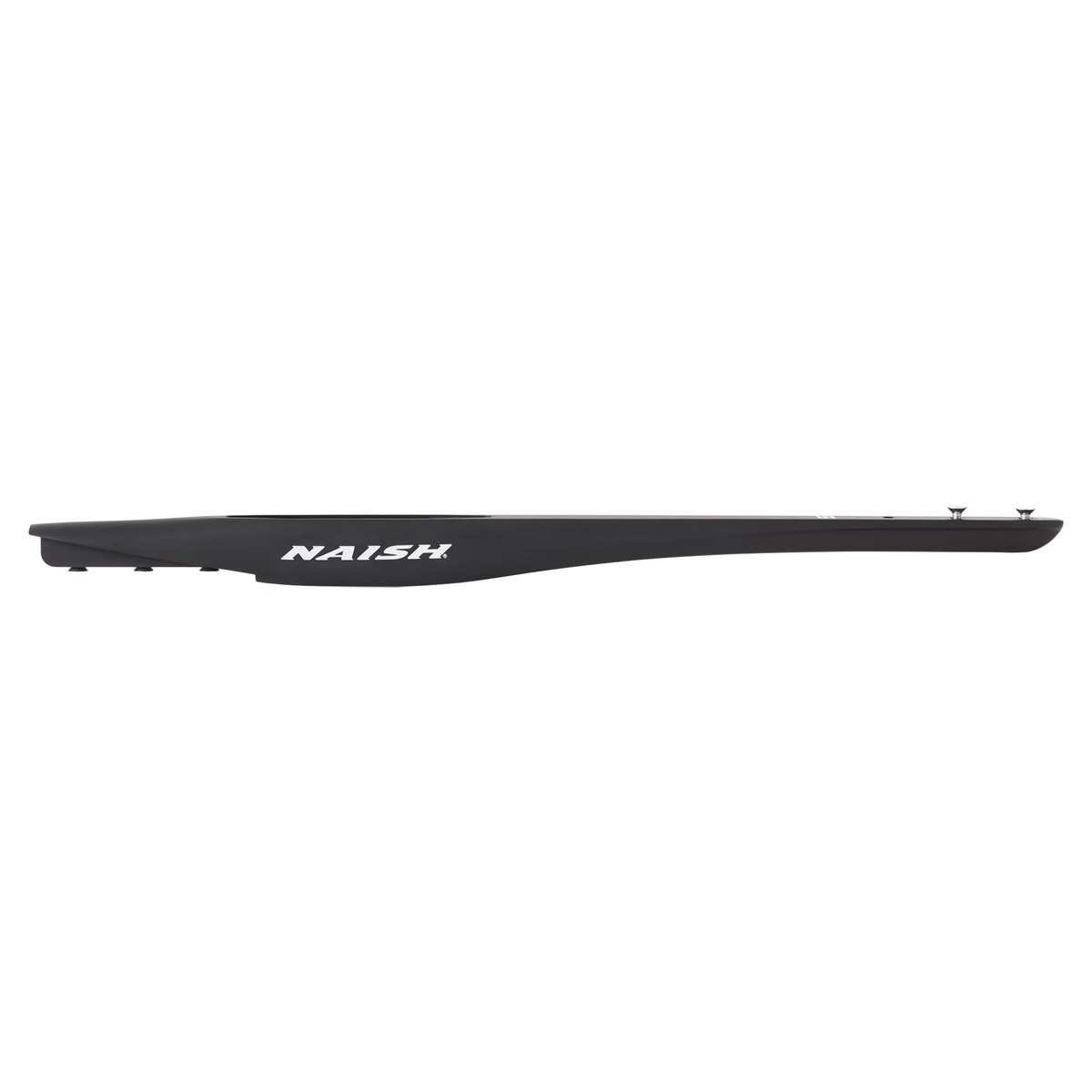
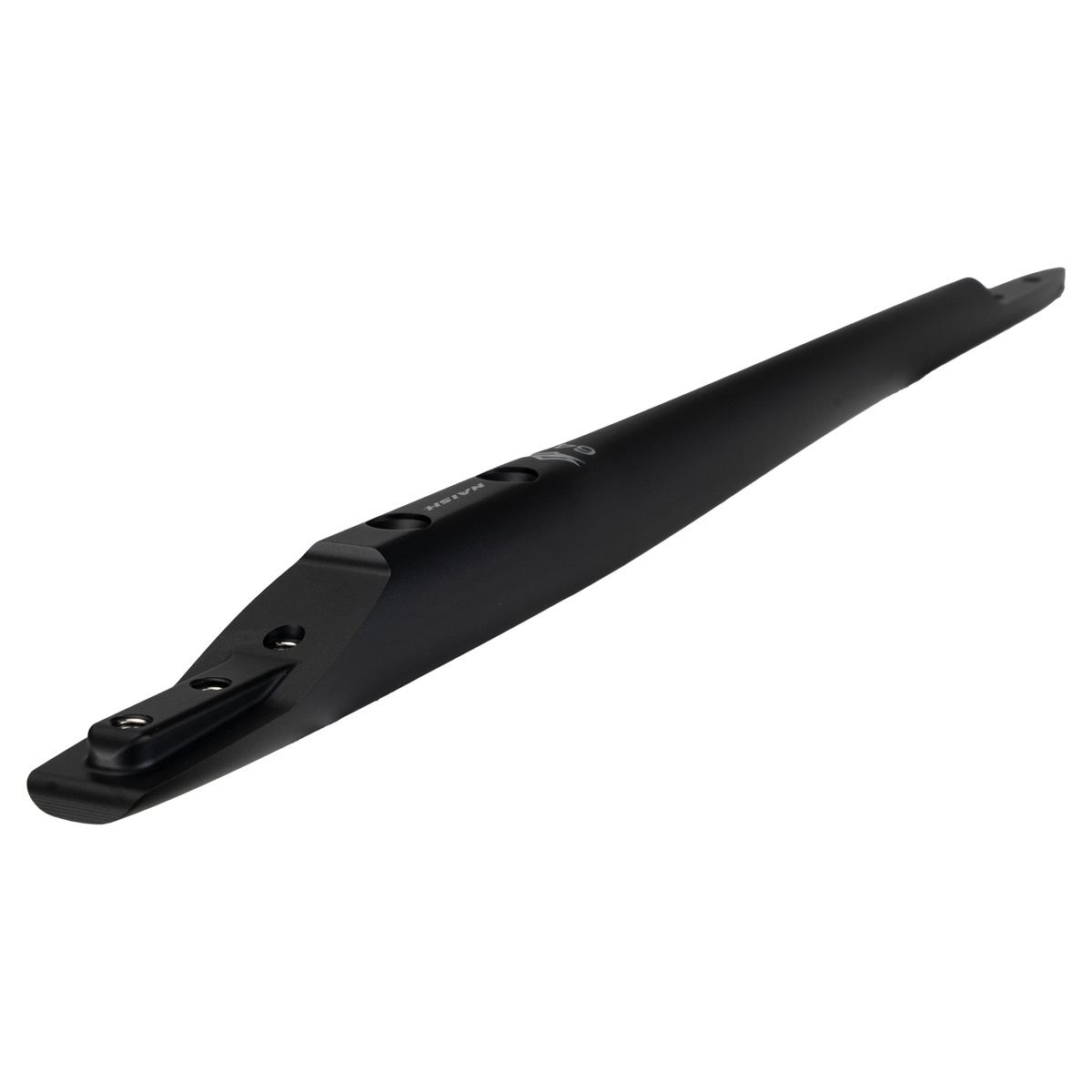
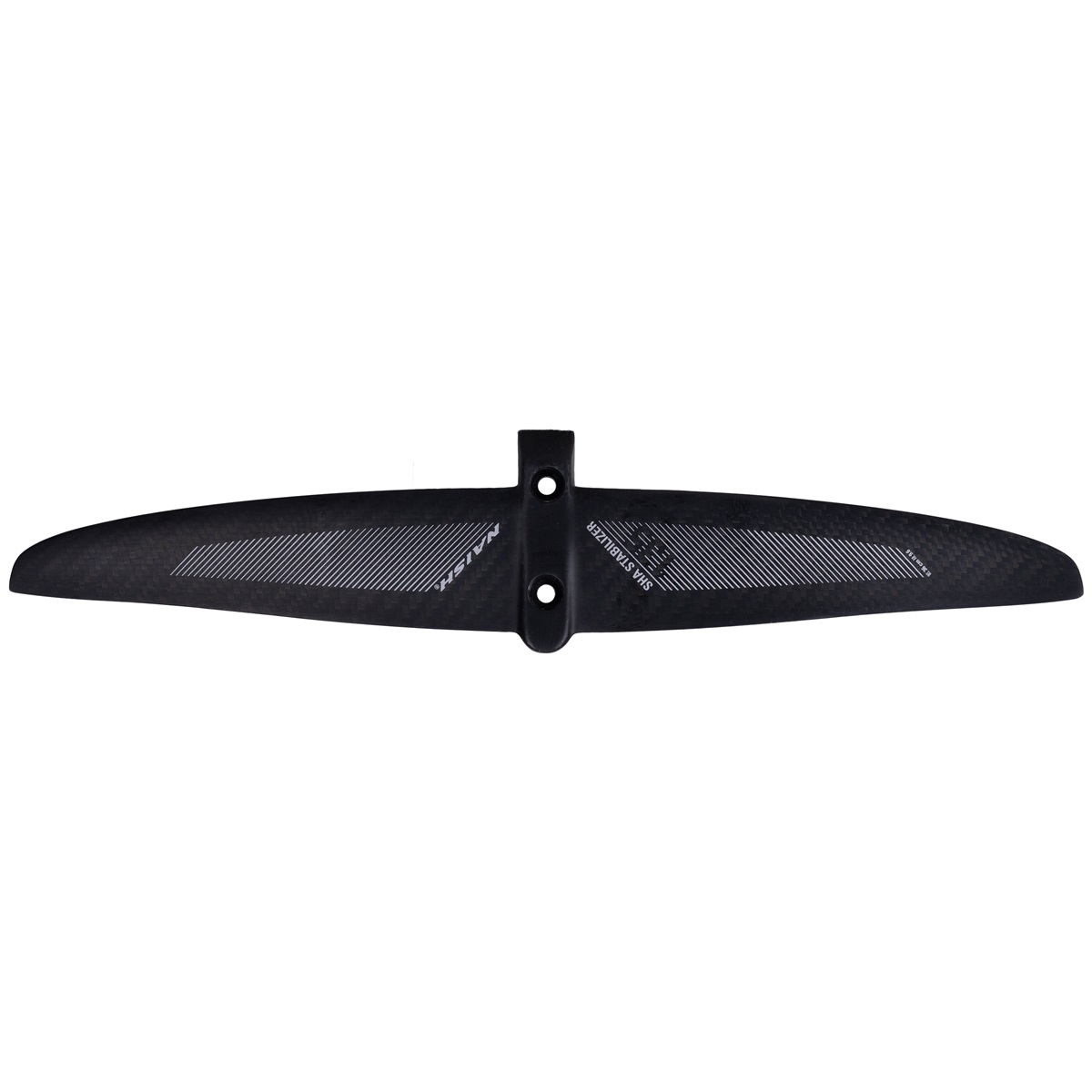
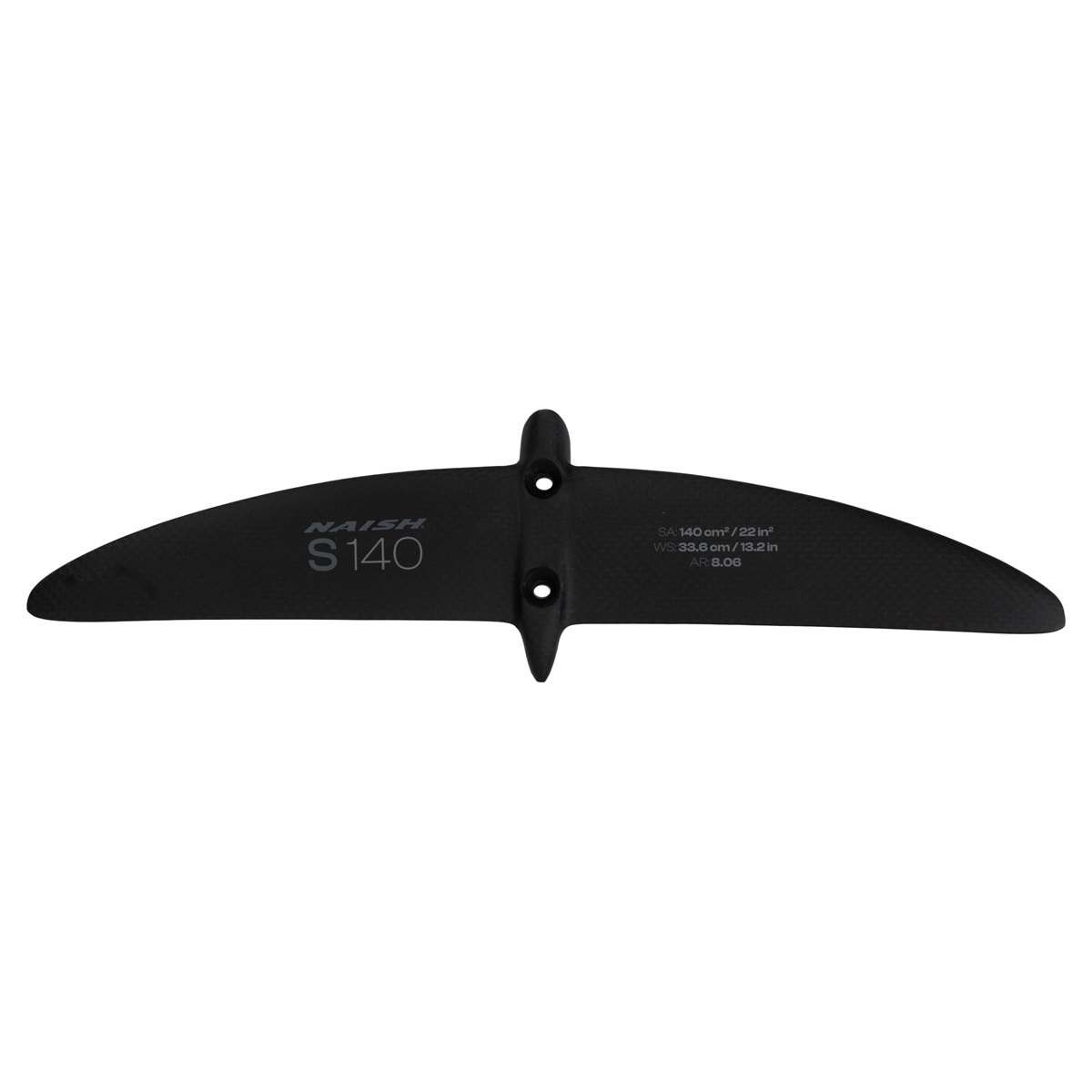
Hydrofoil setup: A foil with good glide (often mid-high aspect) and a board (kitefoil and prone foil boards are ideal). Larger foils are ideal for beginners.
-
Pumping technique: Using your legs and body to generate momentum with a rhythmic up-down motion.
-
Patience & persistence: Expect a lot of falls before you master the glide.
-
Launch spot: A safe, deep-water location with space to build speed. A dock or pontoon are ideal but you can use any ledge next to the water or rock or get creative and builder yourself a dock start platform from a ladder with some decking.
How Pump Foiling Improves Other Sports
Once you’ve built confidence, the benefits transfer across foiling:
-
Surf foiling: Pump back out to sea after catching a wave.
-
Downwind foiling: Link swells that are otherwise out of reach.
-
Wake riding: Ride small wakes behind boats or glide across harbours.
-
Wing & kite foiling: Extend flight time during lulls or between waves.
The key take away I have seen for myself is in the ability to keep high on the mast so the foil is just under water where it is most efficient. Being able to regain height is also a must have skill, several sharp aggressive pops off the back leg will help you regain height. Pump foiling will definately get the heart rate up, so keep at it and you abilty to stay foiling for longer will increase with every session.
Dock Starts Explained
The most common entry to pump foiling is the dock start. This involves running along a dock or pontoon, jumping onto your hydrofoil board, and landing balanced enough to begin pumping.
At first, your attempts may look more like comedy dives than controlled starts. But every small step counts: landing one foot on the board, then both, then gliding a short distance. With perseverance, you’ll soon be linking pumps and gliding smoothly.
Tip: Beginners often find success with a small, stiff board and a large high-aspect foil. This combination makes lift easier and reduces swing weight, so pumping feels more controlled.
Refining Your Pump Foiling Technique
As you improve, you’ll start linking multiple pumps together. The aim is to balance lift and drag, timing each pump to glide as far as possible.
Key technique tips:
-
Keep your stance shoulder-width apart.
-
Drive about 60% of the pump from the front foot.
-
Think of the back foot as a hop upward, not a push down.
-
Look forward, not down, to stay balanced.
-
Use shorter, quicker pumps for efficiency.
With time, your movement will shift from frantic bounces to smooth, flowing glides. That’s when pump foiling really clicks.
Progressing and Pushing Limits
Once dock starts feel natural, challenge yourself:
-
Go further set yourself a target to get to and ideally back.
-
Go somewhere. Pump down the river, across the harbour or to another launch point to ride further along a river or lake.
-
Use your new skills to ride downwind swells, wakes or unbroken waves.
Hitting the one-minute flight milestone in flat water is a huge achievement. From there, every extra second you gain is a testament to your technique, stamina, and balance.
Conclusion: The Key to Endless Flight
Learning pump foiling is more than just a fun way to ride on calm days—it’s the foundation for mastering every other foiling discipline. From dock starts to endless glides, it improves your control, fitness, and understanding of your foil setup. Stick with it, celebrate small wins, and you’ll soon be flying across the water effortlessly. It has helped my downwinding no end – when I first did a wing downwinder I relied on the wing to link the bigger swells together. Now I will rarely use the wing as I pump between swells and maintain height on the foil to make it easier to ride the smaller swells.
With practice, pump foiling can make you feel like your board has its own engine—and that’s the magic of mastering self-propelled flight.