9 Aug 2024
Wetsuit Buying Guide: Choosing the Perfect Fit
Full Wetsuits vs Shortie Wetsuits
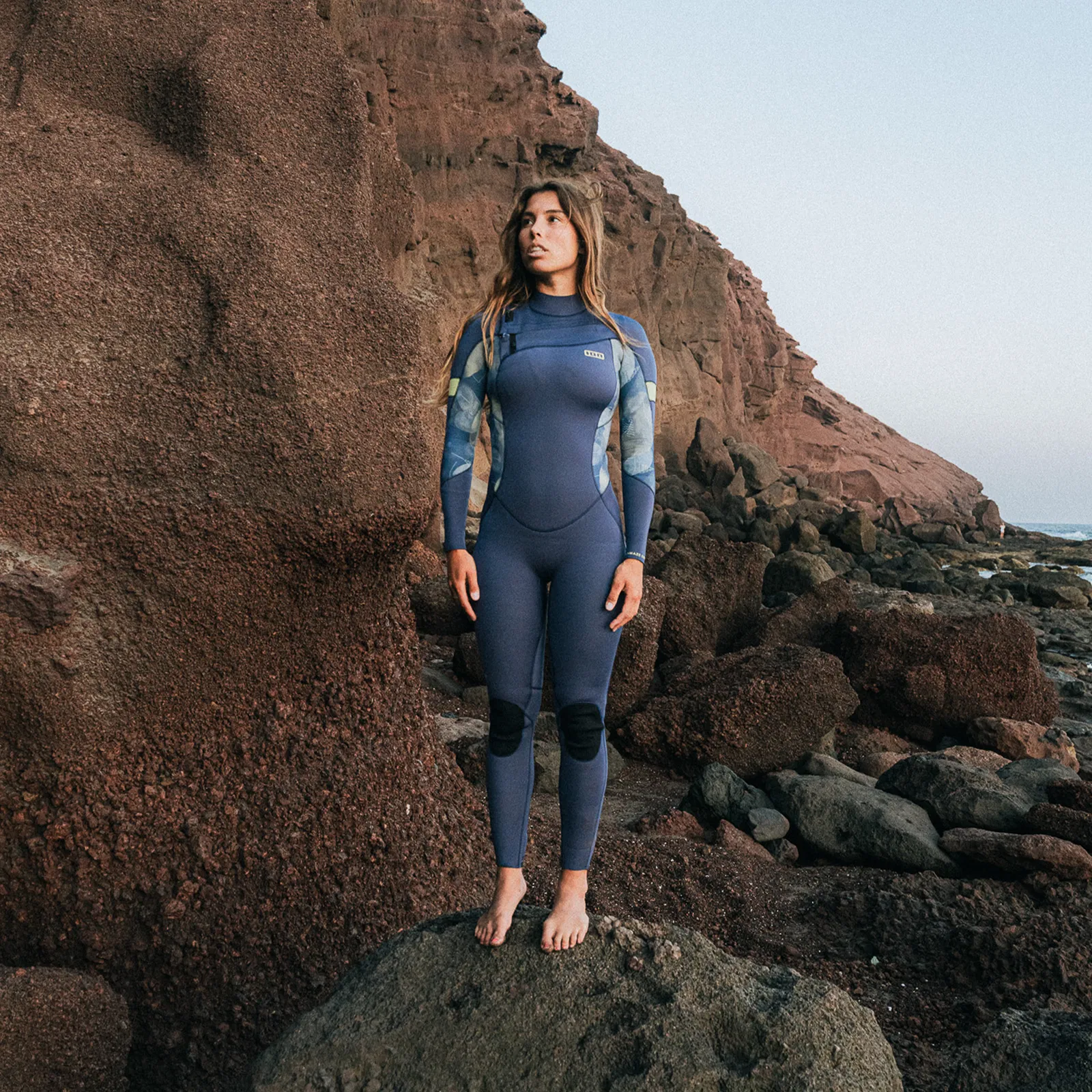
Full wetsuits cover the entire body except for your hands, feet, and head. They come in a variety of thicknesses, typically ranging from 3/2mm for warmer water to 6/5mm for cold conditions. The thicker neoprene around your torso protects your vital organs, while thinner arms and legs allow for flexibility when paddling or swimming.
Shortie wetsuits, on the other hand, cover just the torso, upper arms, and thighs. They’re ideal for summer or warmer waters, giving you maximum flexibility and comfort. Because they allow more water in, shorties aren’t the best choice for colder conditions.
Key Takeaways:
-
Full wetsuits = maximum warmth, some flexibility trade-off.
-
Shortie wetsuits = flexible and lightweight, best for warm water.
Choosing the Right Cut and Thickness
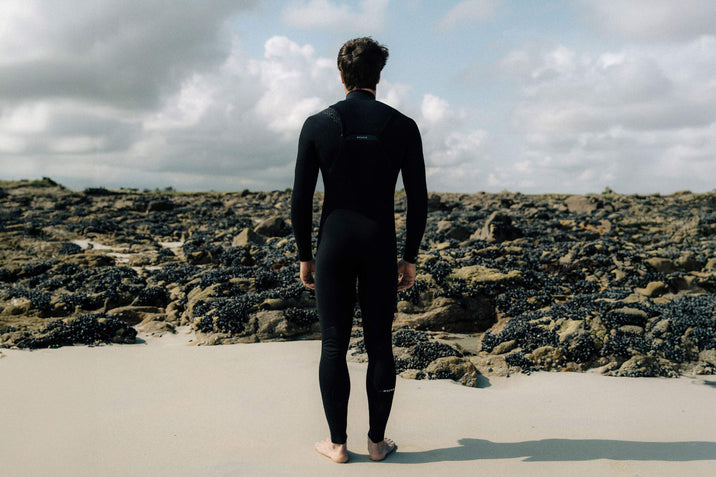
Water temperature is the main factor in selecting a wetsuit. If you’re in colder climates or doing wind-based sports, consider wind chill as well. The correct wetsuit thickness ensures you stay warm without restricting your movement. Summer suits around 3/2mm are perfect for warmer months, while 5/4mm or 6/5mm suits are better for winter sessions.
Key Takeaways:
-
Match thickness to water and air temperatures.
-
Combine wetsuit with accessories in colder conditions.
Back Zip, Chest Zip, or Zip-Free Wetsuits
The way you get into your wetsuit affects both comfort and warmth. Back zip wetsuits have a long zipper down the spine, making entry simple but sometimes allowing water to flush through the collar. Chest zip wetsuits provide a smaller, more watertight opening, which improves warmth and flexibility but takes a bit longer to put on. Zip-free wetsuits offer ultimate flexibility and minimal water entry, giving the closest feel to wearing no wetsuit while keeping you warm.
Key Takeaways:
-
Back zip = easy entry, less warmth.
-
Chest zip = warmer, flexible, slightly slower to put on.
-
Zip-free = maximum flexibility and seal.

Finding the Right Wetsuit Size
A snug fit is essential. A wetsuit that’s too loose allows water to flow in and out, which decreases warmth. Sizing is usually based on height and chest measurements for men, and dress size or bust/chest for women. Always refer to the brand’s size guide to get the perfect fit, as neoprene can stretch slightly over time. When first trying a suit on it should feel snug and over the months of using the suit it will stretch. As it gets old you may find it becomes too loose to be effective and this is a good tale tale sign that it might be a good time for a new wetsuit.
Key Takeaways:
-
Snug fit = best warmth and comfort.
-
Measure yourself for accuracy.
Understanding Wetsuit Seams and Stitching
Wetsuits are made from neoprene panels stitched together, and the type of seam affects warmth and flexibility. Overlock stitching is breathable and common on cheaper summer suits but allows water in. Flatlock stitching overlaps panels for moderate warmth. High-quality wetsuits use glued and blind-stitched (GBS) seams or welded seams, minimizing water entry and maximizing insulation.
Key Takeaways:
-
Overlock = breathable, summer use.
-
Flatlock = moderate warmth.
-
GBS & welded = winter wetsuits, maximum insulation.
Essential Wetsuit Accessories
Even the best wetsuit can be improved with the right accessories. Hoods keep your head warm, gloves protect your hands, and boots shield your feet from cold and rough surfaces. Each should fit snugly to prevent water from entering.
Key Takeaways:
-
Hoods = prevent heat loss from the head.
-
Gloves = keep hands warm.
-
Boots = protect feet and add insulation.
Caring for Your Wetsuit
Proper care extends the life of your wetsuit. Always put it on gently, starting from your feet and working upwards. When removing, go in reverse to avoid stretching seams. Rinse with fresh water after each use, dry inside out, and avoid direct sunlight or metal hangers. Never wash in a machine or use harsh chemicals, as this will damage the neoprene.
Key Takeaways:
-
Rinse and air dry after every use.
-
Avoid direct sunlight and metal hangers.
-
Handle gently to prevent tears and seam damage.
Conclusion
Choosing the right wetsuit is about more than just size—it’s about matching thickness, cut, entry type, and seam construction to your activity and water conditions. Combined with proper accessories and care, the right wetsuit can keep you warm, comfortable, and enjoying the water year-round.
Content created by King of Watersports (KOW).