5 Apr 2025
Stand Up Paddle Board Techniques for Beginners

Setting Up Your Paddle Board
Before hitting the water, make sure your board and paddle are ready:
-
Check the SUP valve – Ensure it’s in the upright position before inflating so the board stays pressurised when the pump is disconnected.
-
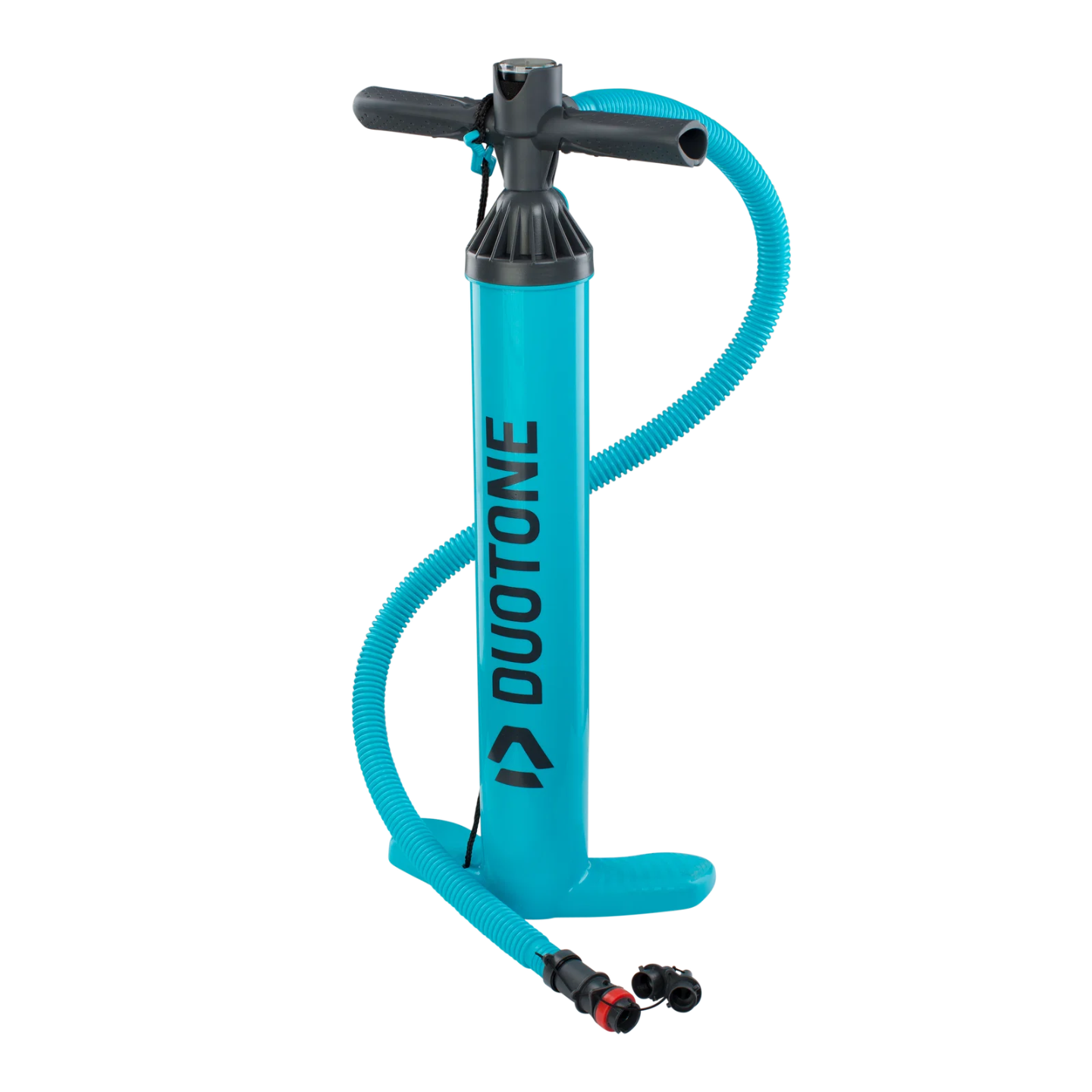
Pump correctly – Start with the high-volume pump mode to fill quickly, then switch to high-pressure mode as it gets harder to pump. Aim for the recommended PSI for a solid, stable board.
-
Replace the valve cap – This prevents accidental deflation.
-
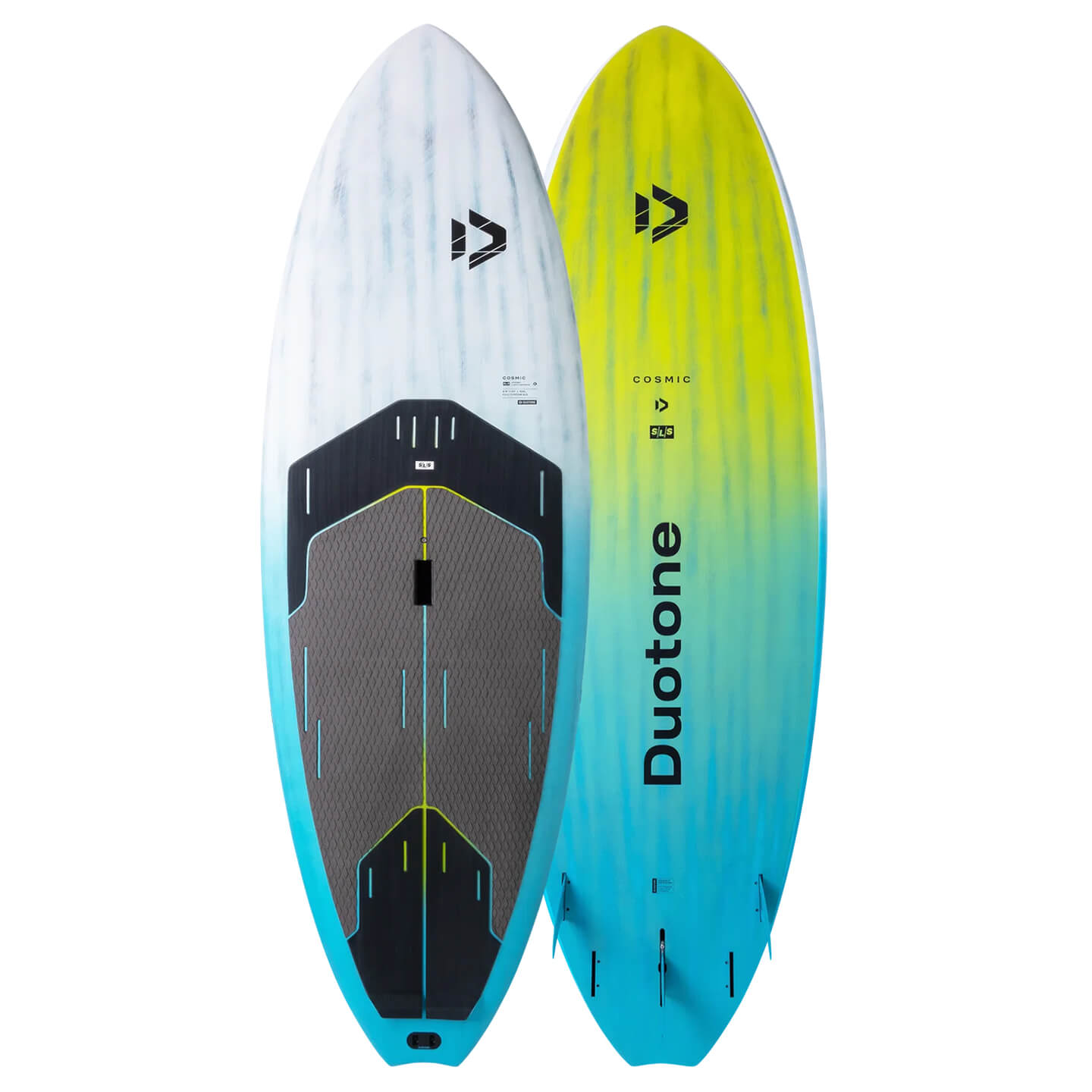
Attach the fin securely – Keep the board upside down until you’re ready to go to avoid damage.
-
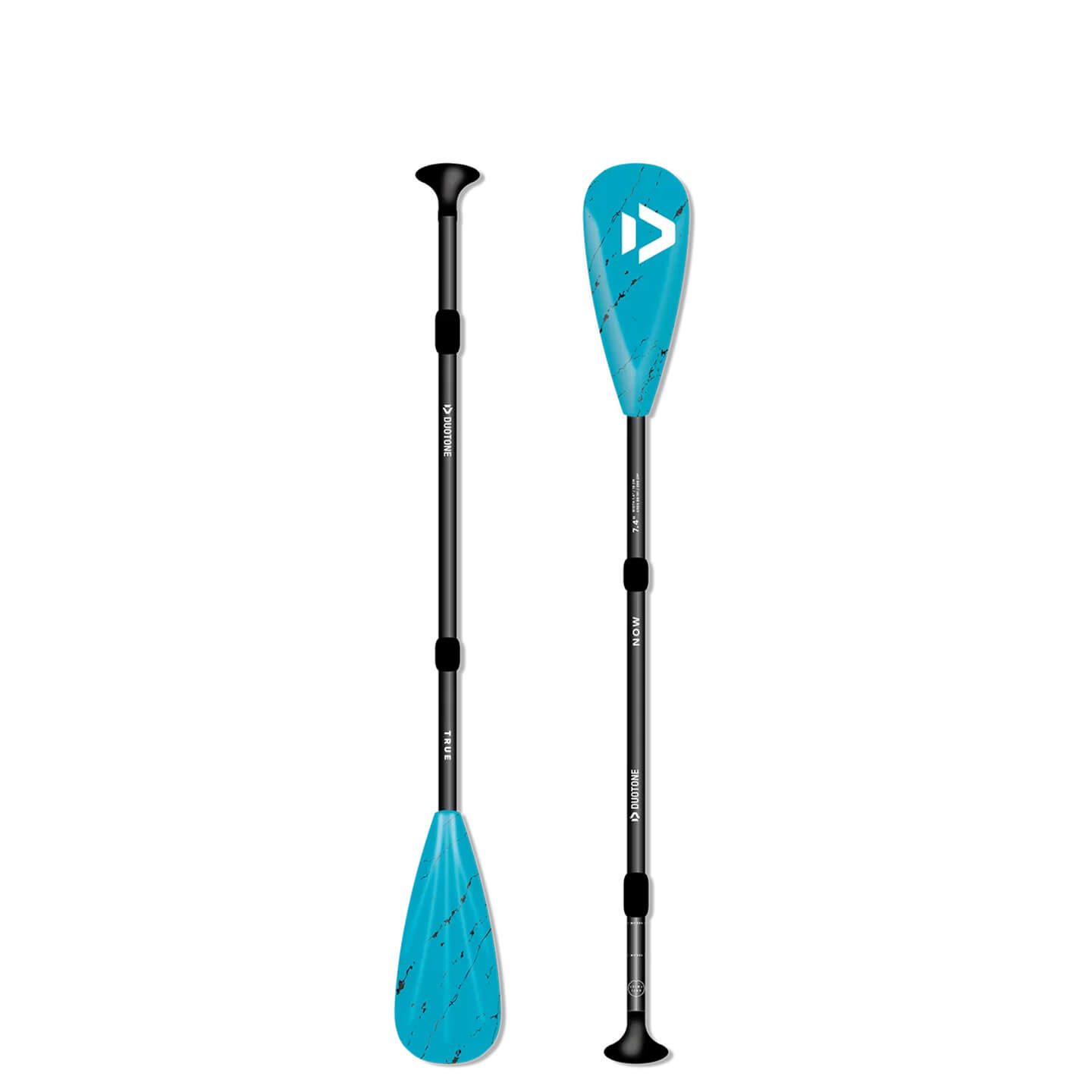
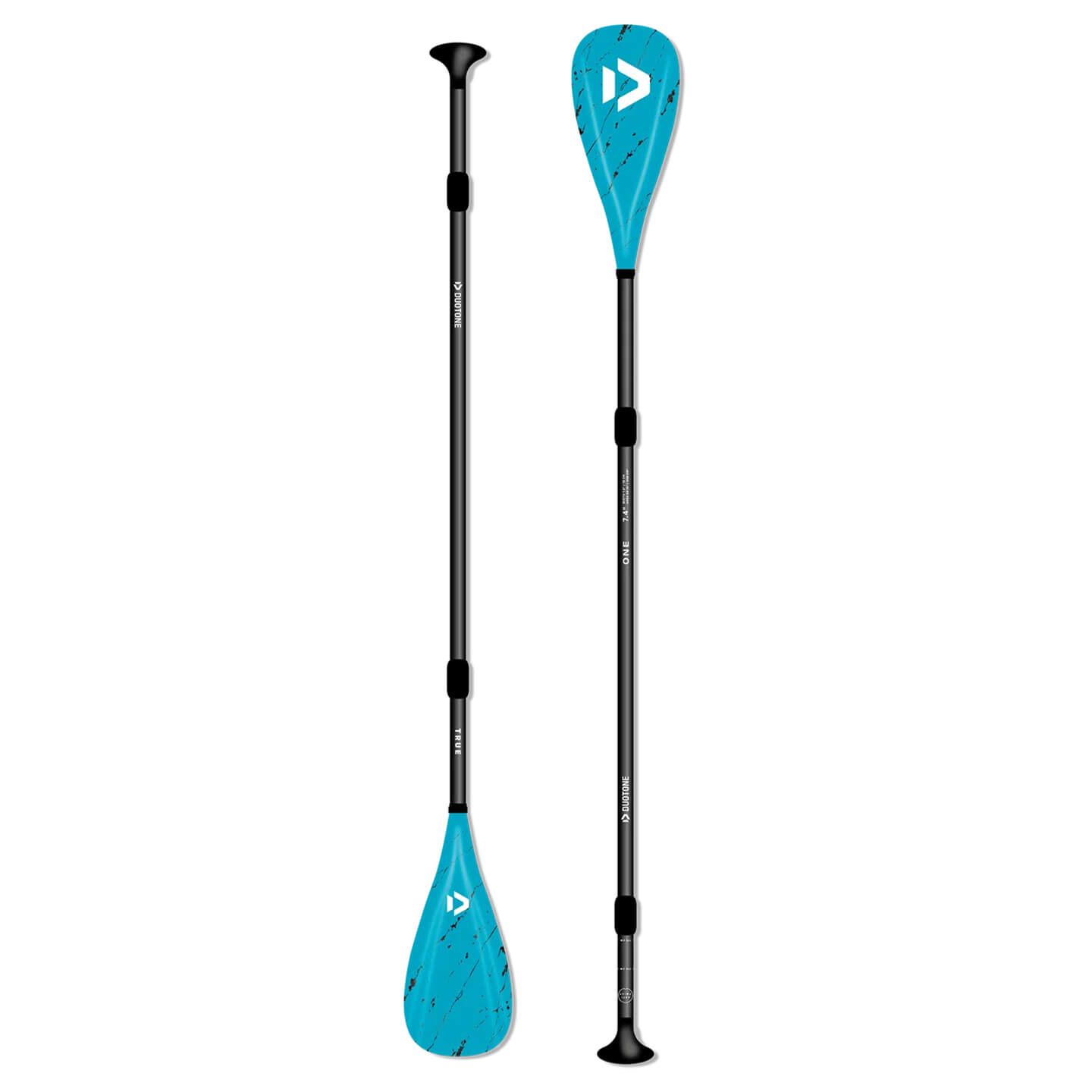
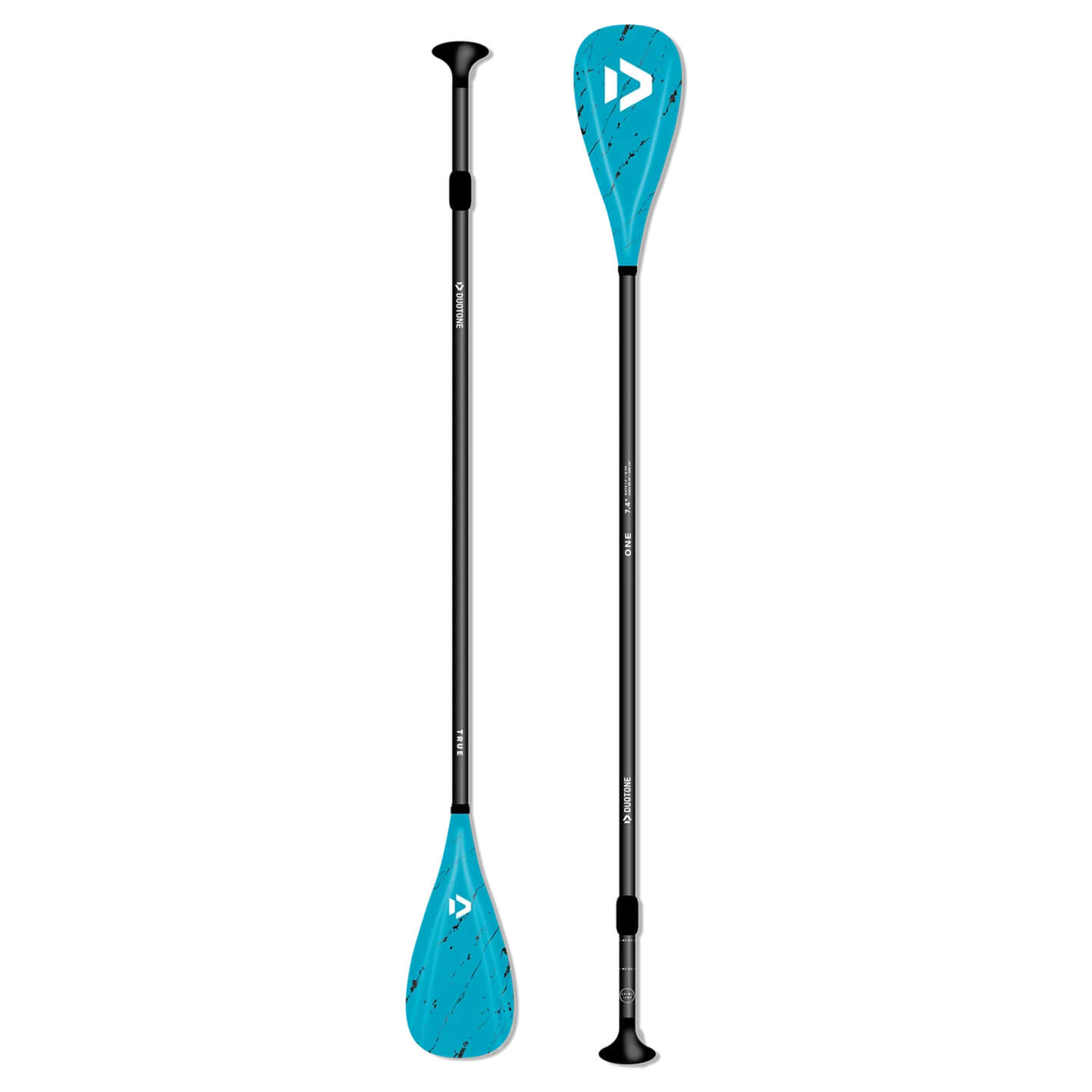
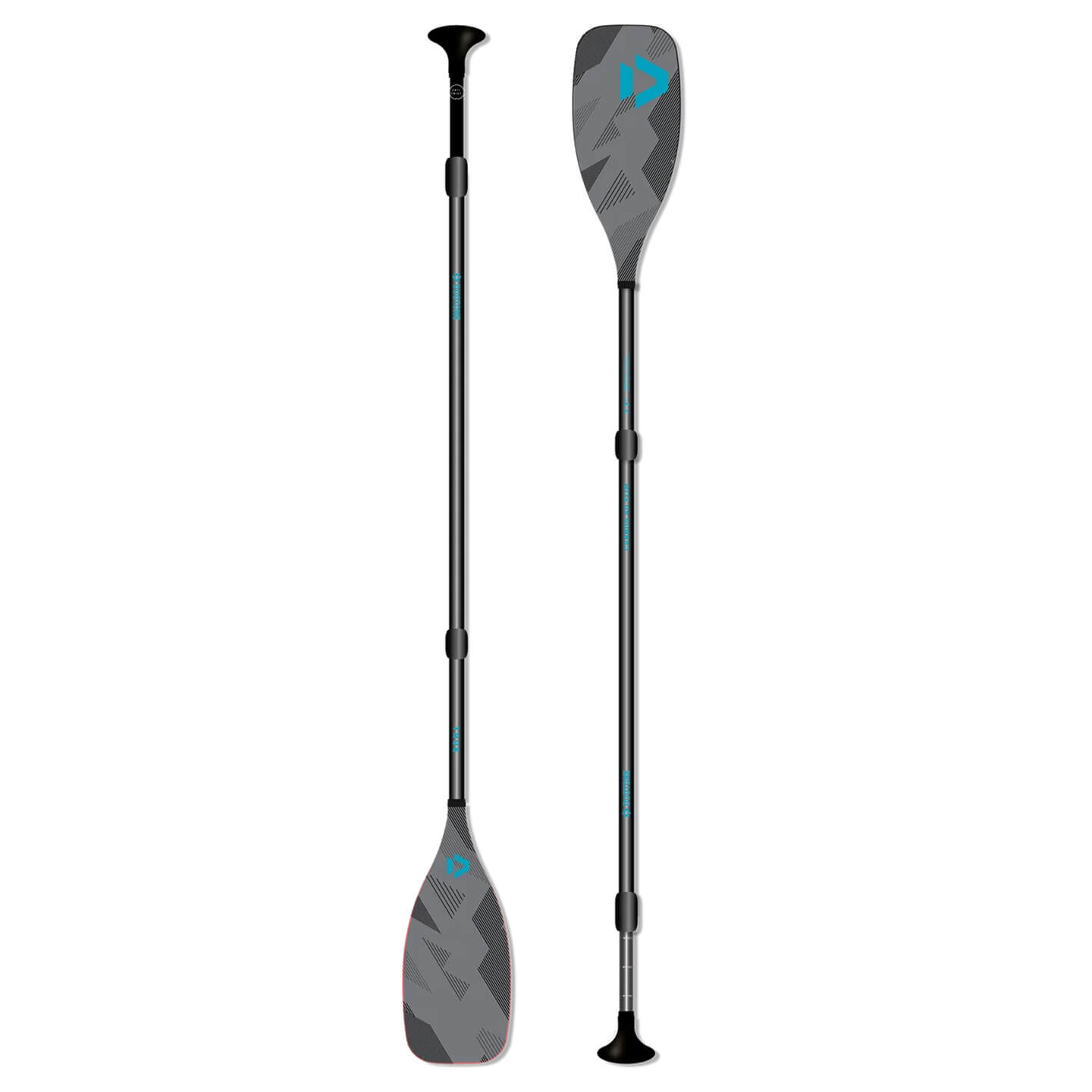
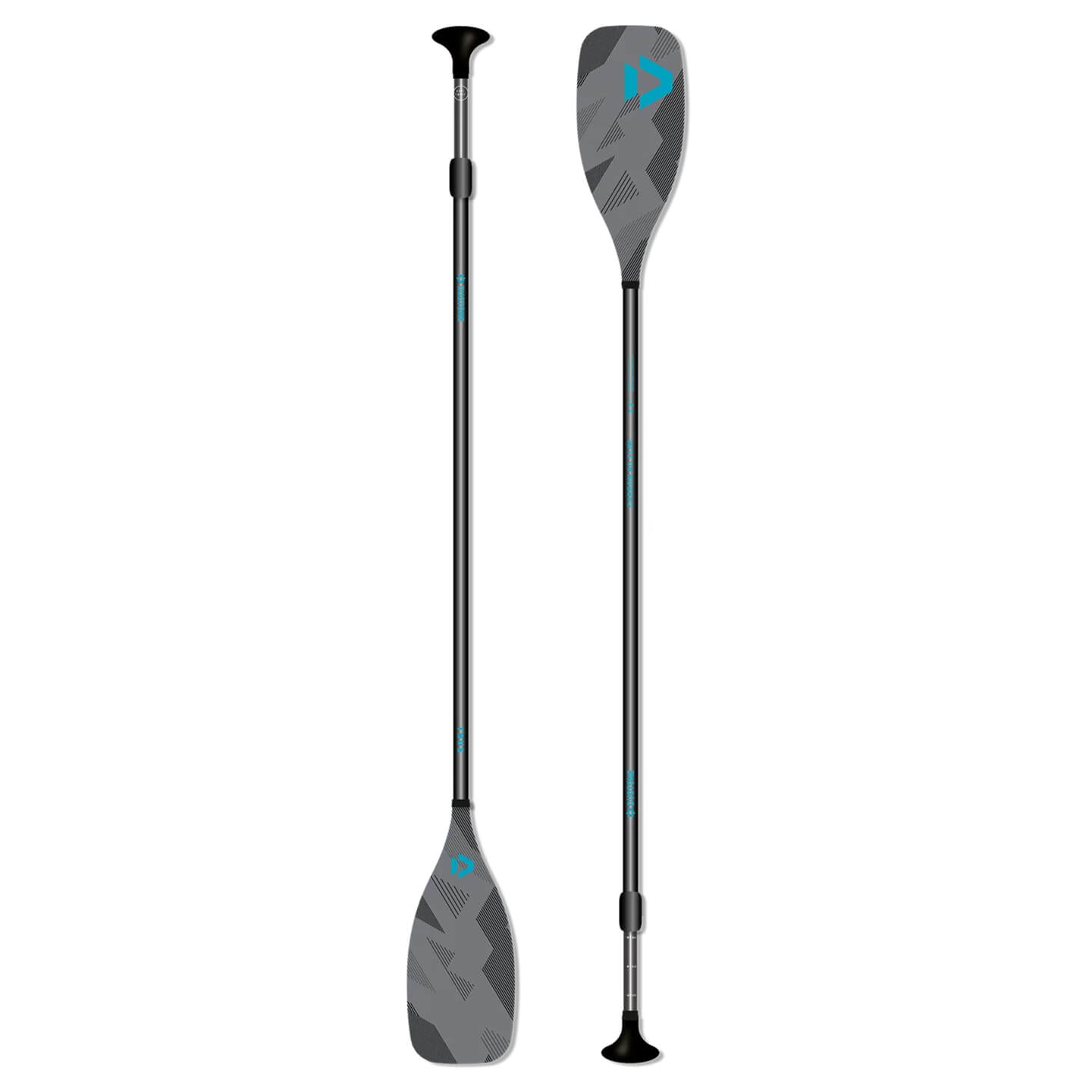
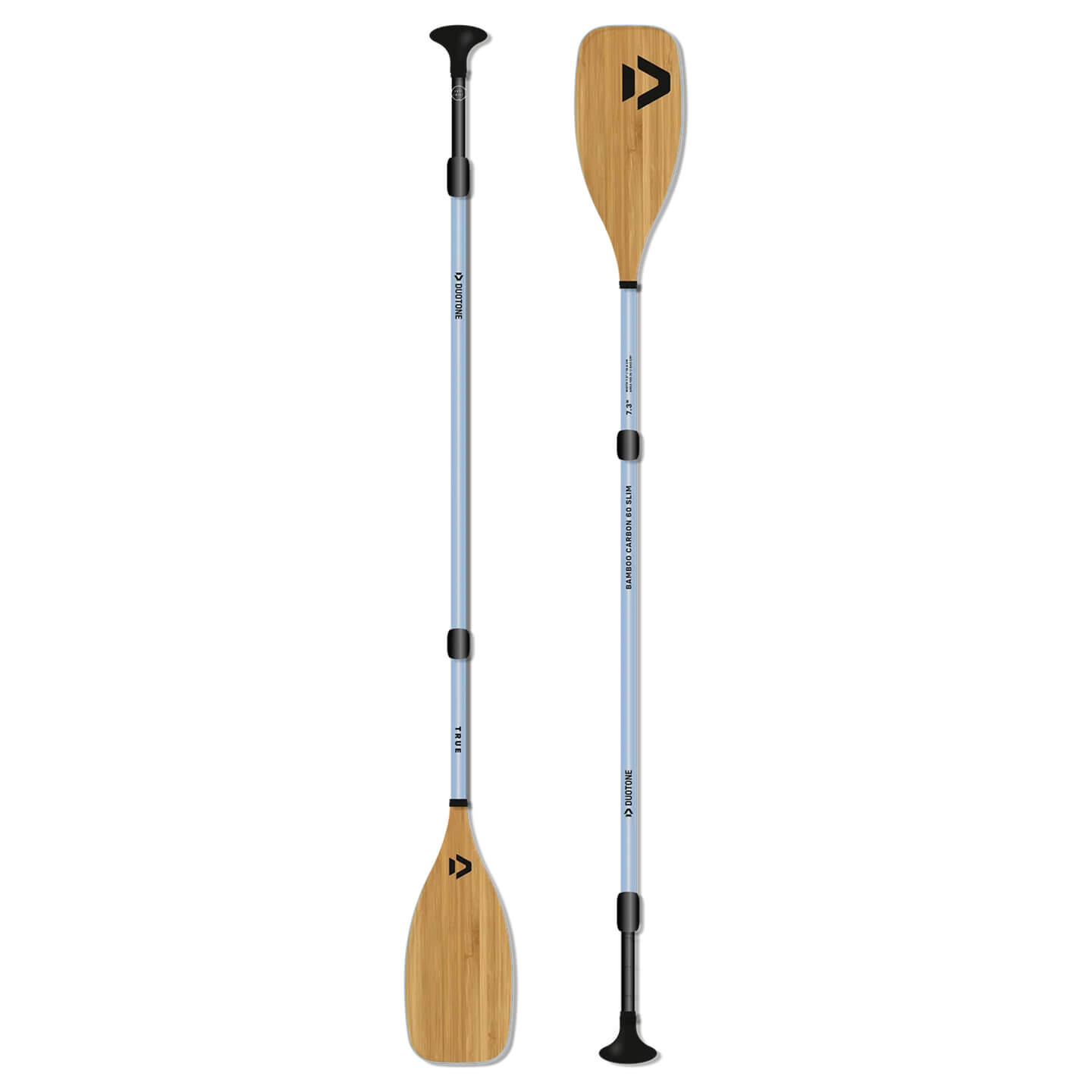
Adjust your paddle – When standing upright, the handle should reach your wrist with a slight bend in your elbow.
-
Carry the board safely – Use the centre handle, keeping the paddle in your spare hand.
Launching Safely
-
Choose a clear entry point free of underwater obstacles.
-
Walk into knee-deep water before placing your board down.
-
Start on your knees, positioned either side of the handle for stability.
-
Practice paddling in a straight line and making turns before standing.
When you’re ready, rise slowly to your feet with them shoulder-width apart. Keep your knees slightly bent and your head up to maintain balance.
Check the Weather First
Conditions can make or break your session:
-
Best conditions: Calm, light winds with little to no chop.
-
Wind awareness: Offshore winds may look calm near shore but can push you out to sea, making it difficult to return. Choose sheltered locations if it’s breezy.
-
Safety tip: Avoid strong winds until you’re experienced and always check the local forecast before heading out.
Basic Paddle Technique
Good paddle board technique helps you move efficiently and stay balanced:
-
Hold the paddle the right way: The blade should angle forward when vertical.
-
Correct grip: Top hand on the handle, lower hand a third to halfway down the shaft. A quick check is to place the paddle overhead—hands should be slightly wider than shoulder-width with elbows at 90°.
-
Switch hands when you swap sides to keep strokes smooth and balanced.
-
Keep strokes close to the board’s rail to travel straighter.
SUP Stroke Breakdown
Every stroke has three simple parts:
-
Reach – Extend the paddle forward, bending slightly at the knees and hips.
-
Power – Submerge the blade and pull it back along the board’s rail while driving your hips forward and straightening your legs.
-
Recover – Lift the paddle clear at your feet, reset, and repeat.
Using your whole body—not just your arms—will make your strokes more powerful and less tiring.
Final Thoughts
Mastering the basics of paddle board techniques will help you paddle straighter, stay balanced, and enjoy your time afloat. With the right setup, awareness of weather conditions, and good technique, you’ll quickly build confidence and progress your SUP skills.
Content created by King of Watersports (KOW).