7 Jul 2025
Guide to Kitesurfing Competitions
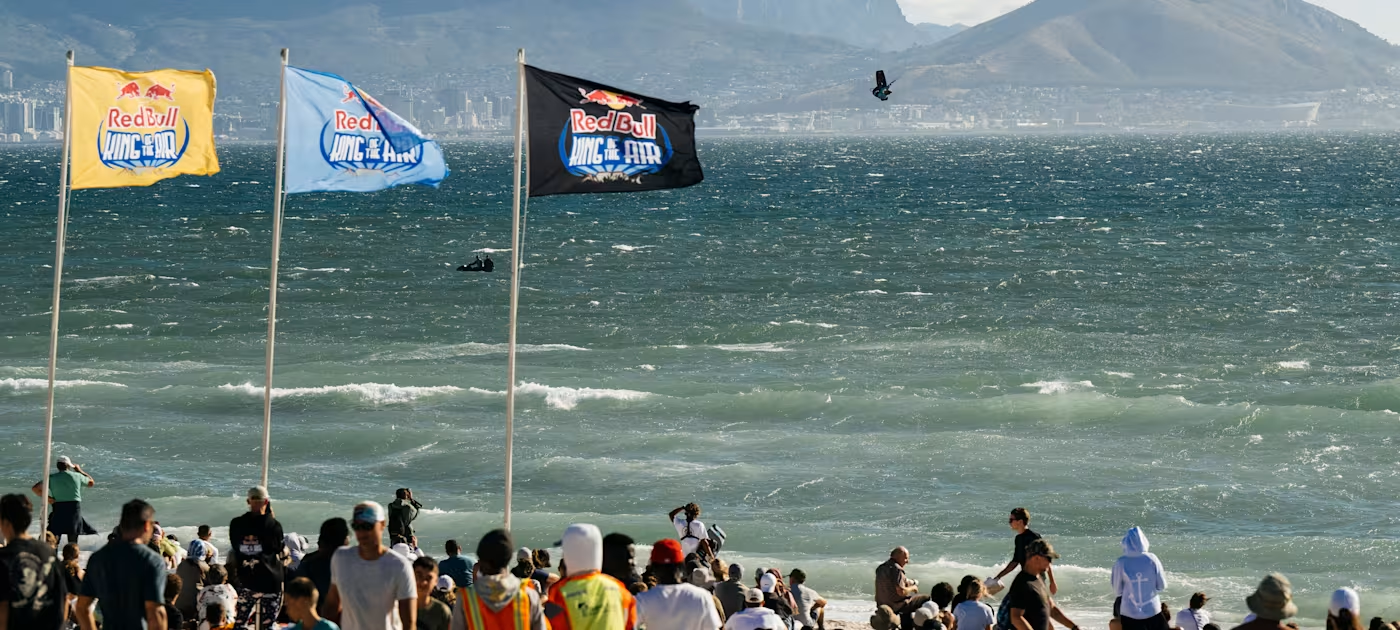
Kitesurfing is evolving faster than ever — and nowhere is that more visible than in competition.
From the legendary Red Bull King of the Air to the new Olympic kitefoil racing format, competition kitesurfing showcases the sport’s most daring riders, the latest technology, and the most extreme conditions on the planet.
Today, the landscape of competitive kiting is changing. The grassroots Big Air Kite League (BAKL) that once gave young riders a route to the top has been forced to pause due to lack of funding — but its influence remains, as Red Bull has stepped in to create an official global qualifying series for King of the Air. Meanwhile, the GKA World Tour continues to crown world champions across Big Air, Freestyle and Wave, and Olympic kitefoil racing is reaching new heights of speed and precision.
Let’s take a look at how the competition scene looks in 2025.
The Main Kitesurfing Disciplines
Competitive kitesurfing is split into four main disciplines, each with its own skillset and conditions:
-
Big Air – huge jumps, loops and amplitude-focused tricks in strong winds.
-
Freestyle – technical handlepasses and powered tricks in flatter water.
-
Wave – pure surf-style riding using the kite only for positioning.
-
Racing / Kitefoil – course racing at incredible speeds on hydrofoil boards.
Events are held year-round in locations chosen for their wind reliability and unique riding conditions. Since wind is unpredictable, most events have multi-day “wind windows” to ensure the best possible conditions.
Red Bull King of the Air – The Pinnacle of Big Air
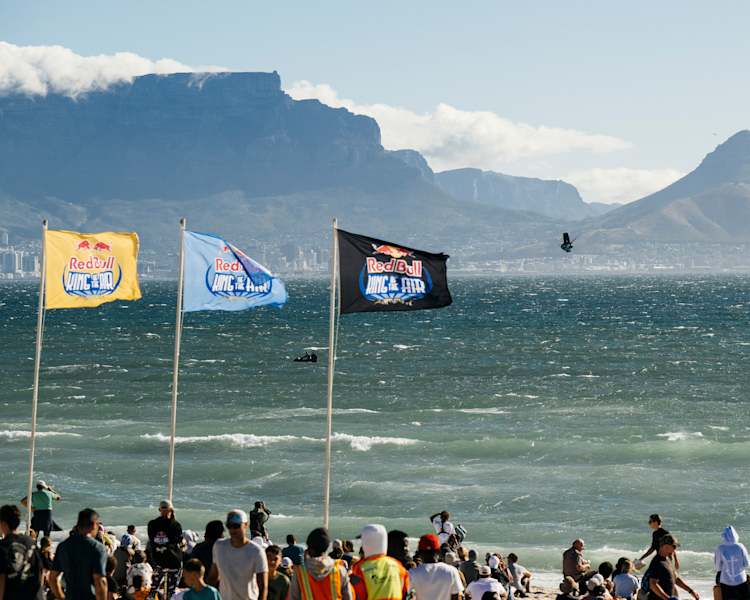
Still the most prestigious event in the sport, Red Bull King of the Air (KOTA) in Cape Town, South Africa, is where legends are made.
Held annually in winds exceeding 25–40 knots, riders battle in a knockout format judged on height, extremity, execution and innovation.
Recent years have seen a youth movement take over, with riders like Lorenzo Casati, Jamie Overbeek and Andrea Principi dominating podiums before even turning 20. Their fearless style has pushed progression to new levels, combining double loops, contraloops, and technical board-offs in storm-force conditions.
For 2025, Red Bull has expanded its footprint, sponsoring a new series of international Big Air events — including Tarifa, Cape Town, and Cold Hawaii — that serve as official qualifiers for KOTA. This system gives more riders a pathway to compete at the world’s most iconic event.
The Rise and Pause of the Big Air Kite League
The Big Air Kite League (BAKL) was created by riders, for riders, and quickly became the breeding ground for the next generation of Big Air talent. With stops in Tarifa, Cape Town, and Hood River, it gave unknown riders the chance to battle against the pros and get noticed by major brands.
However, despite its success and rider-driven community, BAKL announced a halt in 2024 due to financial challenges. Sponsorship and logistics costs proved difficult to sustain without major backing.
Its legacy remains clear — nearly every top Big Air rider today, including KOTA finalists, cut their teeth on the BAKL tour. The good news is that Red Bull’s new global qualifying structure continues that mission, giving riders a direct route to the top once again.
Red Bull Megaloop – When the Storms Hit
Held in Zandvoort, Netherlands, the Red Bull Megaloop only runs when conditions exceed 35 knots average wind. It’s one of the rarest and rawest kitesurf events on the planet, waiting months — sometimes years — for the perfect storm.
The format rewards power, commitment, and risk, with 70% of scoring focused on the strength and extremity of a single megaloop, and 30% on execution and flow. After several years without suitable conditions, the event made a return window in 2024 and remains one of the most extreme tests in kitesurfing.
Cold Hawaii Games – Denmark’s Wild Card
Held in Klitmøller, Denmark, the Cold Hawaii Big Air event is as rugged as it sounds. Grey seas, freezing winds and stormy skies set the stage for some of the biggest loops of the season.
The competition uses riders’ top three scoring jumps per heat, with judges looking for height, extremity, and style. Cold Hawaii has grown into one of the most respected stops on the Red Bull Big Air Qualifier Series — proving that “tropical” isn’t a requirement for world-class kiting.

GKA World Tour – Freestyle, Wave & Big Air
The Global Kitesports Association (GKA) World Tour remains the most comprehensive international tour in kitesurfing, covering Freestyle, Wave, and now Big Air disciplines.
Backed by Qatar Airways, the GKA tour brings together elite riders in world-class locations including Tarifa, Cabo Verde, and Brazil.
The tour crowns male and female world champions each year, and the GKA Big Air World Championships have now become a recognised feeder for Red Bull’s top-tier events — uniting the professional scene under one global umbrella.
Kitesurfing at the Olympics
Kitesurfing will make its Olympic debut in Paris 2024, featuring foil course racing using the high-speed Formula Kite format. Riders will compete for medals in separate men’s and women’s classes, flying kites up to 21m in winds as light as 7–8 knots, and reaching speeds over 40 knots in stronger breeze.
Each country’s best riders have had to qualify through the Formula Kite World Series and IKA events, making Olympic entry one of the most competitive achievements in the sport. With kitesurfing now part of the Olympic Games, it cements the sport’s status on the global stage.

The Future of Competitive Kitesurfing
From the grassroots rise of the BAKL to the Red Bull global Big Air Qualifiers, and the Olympic debut of foil racing, 2025 marks a new chapter in the evolution of competitive kiting.
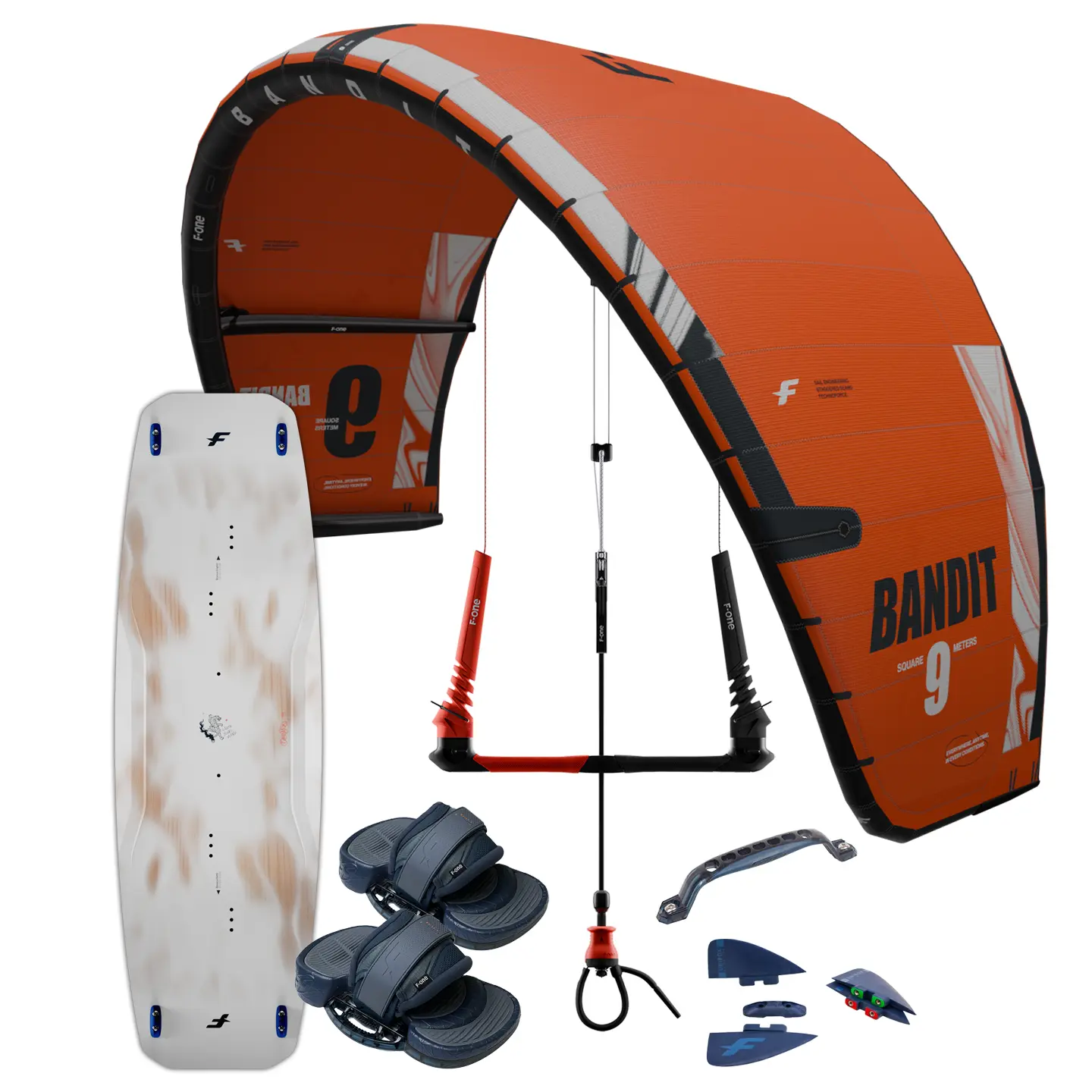
Whether you’re inspired by the massive loops of Cape Town or the tactical speed of foil racing, one thing remains true — you can ride the same gear as the pros.
Explore the latest competition-ready kites, boards and foils at King of Watersports and see what the world’s best are riding today.