6 months with the Duotone Foil Assist Review- What you need to know
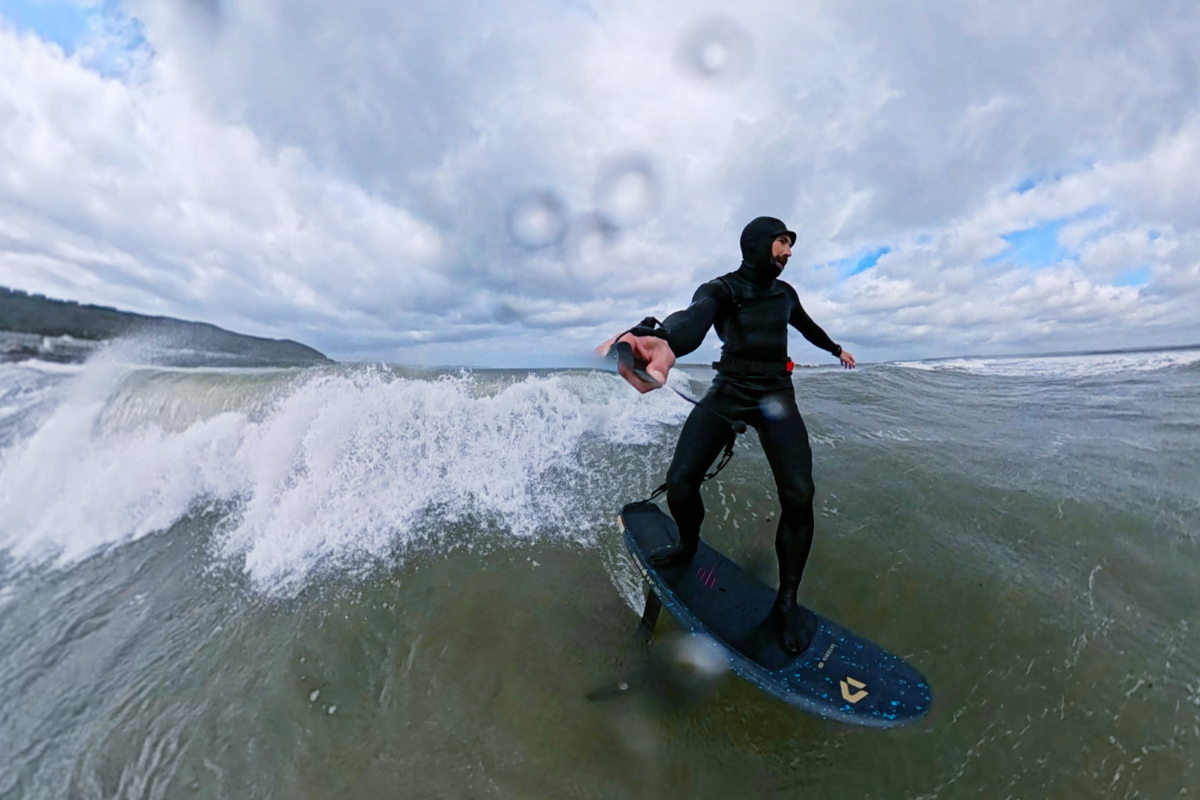
After 6 months with the Duotone Foil Assist we are no longer just sampling the kit, we have tried it in different locations and in different conditions with both good and bad sessions now under the belt so we thought we would share our thoughts with an in depth Duotone Foil Assist Review.
I have a decent level of foiling from kite, wing and parawing so the transition on to the foil assist did not take long and quickly began to feel in control and catching a few waves but I was not efficient and my rides were short. My prone foiling level is low and although I can catch a wave in pop up and carve some gentle turns and pump between waves occasionally if the condition are favourable I feel this is my weakest foiling activity having not put the time or effort in to get good. With a family and other foiling sports taking priority I had become disillusioned with surfing locally as good conditions were rare and when the stars aligned busy line ups of varying levels of locals grumpiness put me off and this carried over into prone foiling. This is why the foil assist appealed to me – the ability to catch waves where others couldn’t.
Setup
I’ve been using the Skybrid SLS 5’2 45L and not any of the Midfish range of boards. This is only as I didn’t want another board in the quiver, the Skybrid is my 20 knot + wing board, that I’ve also parawinged and also prone foiled (without lithium). Setup is key to any of these things and what I like most about the Foil Assist is that I can charge the batteries the night before a session then go to the beach attach the foil assist mast to my board and jump straight into a session. So I want simplicity.
I wanted simplicity, and that’s exactly what it delivers. Setup is quick and straightforward: attach the mast and front wing as normal, then secure the battery harness using the plug connection and carabiner leash. Finally, route the cable neatly along the rear of the mast, fixing it in place with the Cable Fastener, which mounts into the board’s foil track using M6 track nuts and bolts for a clean, flush finish. Essentially the only difference between setting this up and a standard Duotone foil is the cable. Two extra nuts/bolts in the foil track, attach cable/leash to board leash point and lastly plugging the battery harness into the cable.
The foil assist kit also comes with some sticky 3M tabs and reusable cable ties so that you can run the cable up the back of the board to help give it direction to the harness around the tail of the board. This has not worked for me on the Skybrid and have now used all the sticky tabs that were supplied. The sticky tabs have each peeled off the board during the session and been left hanging onto the cable with the cable tie. The Skybrid has a very slight V tail and some curve where as the tabs are flat and plastic so I believe this is incompatible. Thankfully I’ve found its not really needed as the leash attachment is solid and with an extra bungee in the leash attachment stops the cable yanking at the mast. The Midfish Tail is definitely the neatest option for this.
The whole setup is maybe 2 minutes longer than setting up any other foil. Then drop the batteries in the case, turn them on and lock it closed. You then put the watch/controller on and you are all set. Top tip: Check that everything is connected and working as soon as you’ve setup and then turn the watch off to walk down to the waters edge. This eliminates the risk of accidentally engaging the propeller as you carry the board. I usually walk to about waist deep into the water flip the board the right way up and then turn the watch back on.
The only difference in setup between aluminium or carbon is that the aluminium has the option of a different mast foot to accommodate other brands fuselages, this means a few more screws but is all simple enough.
I have swapped from the supplied plastic propellers to the stiffer and more power efficient aluminium SLS 2 blade propeller and felt that it gave more torque and got me up on smaller foils quicker which in turn then extended my battery life for a session as I don’t have to go as high into the gears to get foiling.
Real World Battery Life
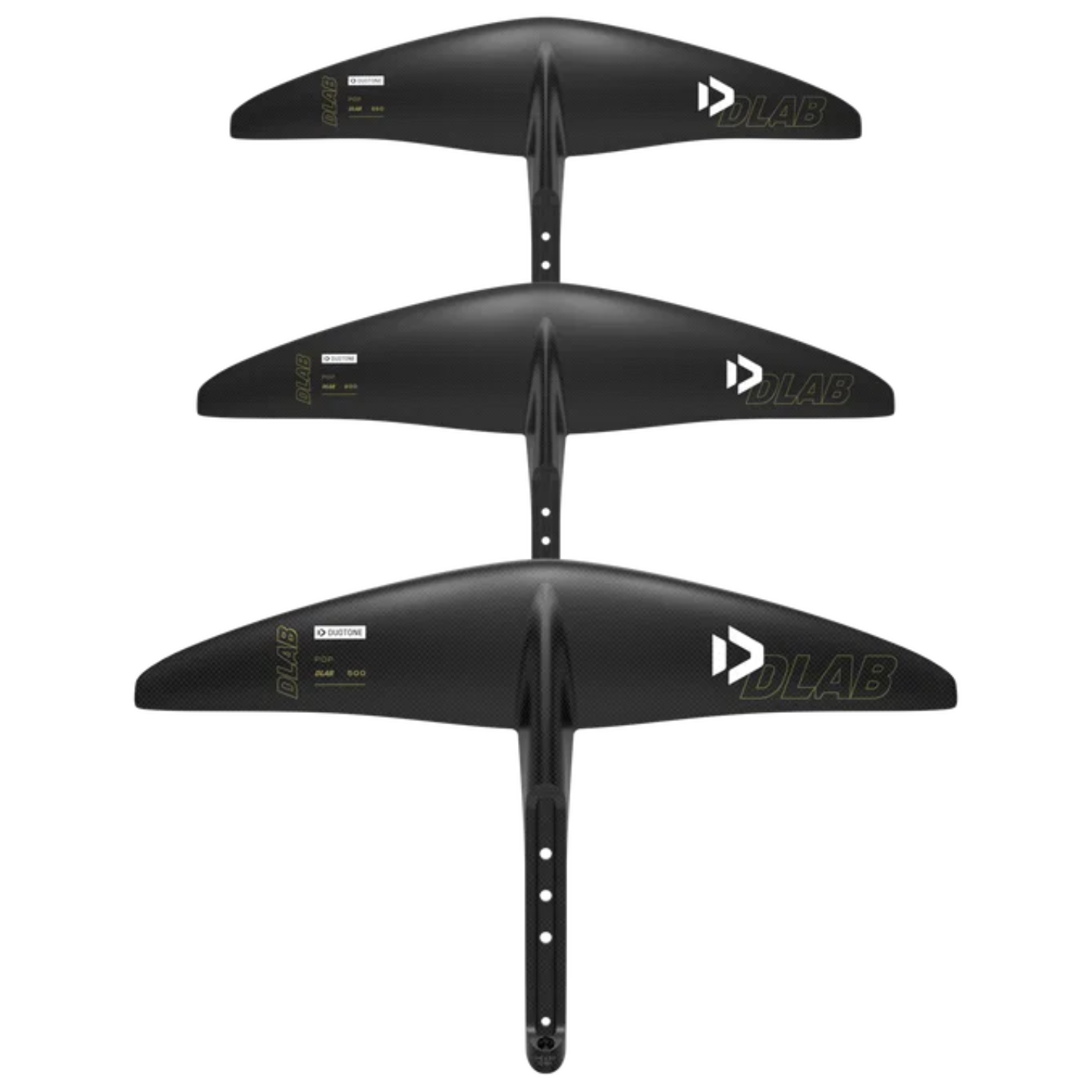
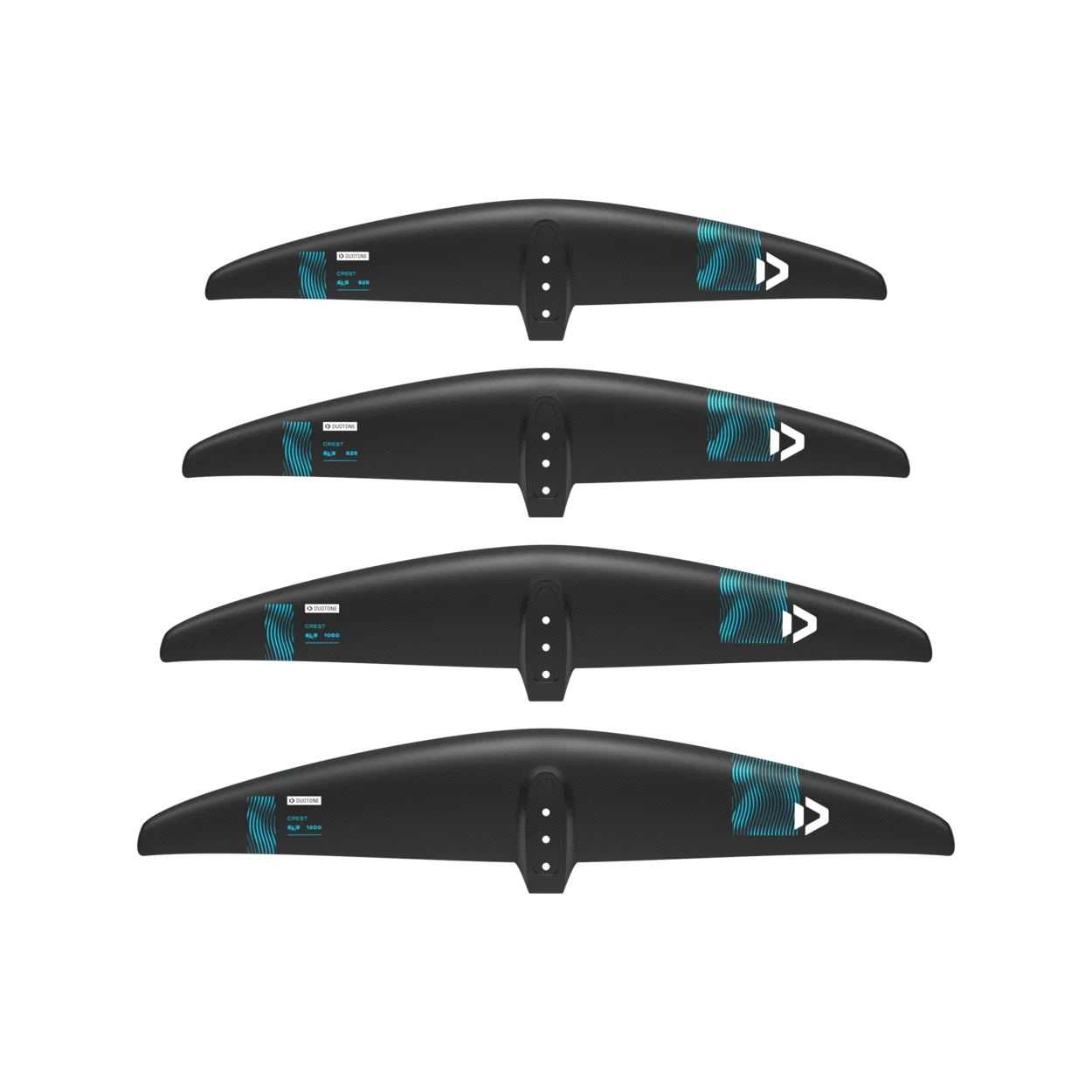
Battery life has varied on conditions I have mainly used the 800cm² Crest and found that my time in the water on one set of batteries has varied from 45 minutes to about an hour and 15 mins. You may think that 65% increase in time is wild but it varies on the conditions and setup hugely. My longest one battery set session at 1hr 15mins was riding swell/ waves just off the beach on a sand bar and the furthest out I motored was about 50m in glass flat water I was also on the larger 1050cm² Crest which foils earlier. My shorter battery life sessions have been either a longer motor out (about 1km to the outside waves) or more hectic conditions with more water white to power though.
I’ve also learnt to be more battery efficient The first few sessions I was fairly “trigger happy”, chasing every peak no matter if it was a closeout wave or trying to edge out a bit further than the wave really allowed and having to motor back in before the wave was actually rideable.
45 mins is the minimum I get and that results in 7 – 10 decent ridden waves. If you pump game is strong and you are able to pump back out to sea then ride another wave then you will be riding more waves with less battery usage and surely that is the goal in smaller waves.
Causing Problems
My biggest concern to begin with was being hated. Rocking up to any break with a foil has me on the back foot but add a motor into that equation and people, rightly are going to be concerned. I’ve seen first hand in other water based sports people not knowing what they are doing and unknowingly cause injuries and damage. Waves that surfers frequent have been invaded by every sport and anything that makes it easier to on a wave will rightly be viewed as cheating and all it takes is one person not knowing what they are doing or loosing control too close too others and injuries will happen but when you have a propeller and a foil its like bringing a samurai sword and meat blender into the line up.
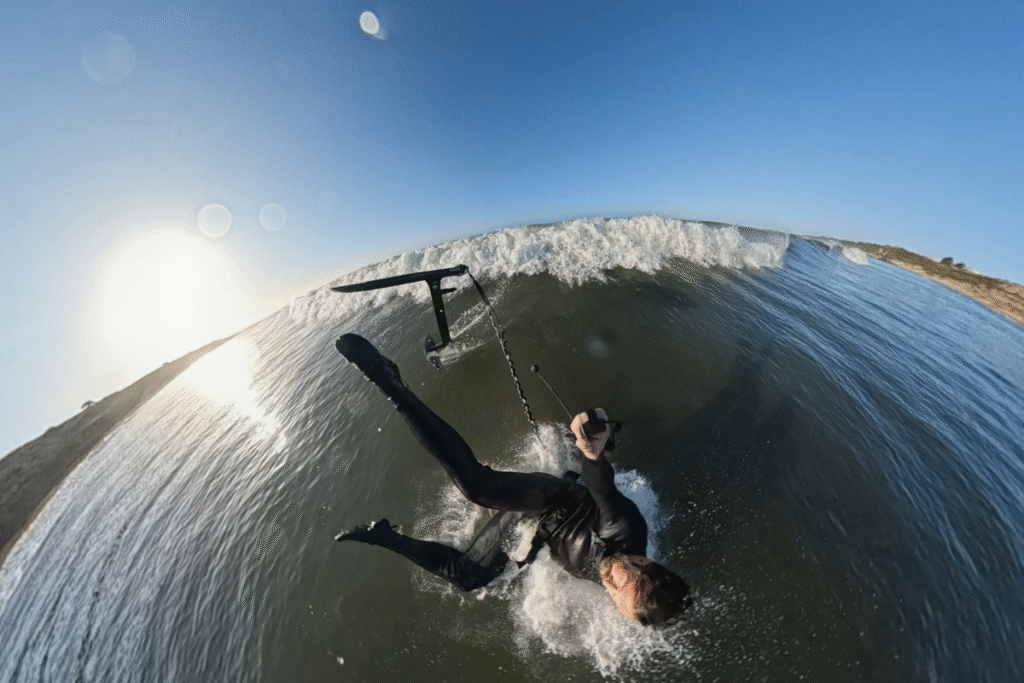
I’ve used the foil assist near some busy breaks but not in them. I think this is where the foil assist is in its element, being able to get on waves that aren’t rideable by others. Ive ridden blown out peeling waves, unbroken lines of swell as well as decent surfable waves that are too far out for most to want to venture out to. Being able to glide on a unbroken wave from way out back in towards the beach and peel off just before the close out is perfect in my mind – Fun carving turns with no one else around. A stand out session was at a well know beach in North Devon but on this day there was a lot of white water to get through and then 20+ knots cross offshore once you were out back pushing you further out to sea or making it hard to drop into the waves face for other forms of surfing. The foil assist ate it up and allowed me to get a solid hour of fun in without any others even close.
If you end up sharing a wave, you can foil assist there (unless local rules say otherwise). However, with a motor, you have no right of way. Although not exactly the same, think of it in powerboating and sailing terms – power gives way to sail. You have a motor and manoeuvrability so should be actively avoiding anyone else.
Although the foil assist can get you into a wave before everyone else, if you come from well outback on a line of swell and through a line up of other water users then you will be singled out. Again they are less manoeuvrable than you so steer well clear. You don’t need the peak of the wave to ride the wave/swell.
Maintenance
So far there has been no real maintenance required. A quick rinse down is the majority of it and battery management, I’ve been told, is key to keeping the batteries life in tact.
- Rinse down the whole unit (including watch) with fresh water after every session.
- Occasional marine grease – Take the propeller off and use marine grease to lubricate the stator. Put the propeller back on and rotate to distribute grease.
- When required, dielectric grease will help protect exposed electrics. The harness battery box attaches to the power cable via a plug and if you get it wet you should dry it thoroughly and dielectric grease will help protect it.
- Always store the batteries in storage mode – Never let you batteries sit fully empty or fully charged for extended periods of time. When charging Storage mode will optimally charge your batteries for storage. Put batteries in charger and push the buttons on the batteries to activate storage mode.
Storage mode on the batteries is about 50% full so if you put the batteries back in storage mode when not in use then you will not only keep the batteries in good condition but you will also have a much shorter charge time than charging from empty.
On the Water
I was soon catching waves, choosing days where swell sizes where small and beaches were I quiet. I put in a few hours and was soon rewarded with longer rides than I’ve ever had prone foiling. Still being cautious in choosing my location I found some bigger conditions in waves with no desire to anyone else. This allowed me to get a better understanding of how to get up, how to get on a wave and how to get off a wave. I’ve realised you can use the foil assist in different ways depending on the conditions.
- Motor out back and catch the lines of swell well before they are going to break
- A short blast of power to push you into a formed wave.
You will have decide your go to option but the later will extend your battery life especially if you paddle into position. Motoring from way out is super fun especially on days where the waves closeout near the beach or there is too much white water or current to sit in one position.
The harness does take a few sessions to get used to. With the battery pack on your back and the cable coming from the bottom you will notice it whilst sat on the board and if you sit a little too far forward and sink the nose it can be hard to regain balance without a swim, obviously this is a trivial issue. If you are looking to pump between the waves then you need to make sure the battery harness is snug and if you are already a proficient pumper then it will take a few sessions to redial your pump timing with the extra 3kg around your waist. Whilst motoring out or riding a wave it doesn’t take long to forget that its there and doesn’t seem to cause any issues with manoeuvrability.
The immediate shift in feel from motoring to wave power is incredible. The noise changes from from an electric whirring to that familiar slicing through water sound. With the motor pod integrated into the mast as standard the mast slices through the water even when you ride to low on the foil and the motor catches you can easily regain height on the mast without loosing too much speed and this is one of the skills you will be wanting to learn quick.
Being able to hop from motoring height to gliding on the foil is a skill best practiced in flatter water to start with. Timing it with a wave takes a little more practice and is easier on a small/medium sized wave but as most people will be coming from some kind of foiling background it wont take long to master. Riding high is a skill to be mastered whether you are riding waves, pumping or downwind swell.
The board weight for me is one of the biggest advantages of this setup. The D/Lab foil assist mast weighs around 3kg where as the standard D/lab mast comes in at around 1.9kg so the weight below your feet is only up by about 1 – 1.2kg which is surprisingly hard to notice all be it, I’m not throwing the most radical turns you’ve ever seen.
Six months on from getting the Duotone Foil Assist I have had more sessions on the water and opened up locations locally to me that I had only used with wind power in years gone by. I also went for a prone foil the other day with no motor and my skills there had improved. Instead of the frantic paddle, catch a wave and start pumping – I was more relaxed and comfortable on the foil in small waves and this has come from time in those conditions that the Foil Assist has enabled me to get this Winter. Overall the setup is quick and painless, battery life is enough to get a solid session in although you will soon want a second battery set and having let other people try it I can see that it really is accessible to anyone who already foils to an average standard.