7 Dec 2023
Kitesurfing 101: How to Stay Safe and Ride with Confidence
10 Things Every Kitesurfer Should Know
Safety first, progression second – that’s the golden rule of kitesurfing.
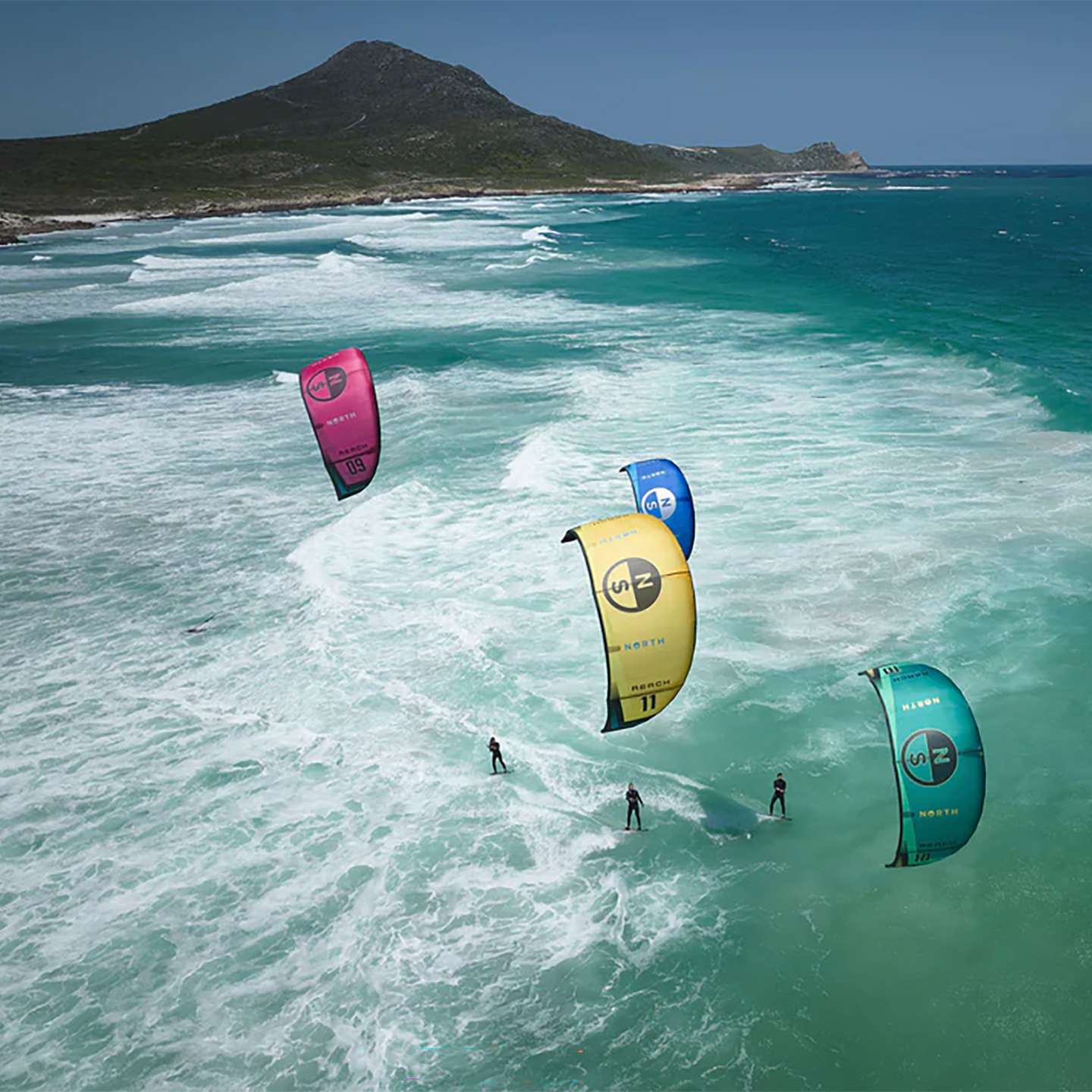
Whether you’re new to the sport or have been riding for years, there are some essential things every kitesurfer should know. Some are simple reminders, others are lifesaving habits — but all of them make you a safer, more confident and more respectful rider.
Kitesurfing is one of the most exhilarating watersports in the world, but it also demands awareness, preparation and respect for the environment and those around you. Here are the 10 things every kitesurfer should know before hitting the water.
1. Safety Comes First
Before anything else, prioritise safety — yours, and everyone else’s.
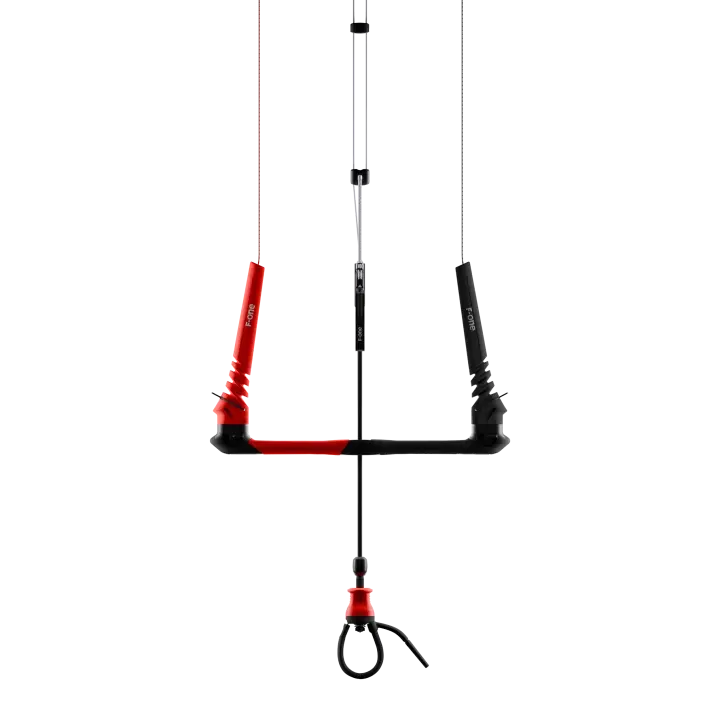
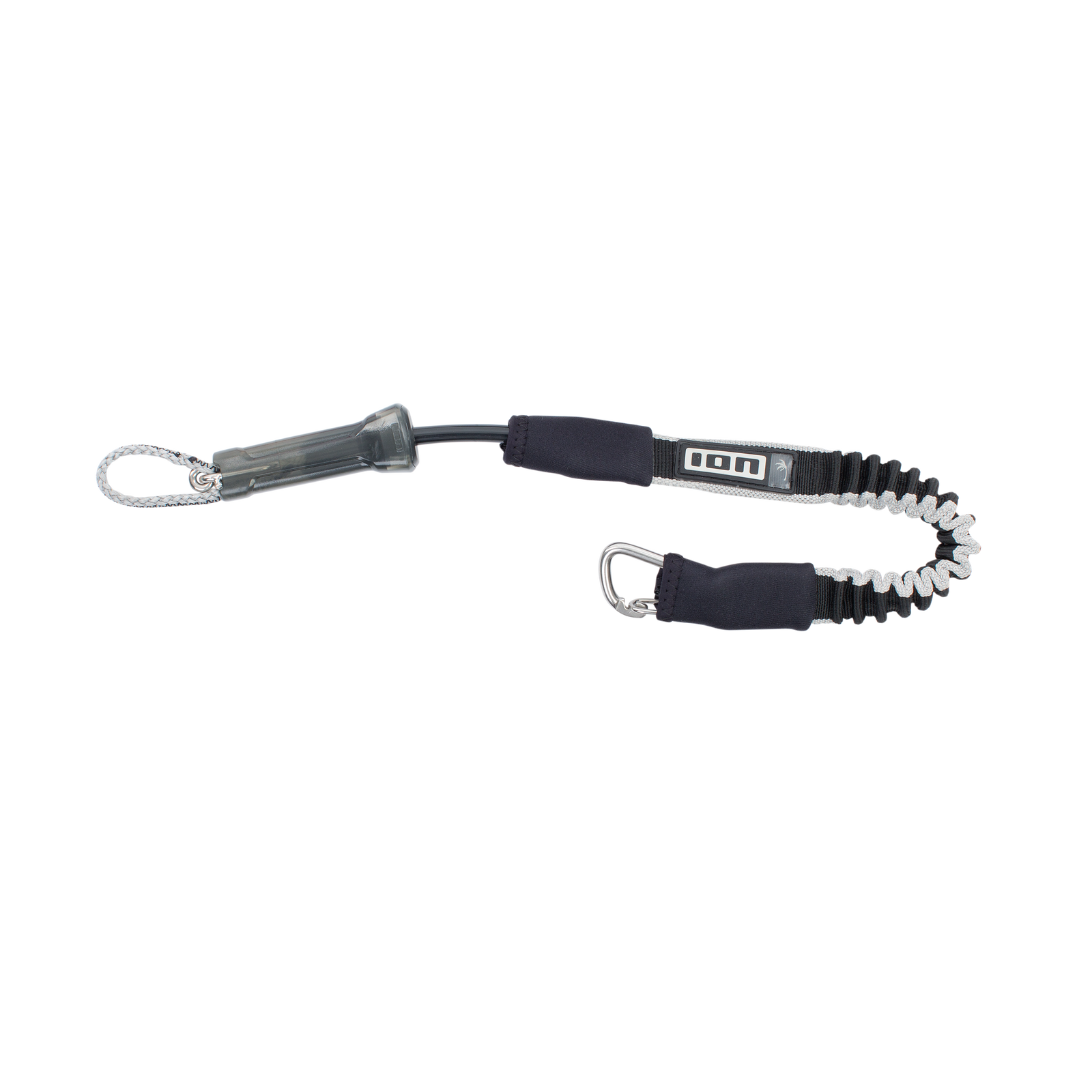
Always launch and land in clear areas, away from crowds and obstacles. Double-check your safety systems every session, and make sure you can release your kite instantly if things go wrong.
If you’re not 100% confident in your self-rescue skills, take a refresher lesson. The best riders in the world still practise safety drills — and that’s no coincidence.

2. Learn to Read the Wind
Understanding the wind is the foundation of kitesurfing. Check the forecast, direction, and gust levels before every session. Observe the wind at the beach — look at flags, waves and other riders. Offshore or cross-offshore winds can be dangerous, while side-onshore winds are generally the safest for learning and riding.
Use apps like Windy, Windguru or XCWeather to plan your sessions, but always confirm what’s actually happening at your spot.
3. Choose the Right Gear for Your Level
The right equipment will make your sessions safer and more enjoyable.
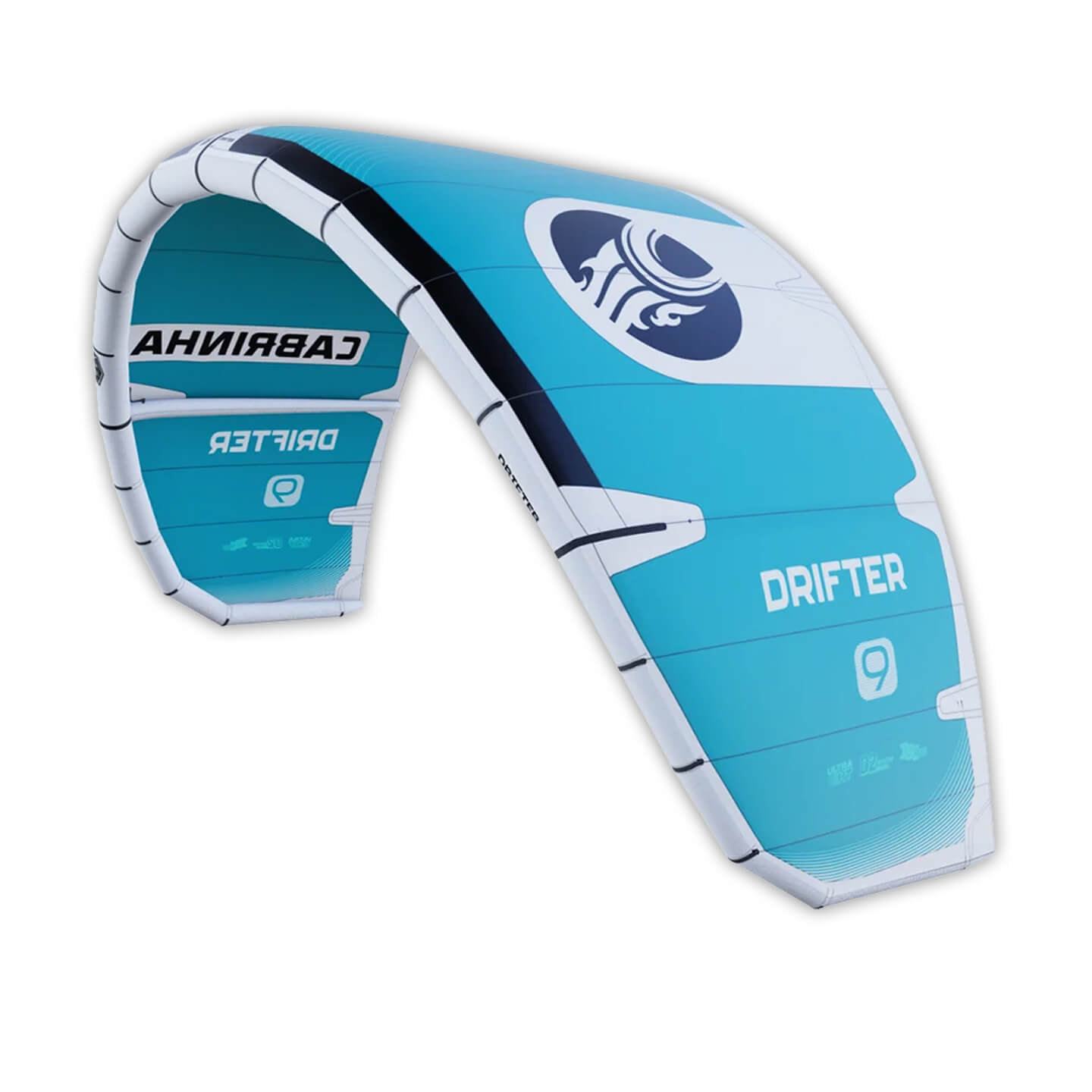
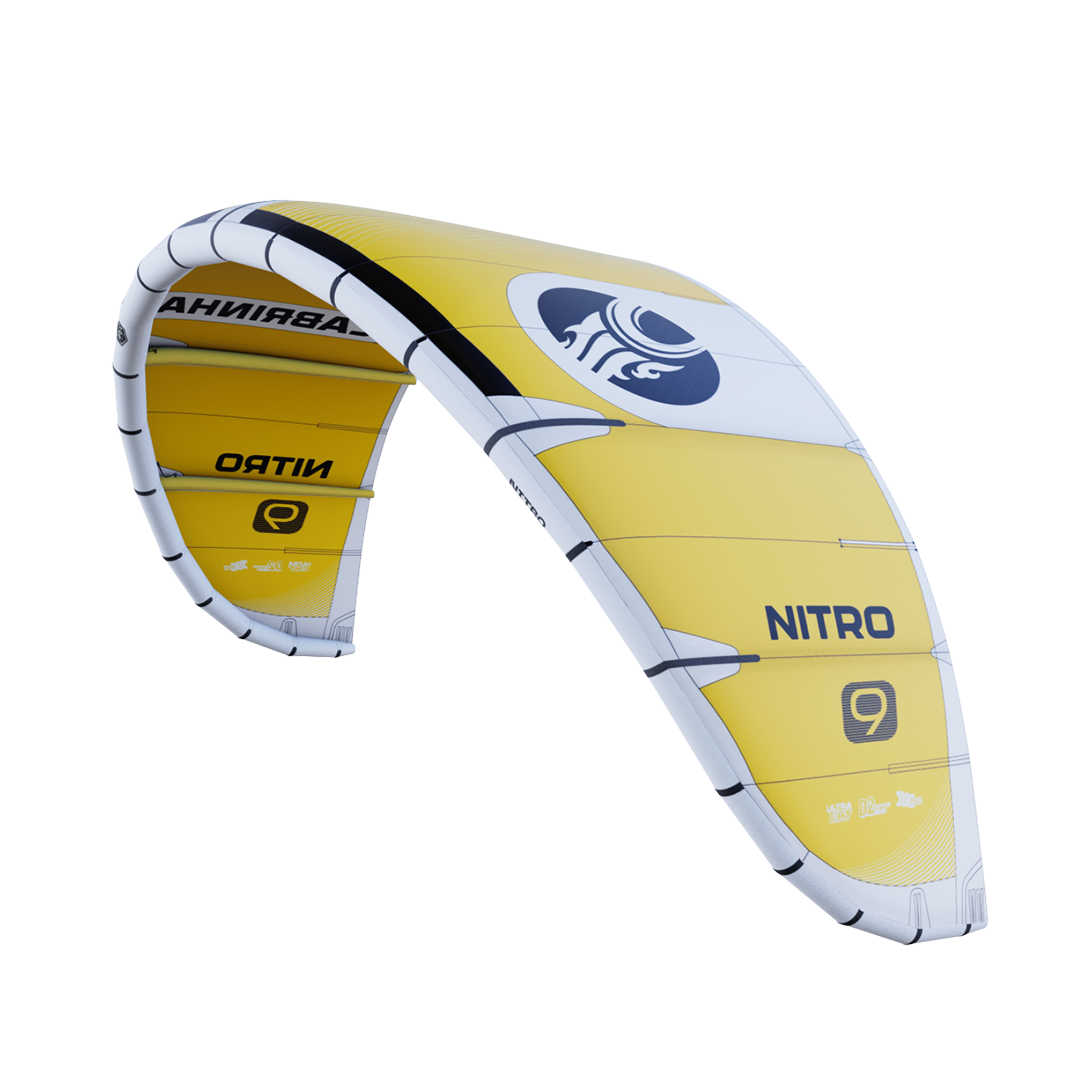
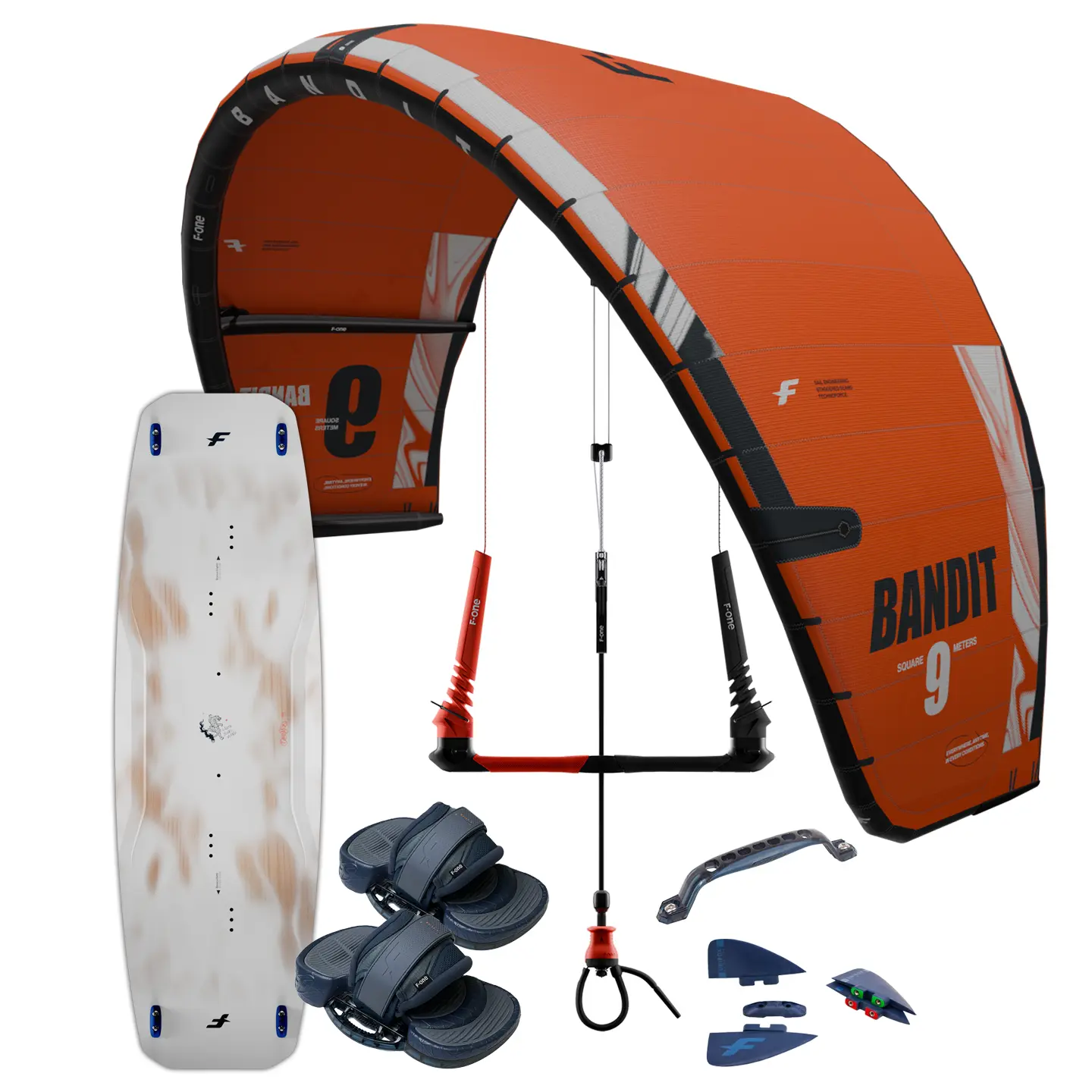
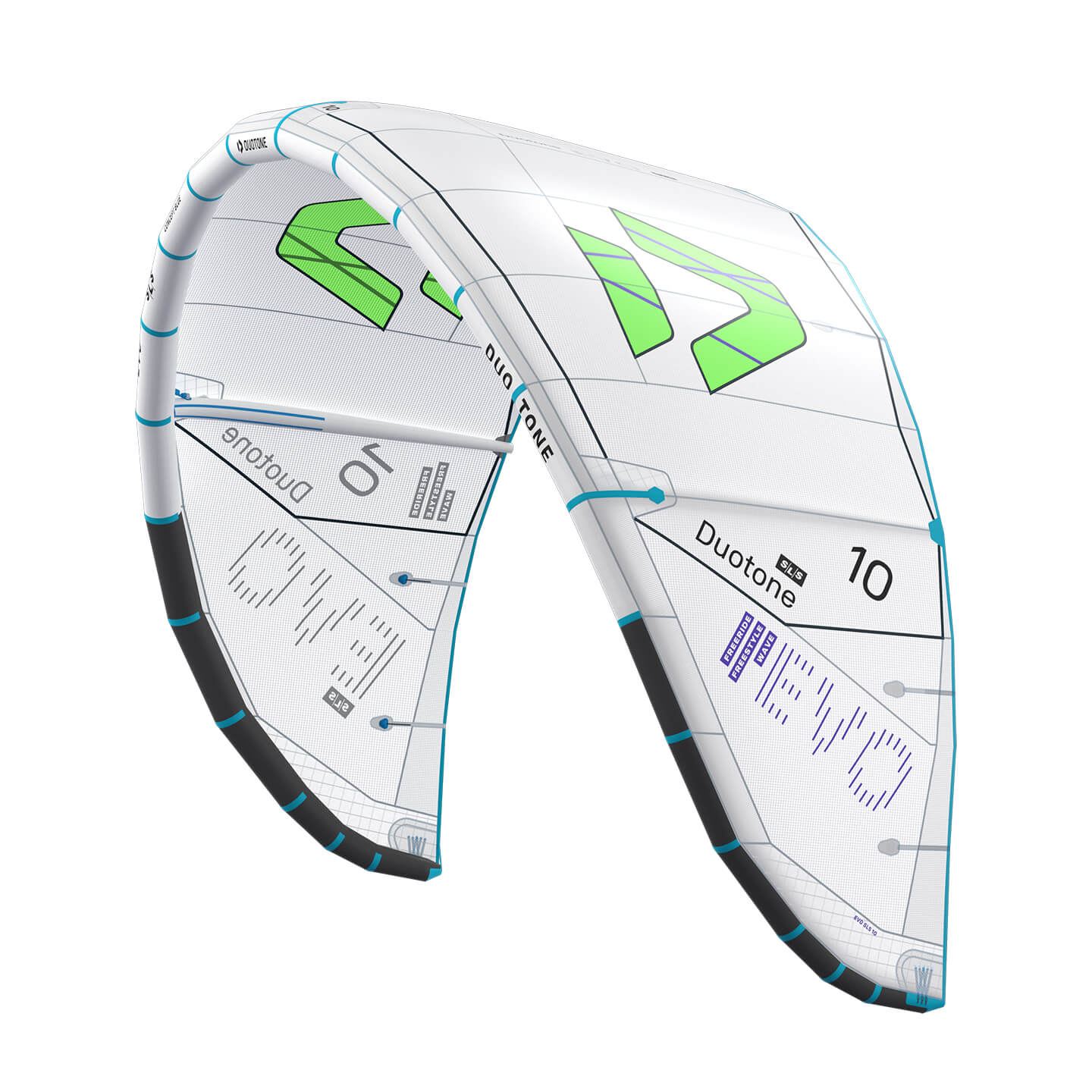
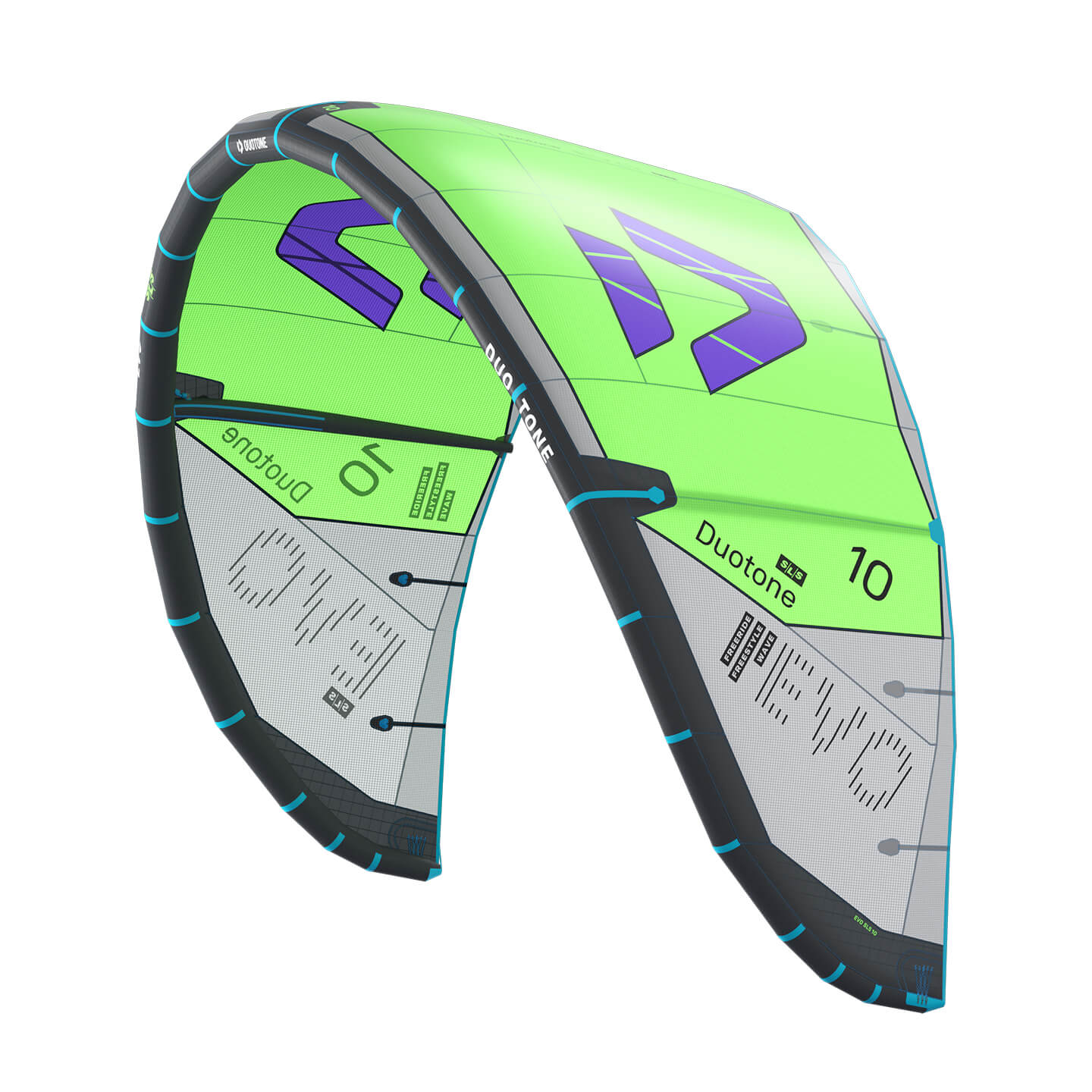
Choose a kite size and model that suits your skill level and the day’s conditions. Beginners should focus on all-round freeride kites with easy relaunch and stable handling, while experienced riders can explore specialised kites for Big Air, Wave or Foil disciplines.
Carry a kite line knife in your harness. It could come in handy for you or someone else.
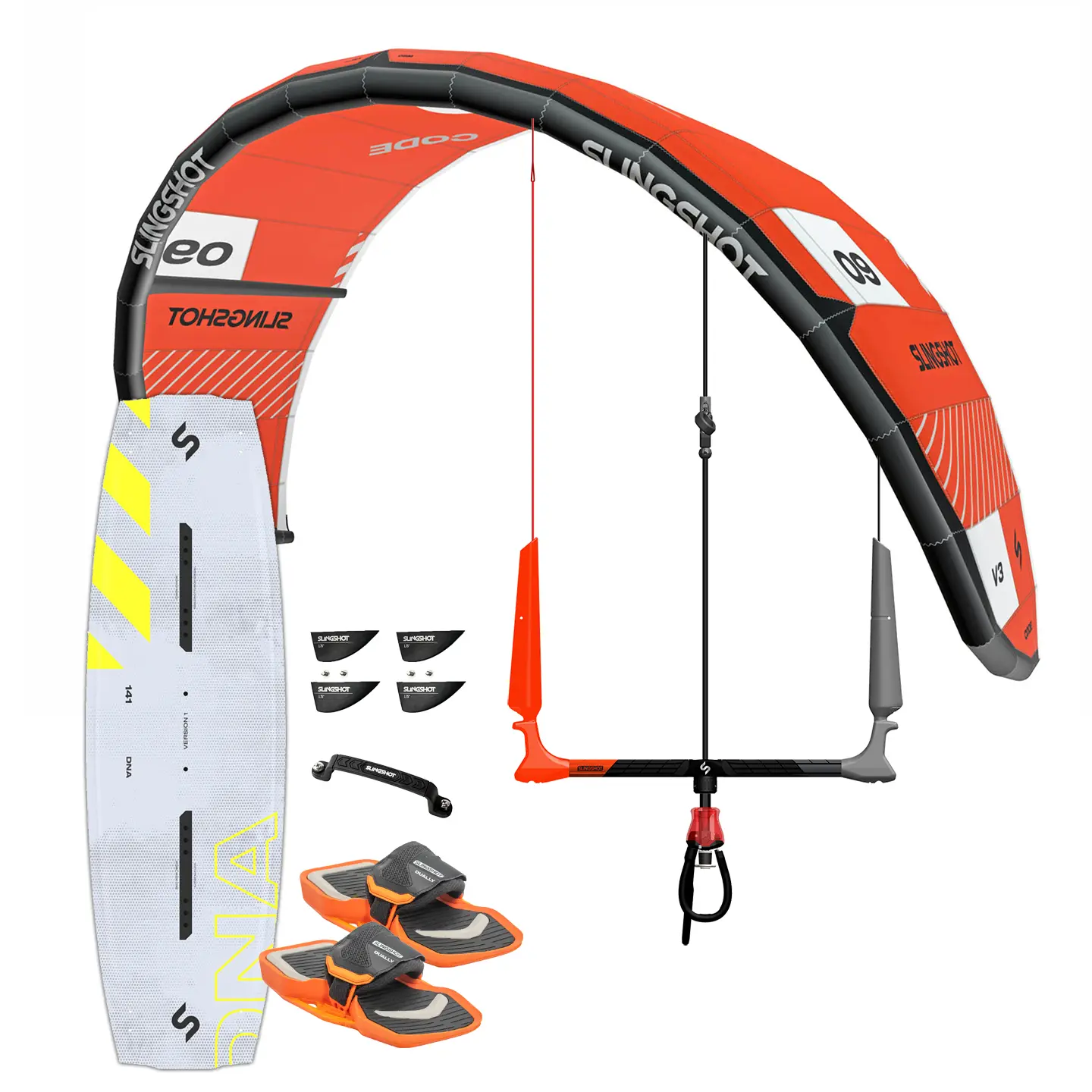
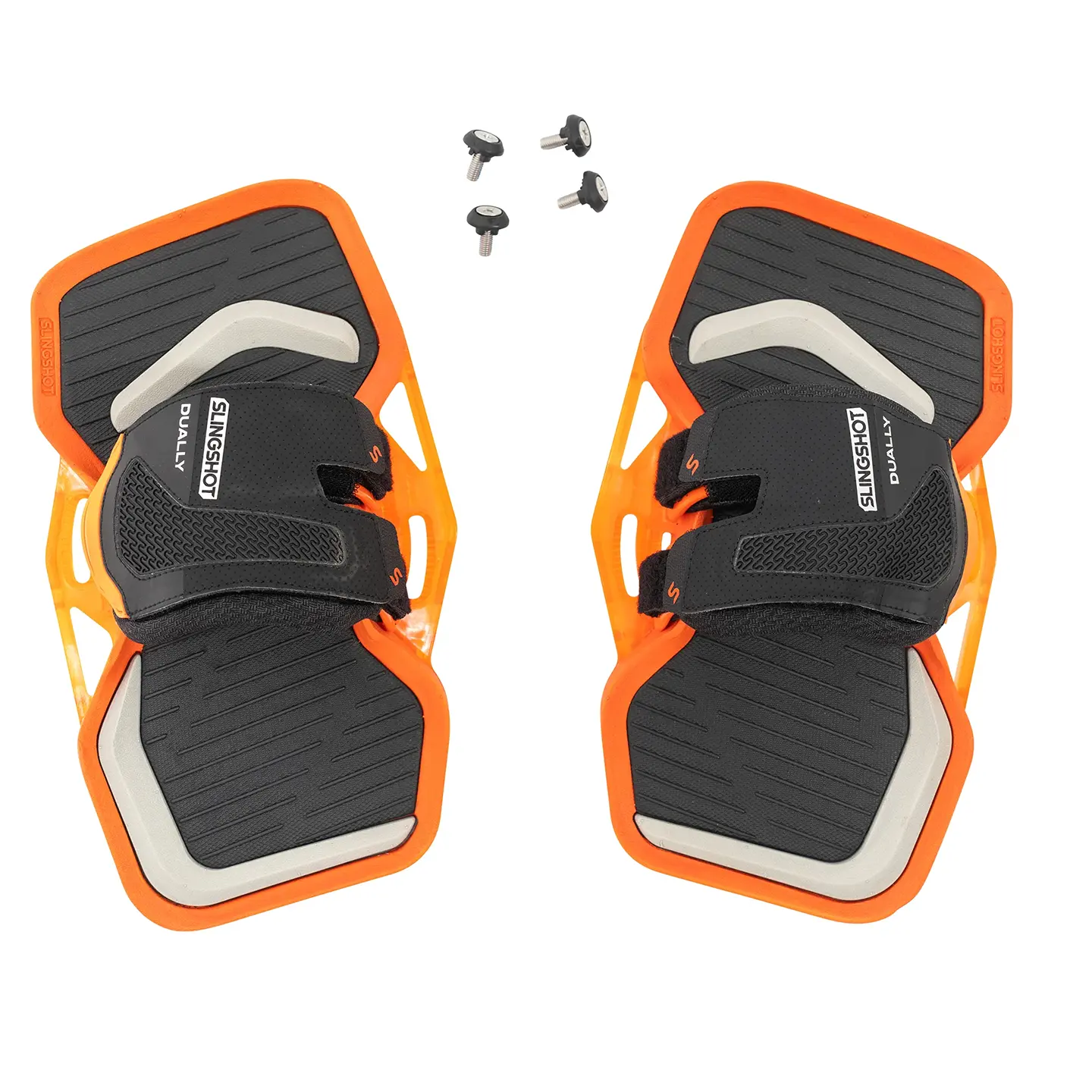
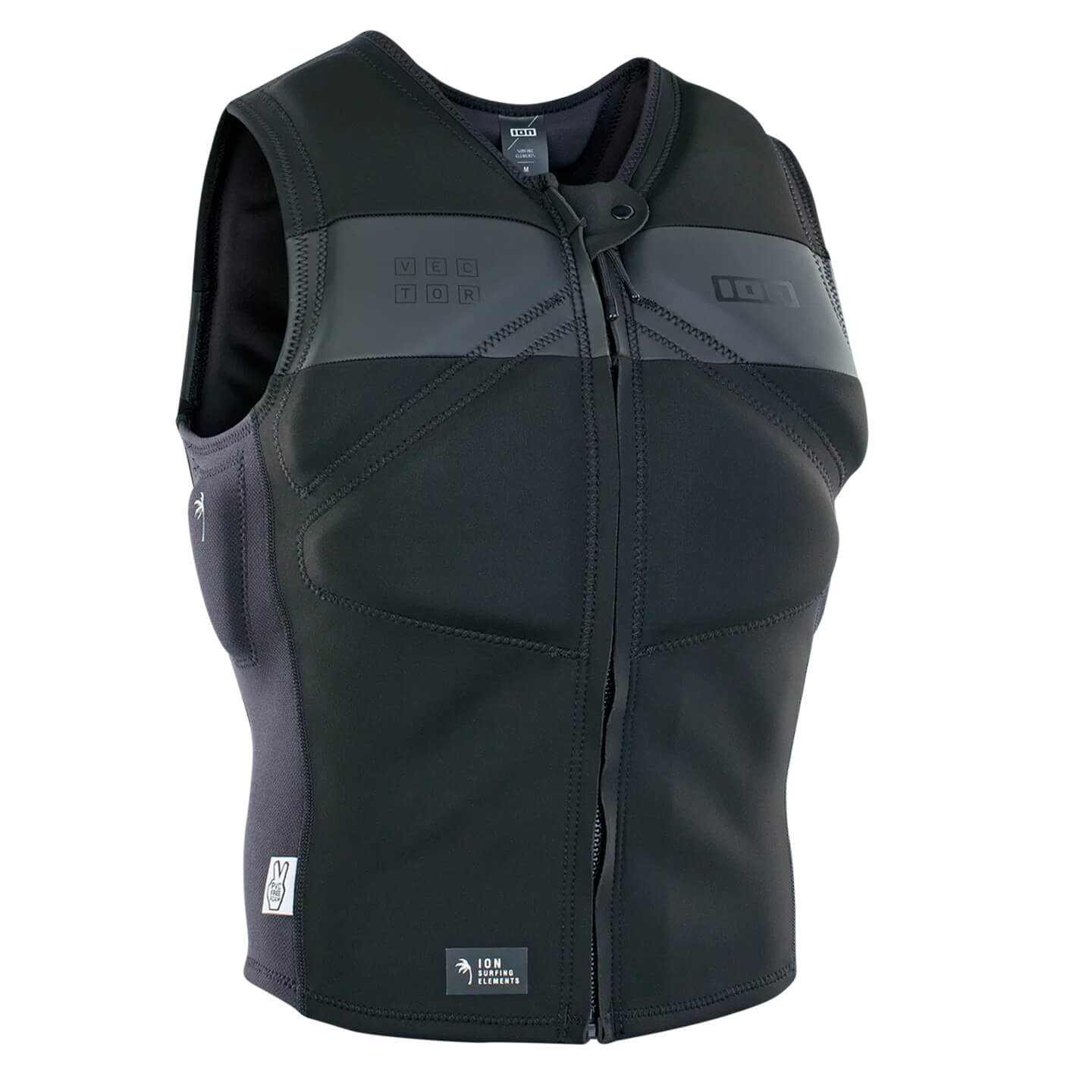
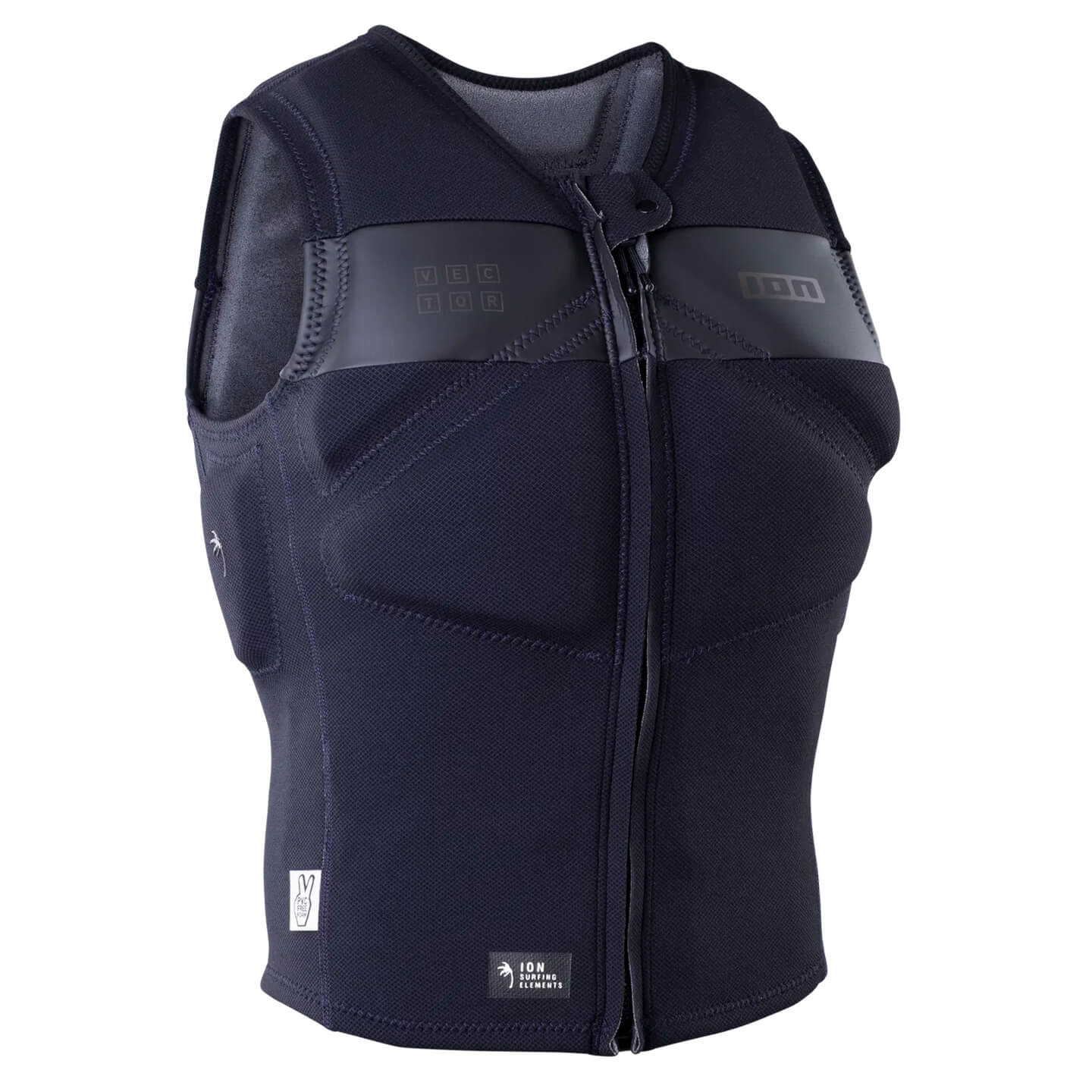
At King of Watersports, you’ll find the latest kites, boards, harnesses and safety gear from the biggest brands — all tested and trusted by riders worldwide.
4. Inspect Your Equipment Before Every Session
A quick equipment check can prevent serious problems later.
Look for wear on your lines, bridles and safety leash. Check your canopy for small tears or pinholes, and ensure your board screws and fins are tight.
Run your fingers along your lines when setting up — frays or knots are early warning signs of failure. A few minutes spent here can save you from a dangerous situation on the water.
5. Respect Other Beachgoers and Riders
Be mindful of others using the beach. Don’t rig in busy areas or leave your lines stretched out where people might trip.
In the water, give other kiters and windsurfers plenty of space — especially downwind. Most accidents happen close to shore, so stay alert and considerate at all times.
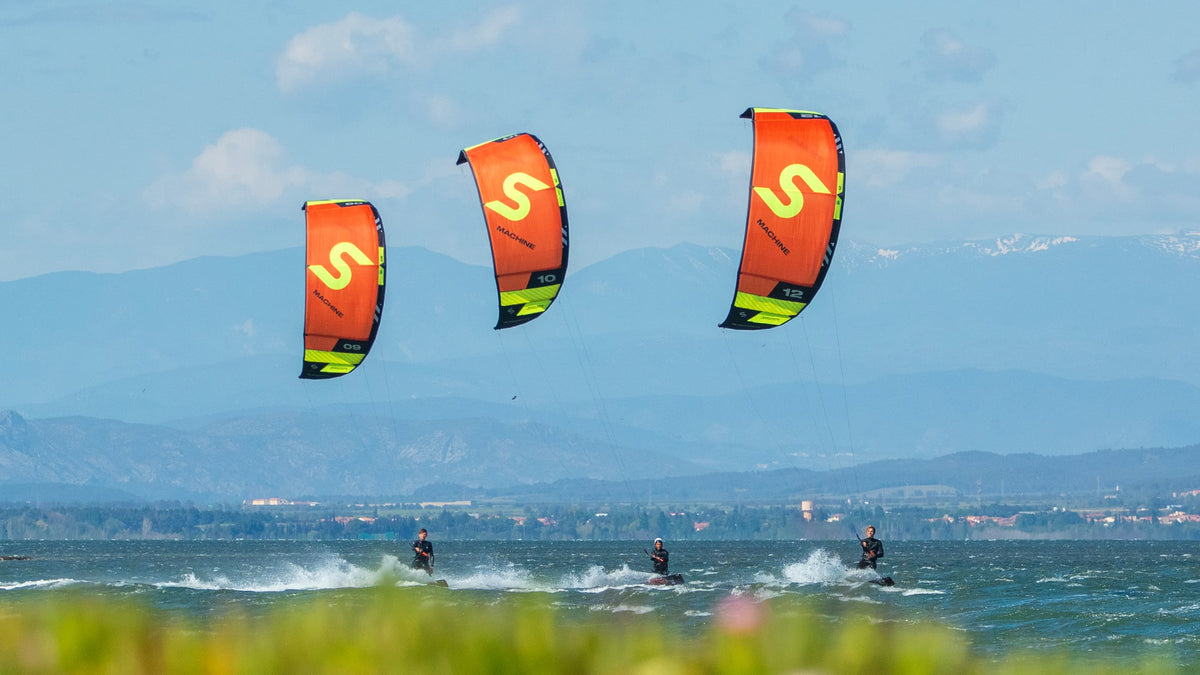
6. Pick the Right Location for Your Skill Level
Every spot rides differently. Wind strength, direction, tides and local hazards all matter. If you’re new to a beach, ask the locals or a school about safe zones and hazards before launching.
Avoid strong currents, rocks, piers or offshore winds until you have solid upwind and self-rescue skills.
7. Know the Rules and Right of Way
Good etiquette keeps everyone safe.
-
The rider entering the water has priority over the one launching.
-
The rider on starboard tack (right hand forward) has right of way.
-
Don’t jump or change direction without checking around you.
-
Stay at least two line lengths upwind from any fixed obstacles or people.
Being predictable and polite goes a long way in kitesurfing.
8. Know Your Limits and Progress Gradually
It’s tempting to copy the pros throwing double loops at Red Bull King of the Air, but they’re elite athletes who train in extreme conditions.
If you’re not sure whether it’s safe to go out — it probably isn’t. Build your confidence gradually and ride within your ability. The goal is consistency, not chaos.

9. Stay Fuelled, Hydrated and Take Breaks
Kitesurfing is physically demanding, especially in cold or gusty conditions.
Drink plenty of water, eat slow-release energy foods (like oats, bananas or nuts), and take short breaks between sessions. A 10-minute rest can reset your energy and focus — helping you ride longer and safer.
10. Respect and Protect the Environment
Our sport depends on clean beaches and healthy oceans.
Never leave litter behind, avoid damaging dunes or vegetation, and report pollution when you see it. Supporting eco-friendly kite brands and local clean-ups helps protect the places we ride.
The Bottom Line
Kitesurfing is pure freedom — powered by nature, driven by skill, and anchored in safety.
The more prepared you are, the more confident and relaxed you’ll feel on the water. Stay sharp, stay humble, and enjoy every session.