5 Apr 2025
Wakeboarding for Beginners: Essential Tips & Gear
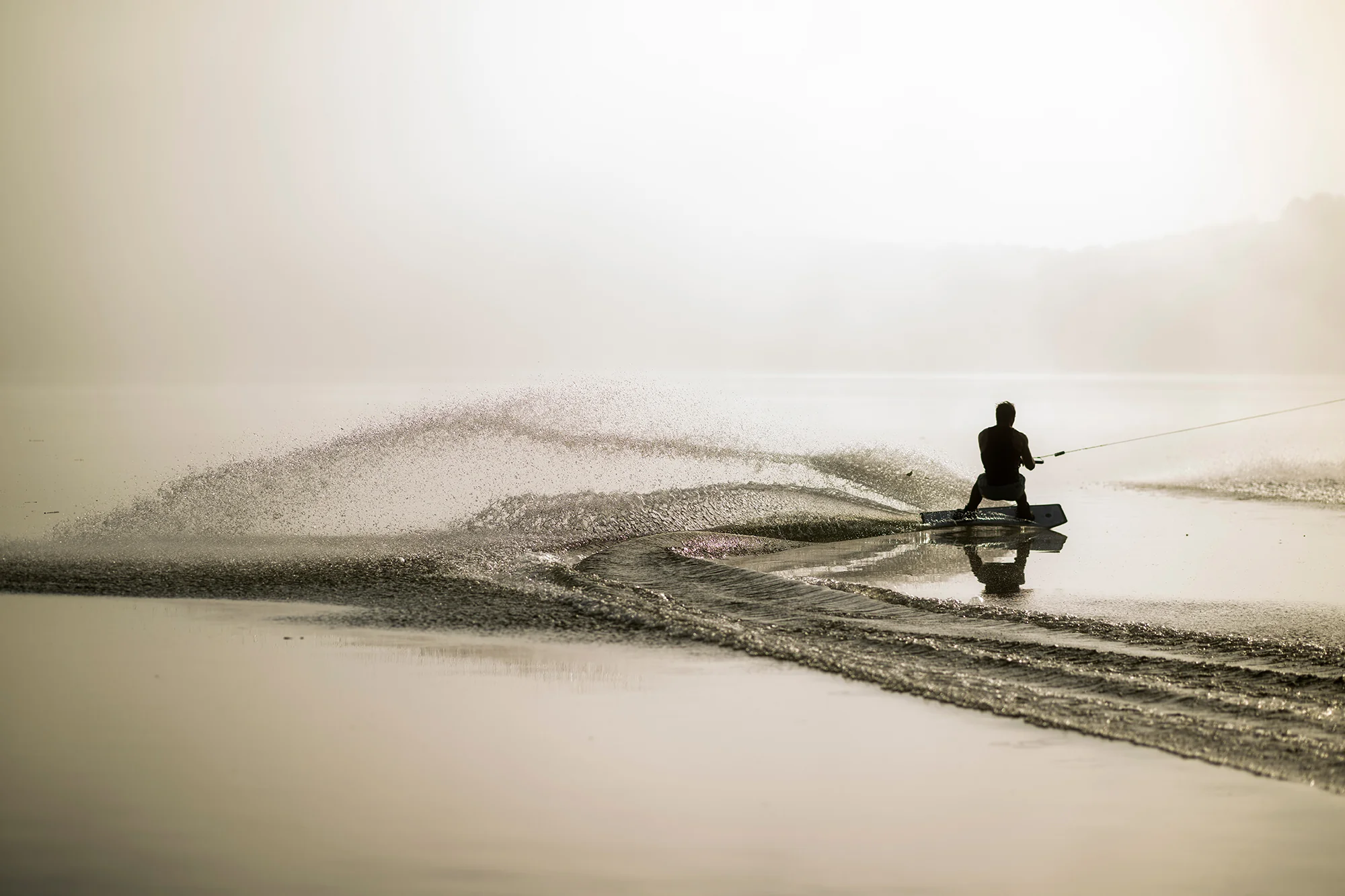
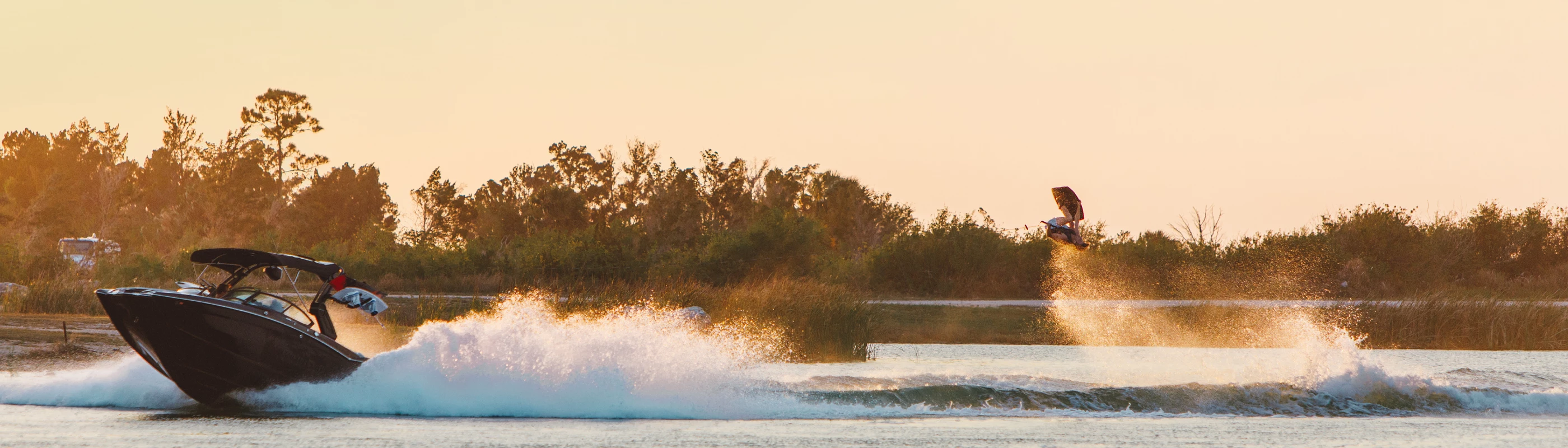
Boat vs Cable Wakeboarding
Boat wakeboarding is done while being towed behind a motorboat, usually at around 22 knots. The boat’s wake allows riders to jump and perform tricks. If you fall, the boat loops around to pick you up. Many lakes offer lessons with wakeboard boats, which are ideal for beginners and short practice sessions. You can also wakeboard on a friend’s boat if you have access to a board and rope.
-
Towed behind a motorboat, usually at around 22 knots.
-
The boat’s wake allows for jumps and tricks.
-
Beginners can take lessons on lakes with wakeboard boats.
-
You can also ride on a friend’s boat with a board and rope.
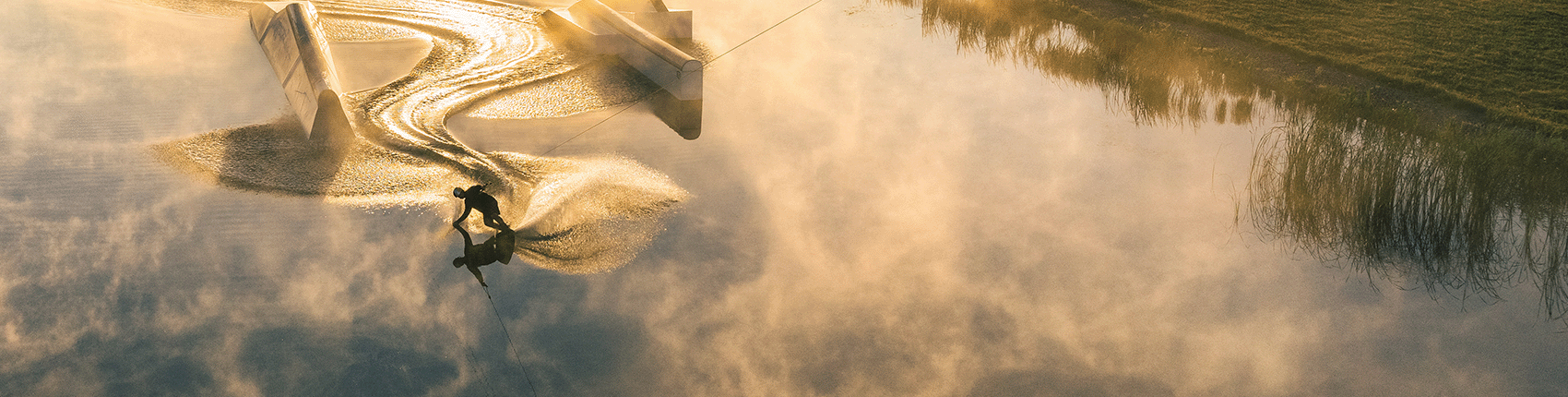
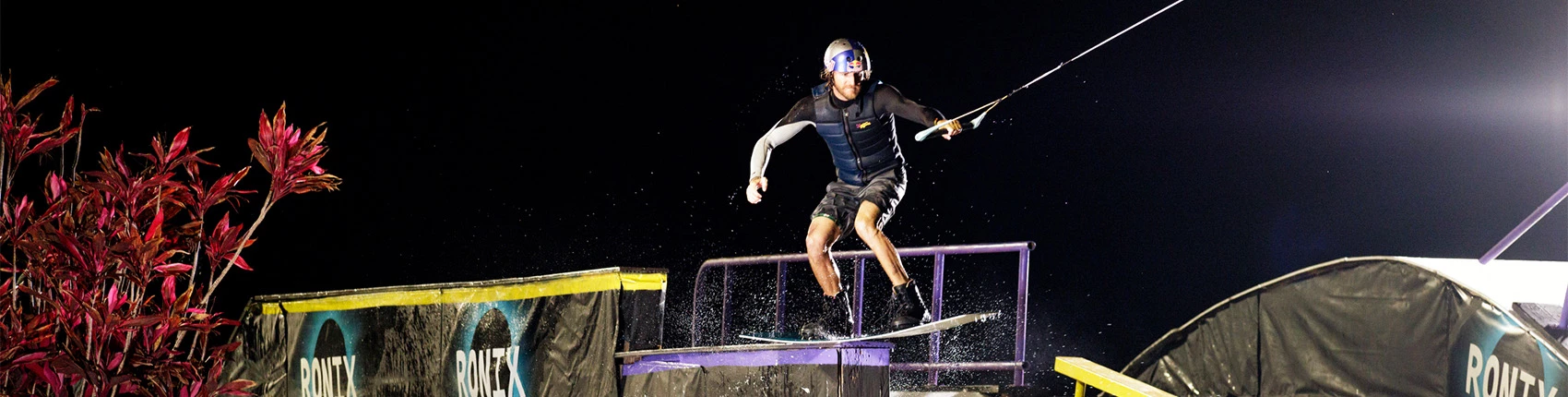
Cable wakeboarding uses an overhead cable system to pull multiple riders around a lake. Unlike boats, there’s no wake, but obstacles such as sliders and kickers help riders practice tricks. Cable parks are great for learning new skills, and riders take turns, starting again from the dock if they fall. Cable wakeboarding is an excellent way for surfers, snowboarders, and kitesurfers to develop board skills, even when conditions for their main sport aren’t ideal.
-
Uses an overhead cable system to pull multiple riders around a lake.
-
No wake is present; obstacles like sliders and kickers provide opportunities for tricks.
-
Riders take turns, starting again from the dock if they fall.
-
Excellent for practicing board skills applicable to surfing, snowboarding, and kitesurfing.
Do You Need Wakeboard Lessons?
Wakeboard lessons are highly recommended for beginners. In just a few tips, you can learn the basics of standing, balancing, and edging. Lessons can be on a boat or at a cable park, sometimes starting on a kneeboard to practice corners and turns. Once you understand the fundamentals, you’ll quickly progress to riding independently.
-
Quick introduction to standing, balancing, and edging.
-
Lessons can be on a boat or cable park.
-
Beginners may start on a kneeboard to practice corners and turns.
-
Instructors provide tips and guidance to accelerate progress.
Essential Wakeboarding Equipment
Most wakeboarding schools and cable parks provide all the gear needed for your first session, including a board, bindings, impact vest, helmet, and wetsuit. For your first lesson, a towel and appropriate clothing under your wetsuit is usually enough.
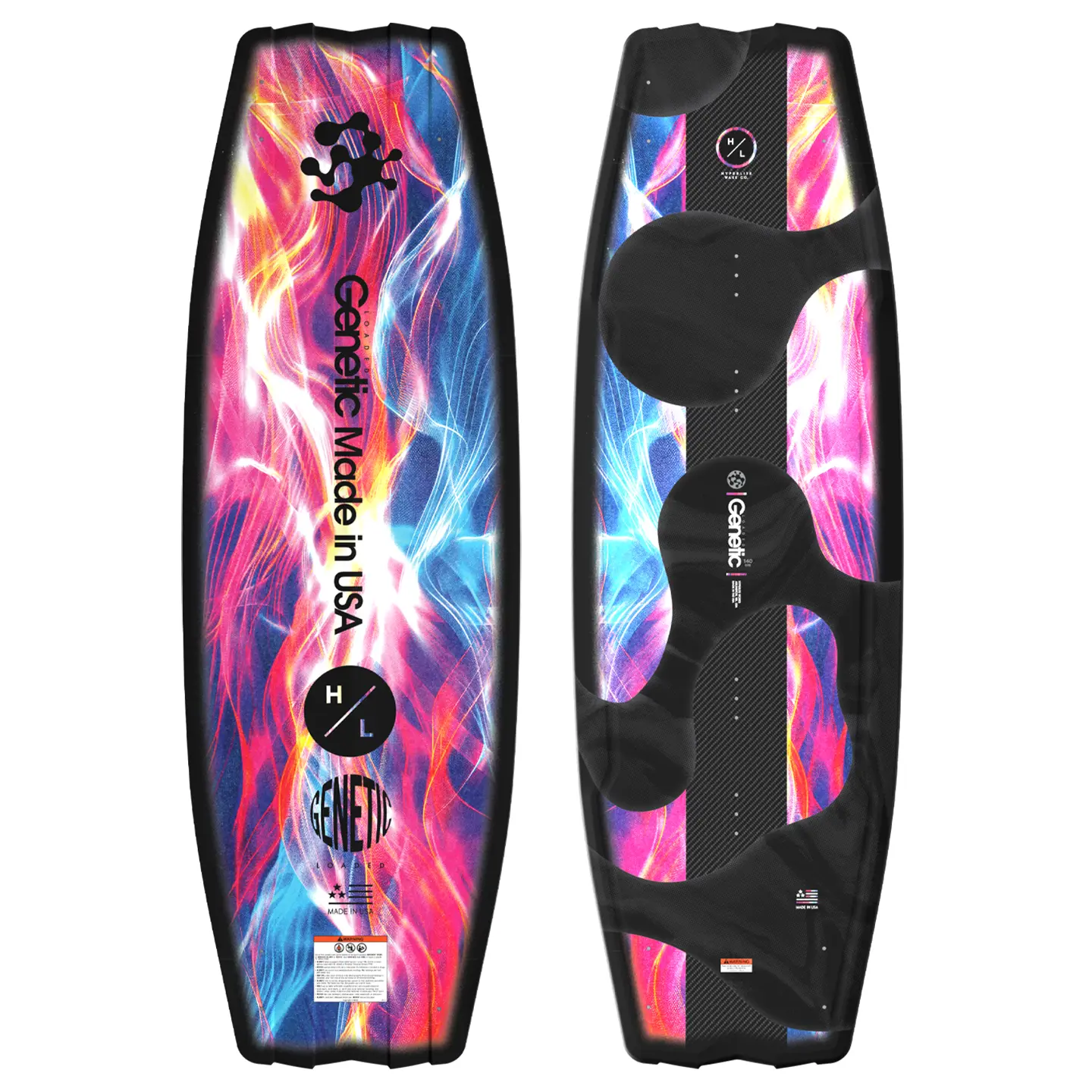
If you plan to wakeboard regularly, investing in your own wakeboard equipment is worthwhile. Rental boards are basic and can limit your progression, especially at cable parks where obstacles require a personal board to practice safely.
Must-Have Gear
-
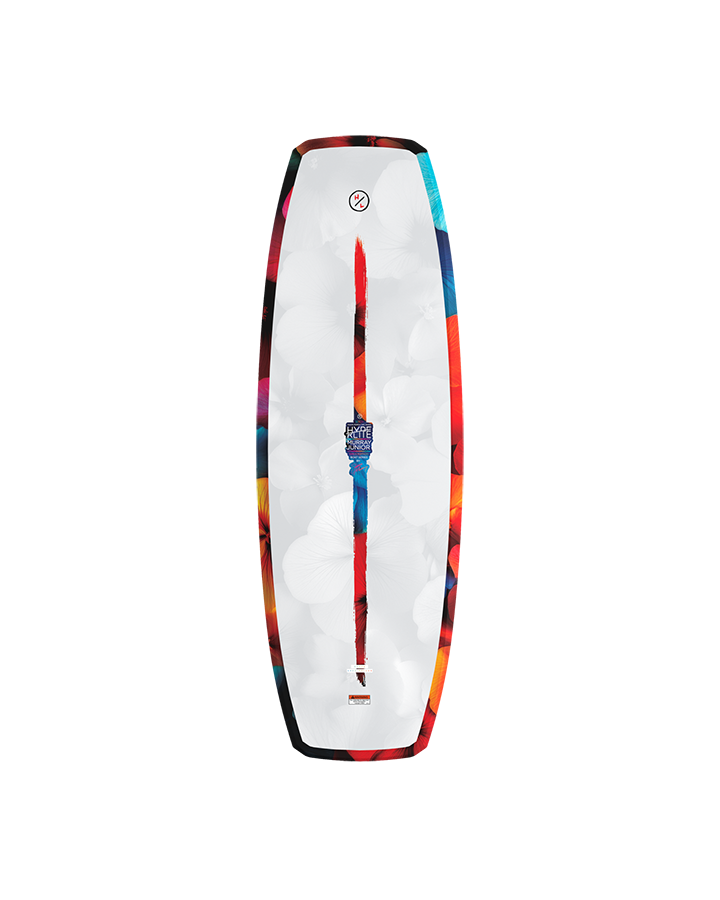
Wakeboard: Choose a board for boat riding or cable park use. Cable boards are more durable for obstacles.
-
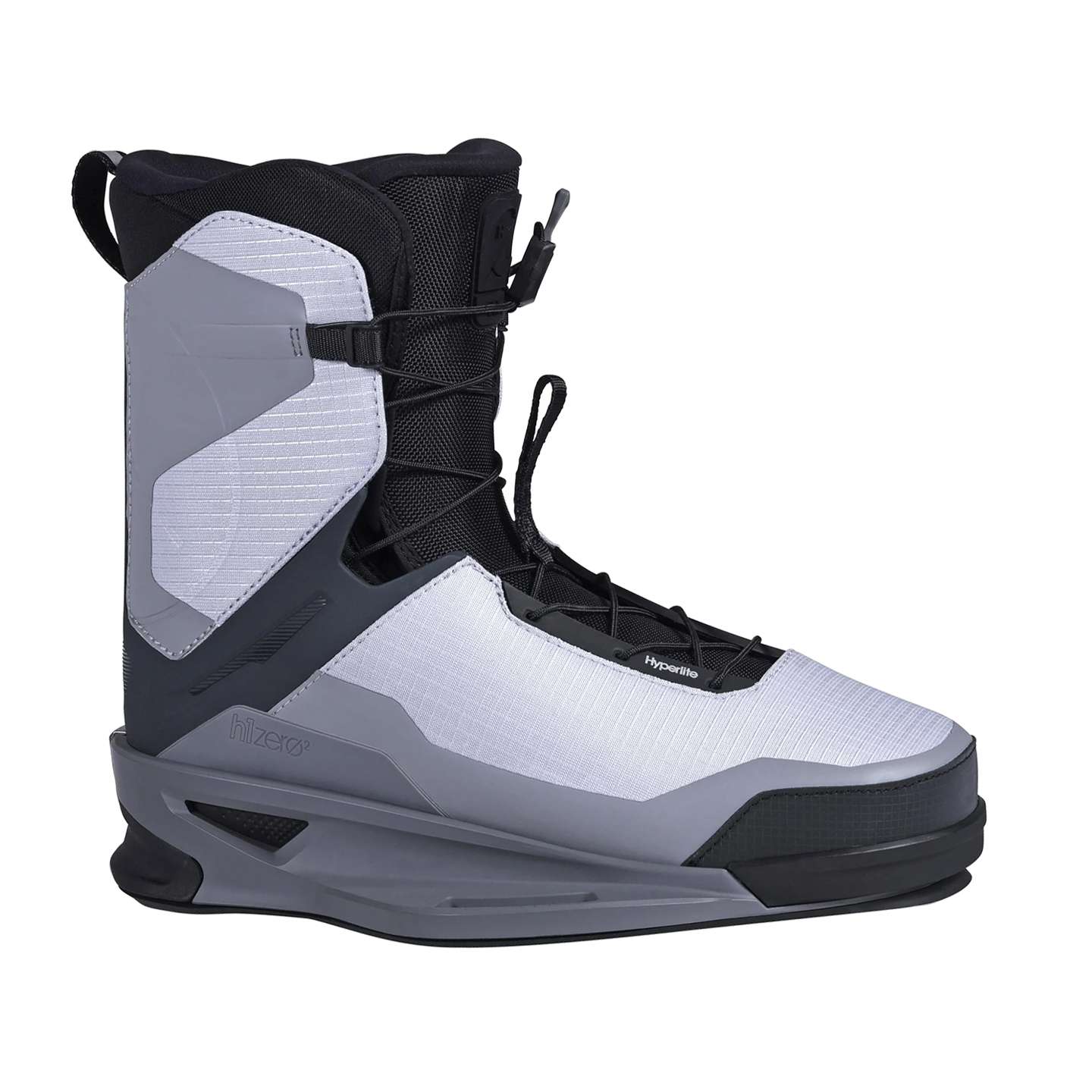
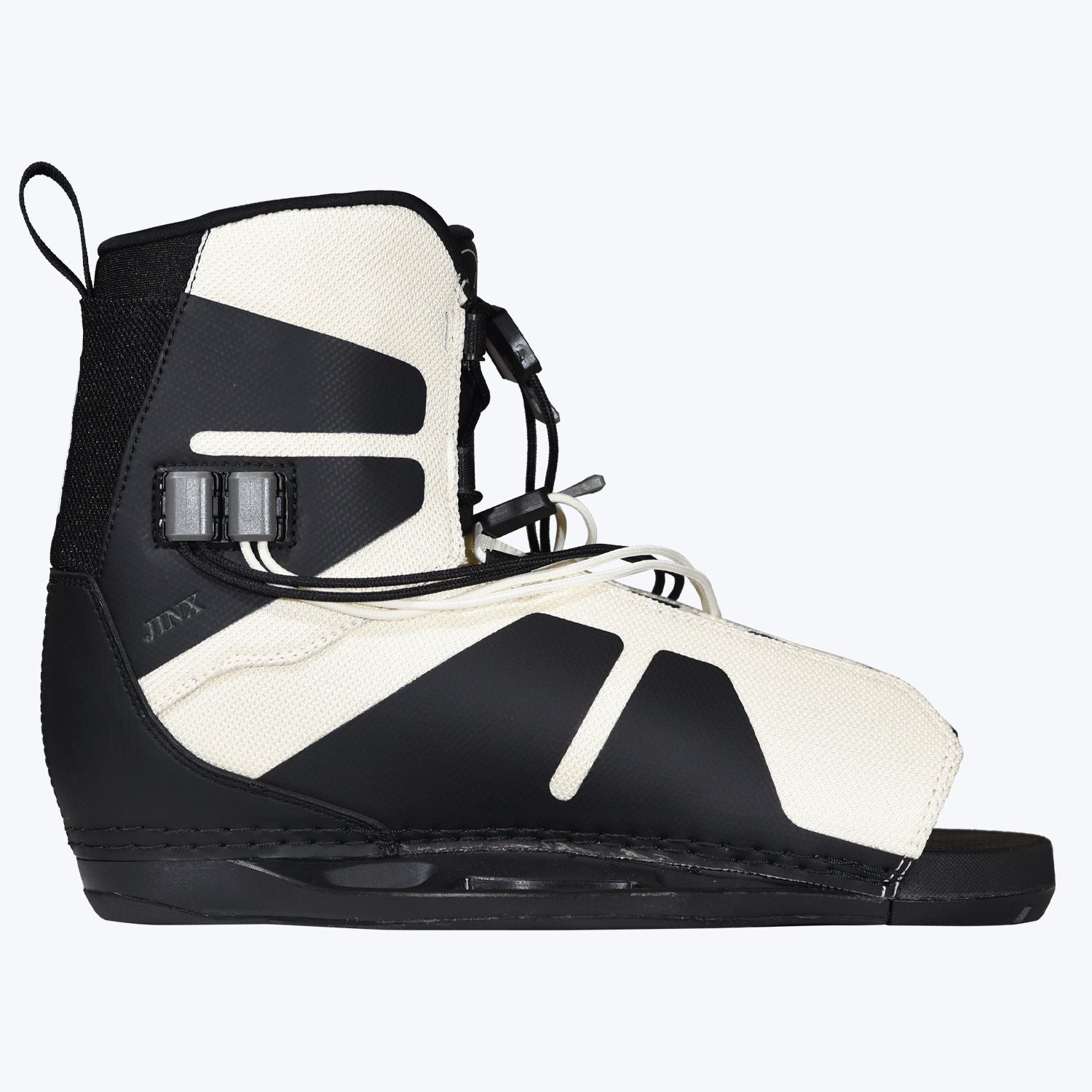
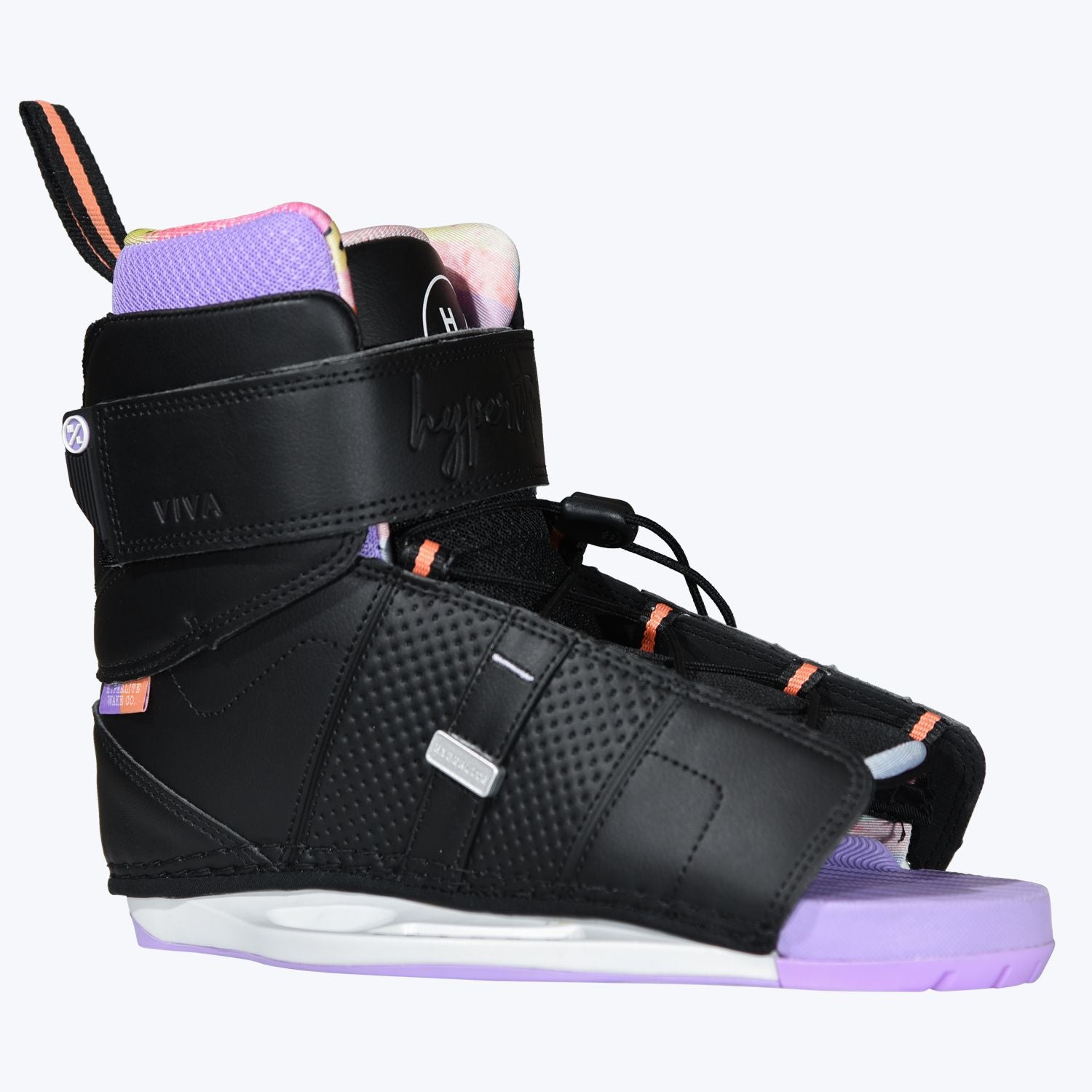
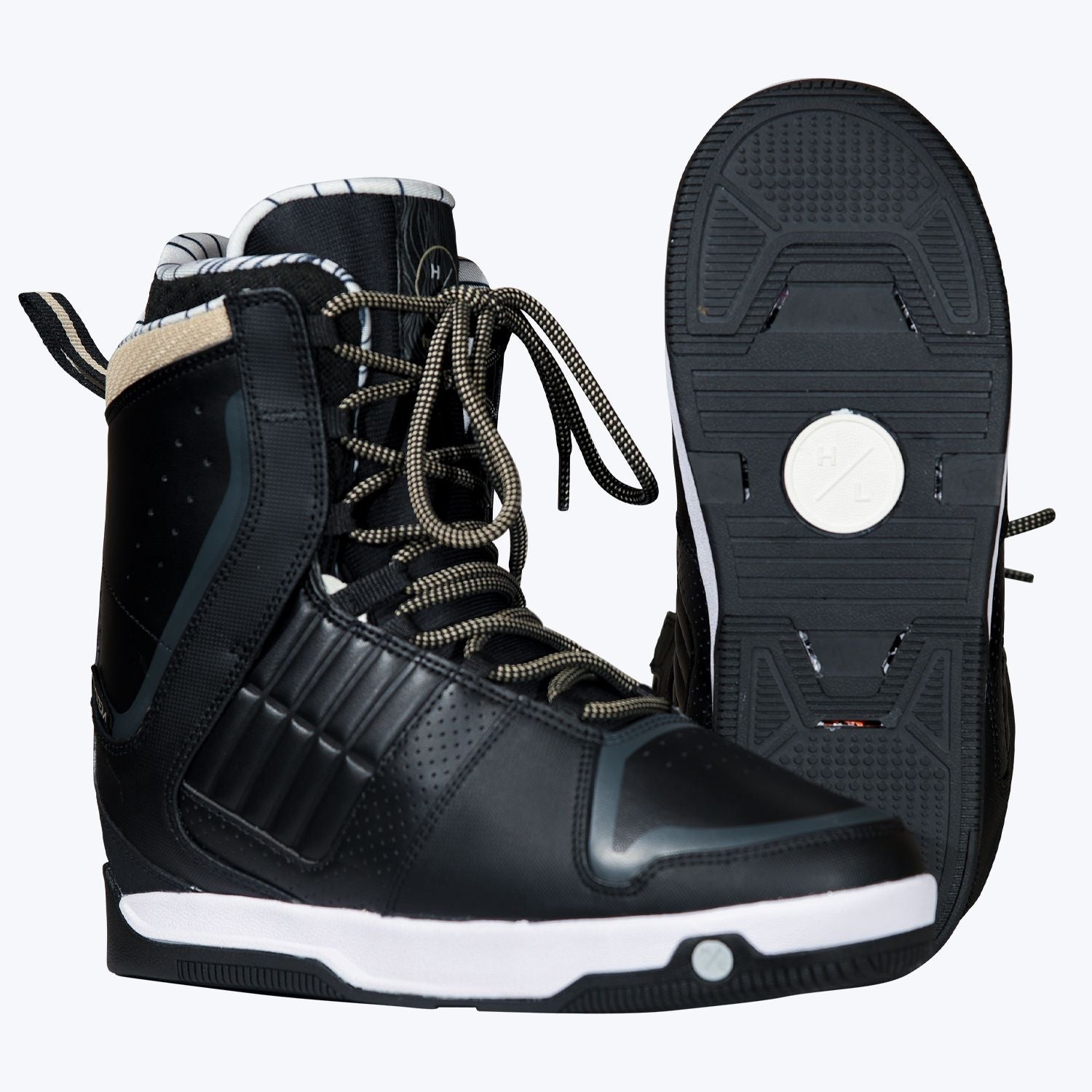
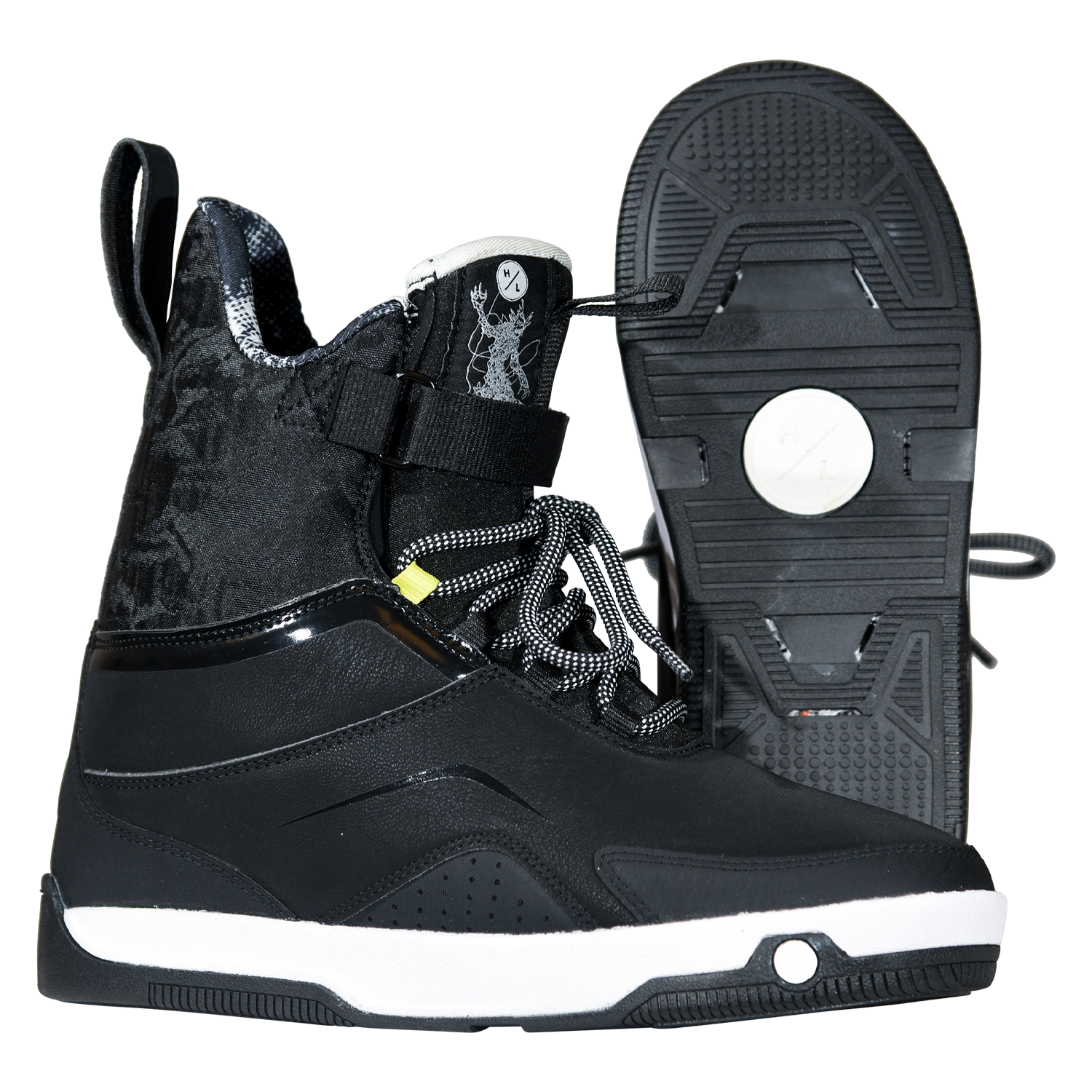
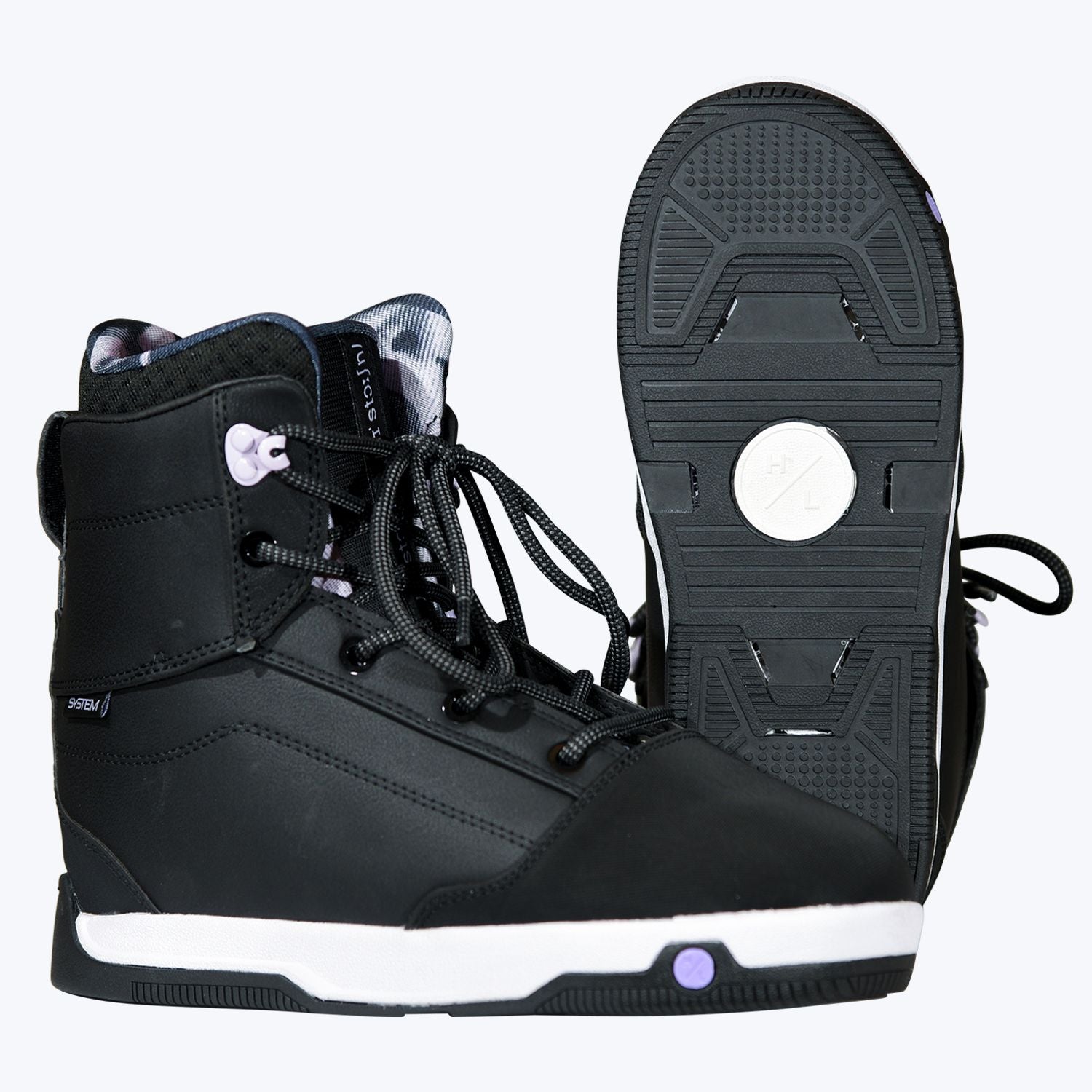
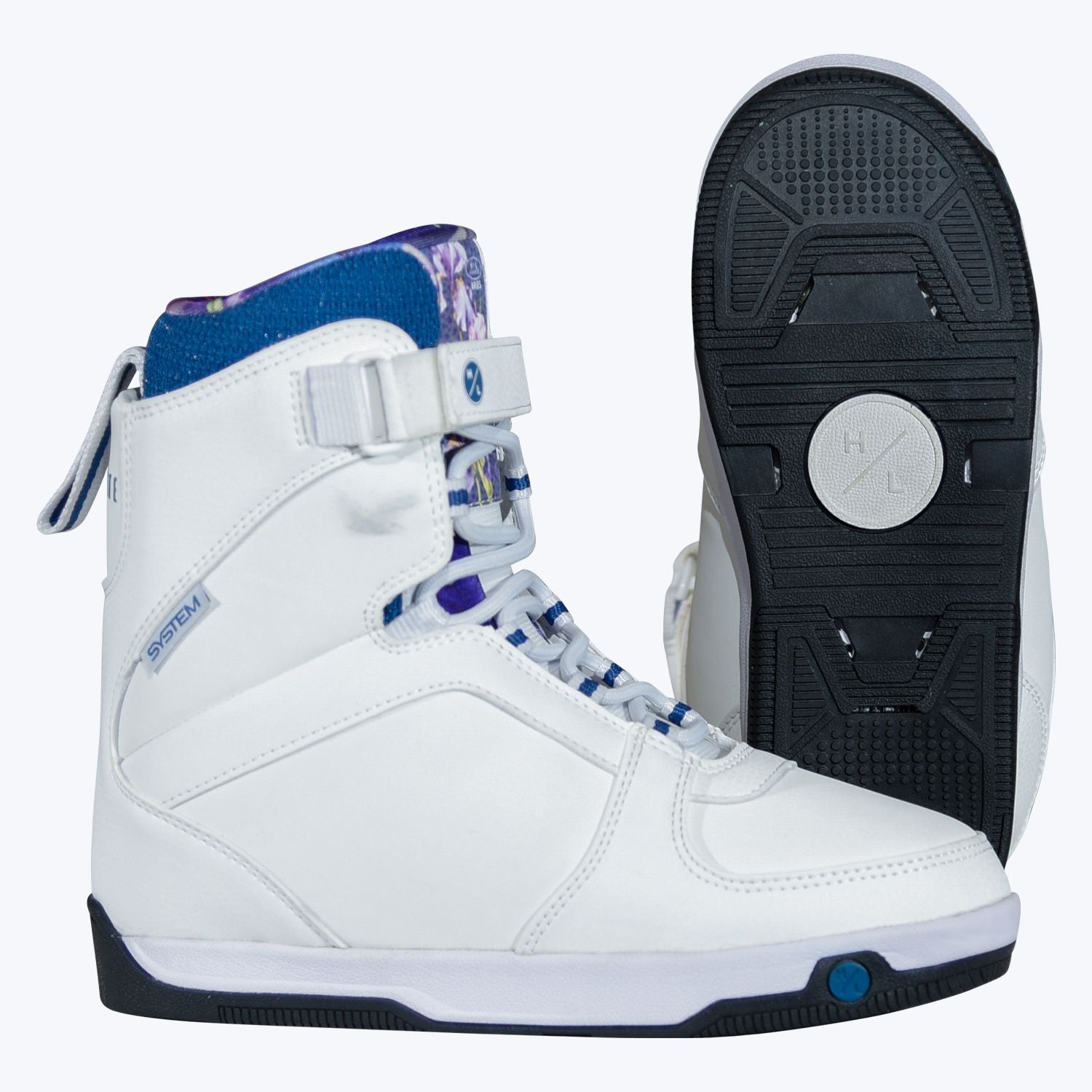
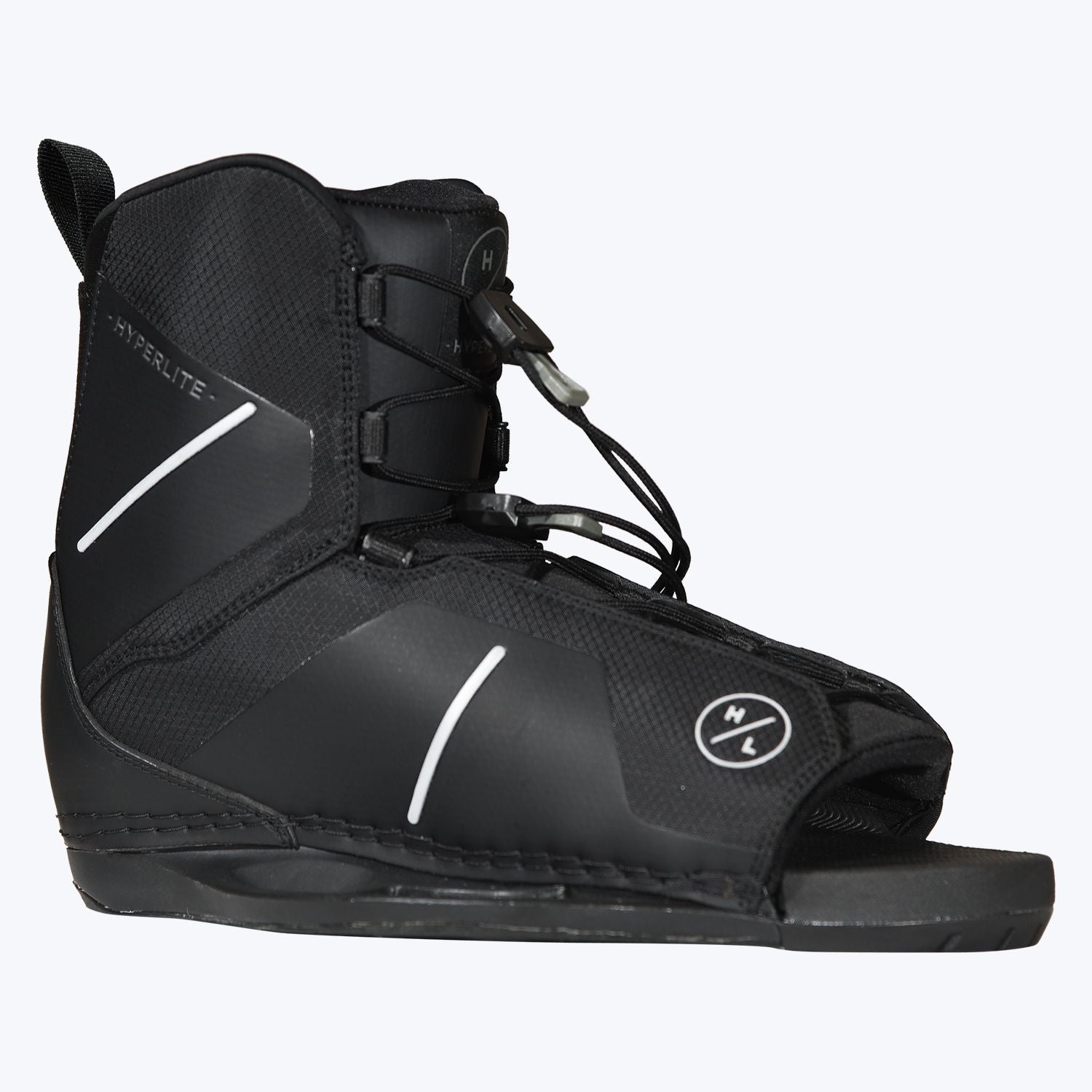
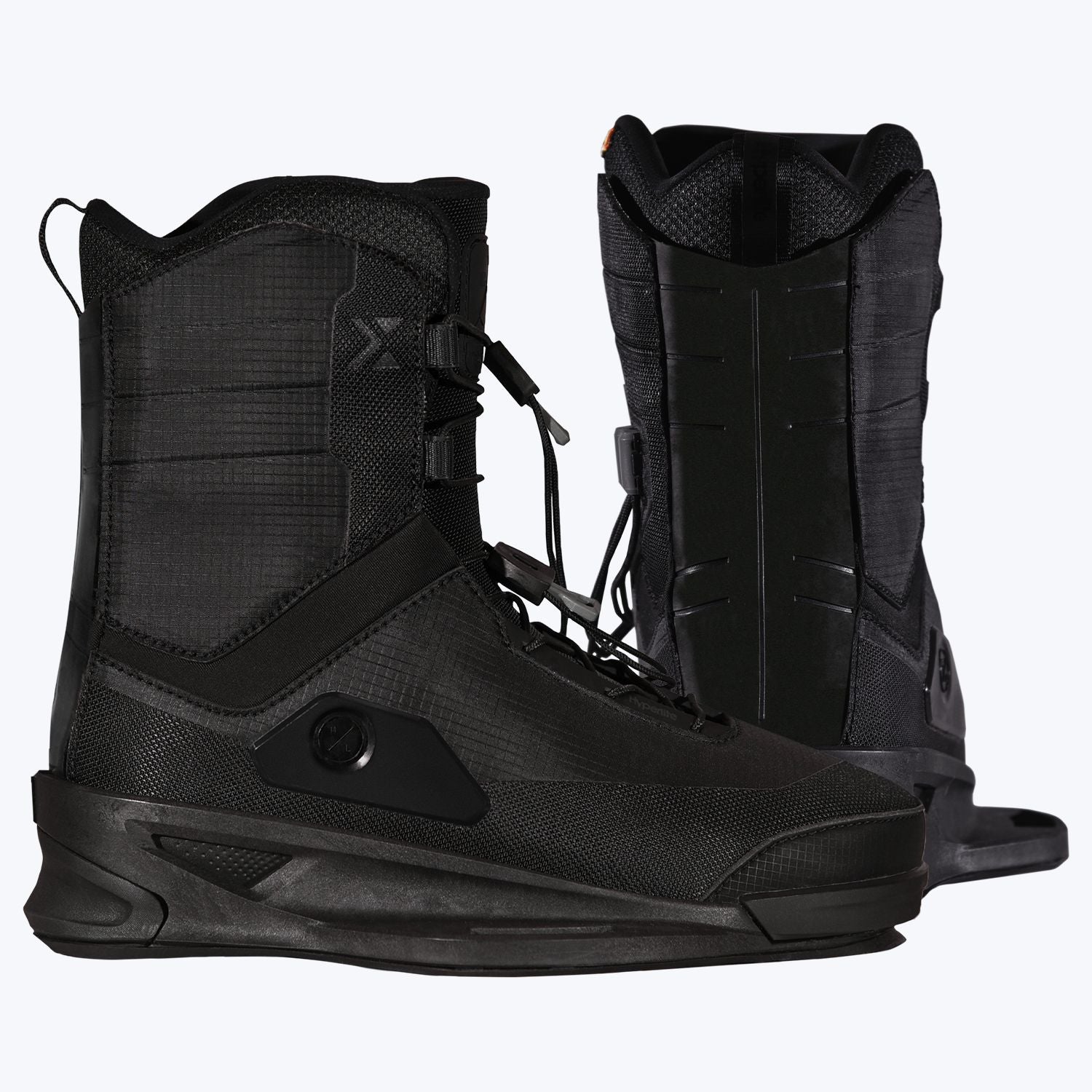
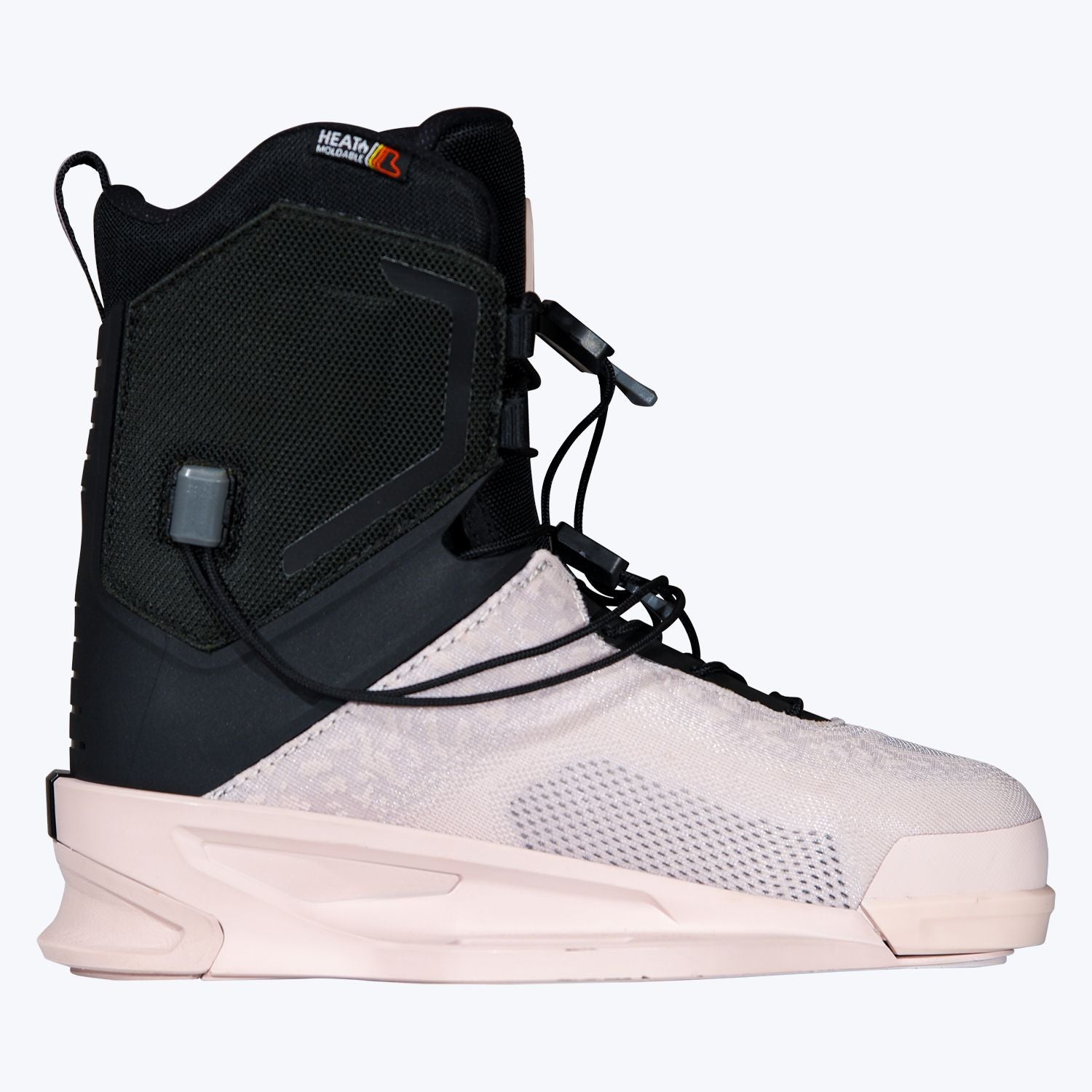
Bindings: Comfortable and secure bindings are essential. Close-toe bindings are highly recommended for serious riders.
-
Impact Vest: Protects against falls and adds warmth. Compulsory at cable parks.
-
Helmet: Recommended for all riders, especially at cable parks to prevent head injuries.
Optional Gear
-
Board Bags: Helpful for storing and transporting your gear. Wheeled bags are ideal for travel.
-
Poncho: Keeps you warm between rides, especially if waiting on a boat or at the park.
-
Tracking Devices: Gadgets like jump trackers can help monitor progress and performance.
Final Tips
Wakeboarding is a versatile watersport that improves balance, board control, and confidence. Whether you ride behind a boat or on a cable system, starting with proper lessons, the right equipment, and safety precautions ensures fun and progression. As you practice, you’ll gain the skills needed for tricks, jumps, and long sessions on the water.