Duotone Unit vs Unit SLS vs D/LAB 2027: Which Wing Should You Buy?
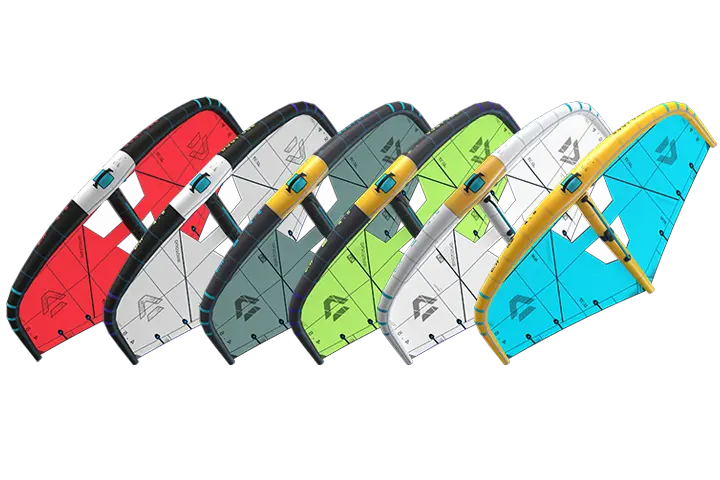
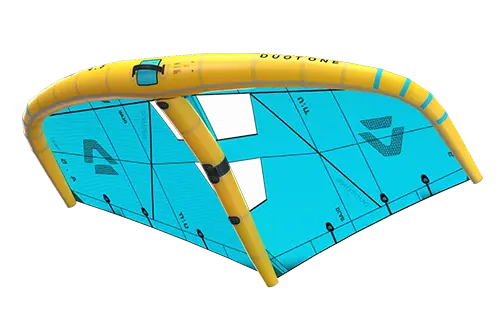
Duotone’s Unit is the backbone of its 2027 wing foiling range — a genuine all-rounder built for freeride, freestyle and wave riding. What confuses a lot of buyers isn’t the shape, though; it’s the fact that the same Unit is sold in three different constructions: the standard Unit, the Unit SLS (also available as SLS Concept Blue), and the flagship Unit D/LAB.They all ride the same outline and cover the same disciplines. What changes is the material, the weight, the stiffness — and, as a result, the price and the type of rider each one rewards. Here’s exactly how they differ, and how to pick the right one.
Quick answer: what’s the actual difference?
Duotone Unit
Duotone Unit SLS
Duotone Unit D/LAB
Construction
Dacron-based, more flex
Aluula Gold L1 panel + PentaTX
Full 82g/m² Aluula Gold frame
Feel
Forgiving, absorbs gusts
Crisper, lighter, more direct
Lightest, stiffest, most immediate
Best for
First serious wing, all-round riders
Regular riders wanting a step up
Experienced, performance-focused riders
Price position
Entry point of the range
Mid-tier / performance-value
Premium flagship
Sizes
2.0–6.5 m²
2.0–6.5 m²
2.0–6.5 m²
Handles/boom included?
No — sold separately
No — sold separately
No — sold separately
What’s Changed in overall Design for 2027?
For 2027 all three wings receive upgrades in over all design to improve control, feel and manoeuvrability.
Shorter strut for enhanced manoeuvrability, lighter more direct feel in the hands and a reduced swing weight. It also gives a smoother power delivery through the wind range.
Refined canopy profile (less depth in the centre, more at the quarter-span) gives a more efficient power delivery and cleaner flagging in waves, essentially making it more aerodynamic and stable.
New window layout improves visibility without adding weight.
Thinner Leading Edge in the D/Lab model. This decreases drag and increases speed making the wing more slippery through the air perfect for riders who like speed and fast transitions.
Duotone Unit 2027: the all-round choice
The standard Unit uses a more traditional Dacron-based build. That means more flex under load — which sounds like a downside on paper, but in practice it’s what makes this the easiest wing in the range to live with. The extra give absorbs gusts rather than transmitting every one straight into your arms, which matters a lot in typical varied conditions where wind rarely stays perfectly smooth.
This is the version to buy if:
It’s your first “proper” wing and you’re still progressing through transitions, gybes and jumps
You want a wing that wont hold you back as you progress
You’re not yet at the point where you can feel the difference a stiffer frame makes
You’d rather put the budget saving into a better board or foil
Duotone Unit SLS 2027 (and SLS Concept Blue): the performance sweet spot
SLS stands for Strong, Light, Superior. Duotone builds it around an Aluula Gold in the middle of the leading edge where the strut connects and then combines with PentaTX material through the rest of the leadin edge and strut — deliberately positioned in performance between the standard Unit and the D/LAB.
For 2027, the SLS gets more balanced power across wind angles, a more direct on/off feel, and improved drift stability and steering when riding waves. It’s genuinely noticeable rather than a marketing bullet point: a stiffer frame responds faster to pumping and steering input, and the weight saving shows up when you’re holding the wing overhead or flagging it out in the surf.
The Unit SLS Concept Blue is worth a separate mention: it’s not a different riding discipline, it’s the same SLS performance level built using Duotone’s Concept Blue sustainable-material approach (visible undyed panels, different production process). Choose between the two for colour and your preference for the Concept Blue construction — not because one performs differently to the other.
This is the version to buy if:
You already foil consistently and are comfortable with transitions
You ride often enough that lower weight matters over a season
You want more feedback in your riding from a stiffer wing
You want a meaningful upgrade from Dacron without paying full D/LAB money
You mix freeride with waves, jumping or more powered sessions
Duotone Unit D/LAB 2027: maximum performance
The D/LAB sits at the top of the range and uses a full 82 g/m² Aluula Gold frame — the lightest, stiffest build Duotone makes.
The result is a wing with minimal swing weight and an extremely direct response — you feel input changes almost instantly, which experienced riders can use to their advantage during active pumping, precise steering and technical manoeuvres. The flip side is that it transmits everything more directly than the other two builds so can be a handful for those with less experience.
This is the version to buy if:
You’re an experienced or highly committed rider
You can genuinely feel the difference frame stiffness and swing weight make
You like speed, jumping, riding waves and chase performance
You’re building a performance quiver and budget isn’t the limiting factor
It’s rarely the right first wing. A new rider tends to get more out of correct sizing, a stable board and water time than out of shaving grams off the wing.
Does wing size change which construction matters most?
Yes — the case for SLS or D/LAB gets stronger as the wing gets bigger. Larger wings have more material and span, and spend more time moving above and around you while pumping, so a lighter, stiffer build has more to prove itself against. If you can only justify one premium wing in your bag, it’s usually worth putting it toward your most-used size rather than your smallest high-wind wing. In windier conditions with small wings you can benefit from a softer wing for more control and forgiveness as the wind is more unstable.
Fusion Handles or Fusion Boom?
None of the three Unit constructions come with handles or a boom included — Duotone’s modular Fusion system means you choose and buy these separately.
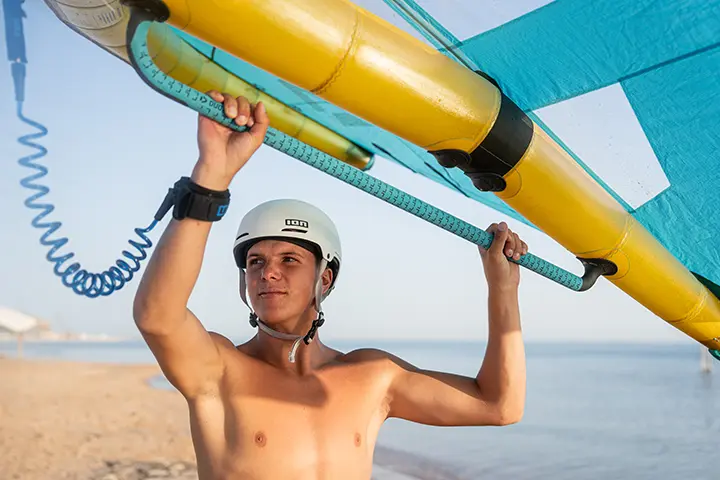
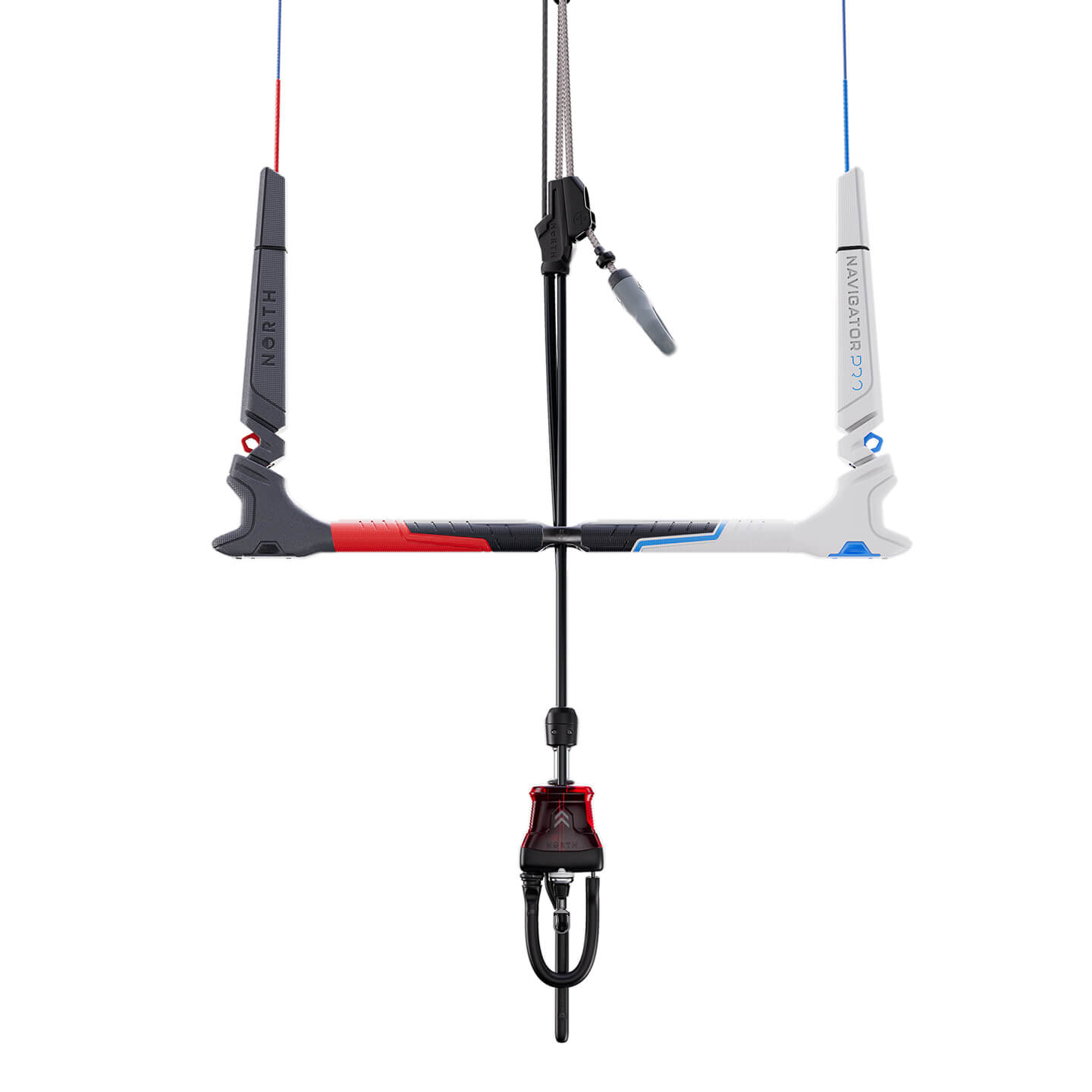
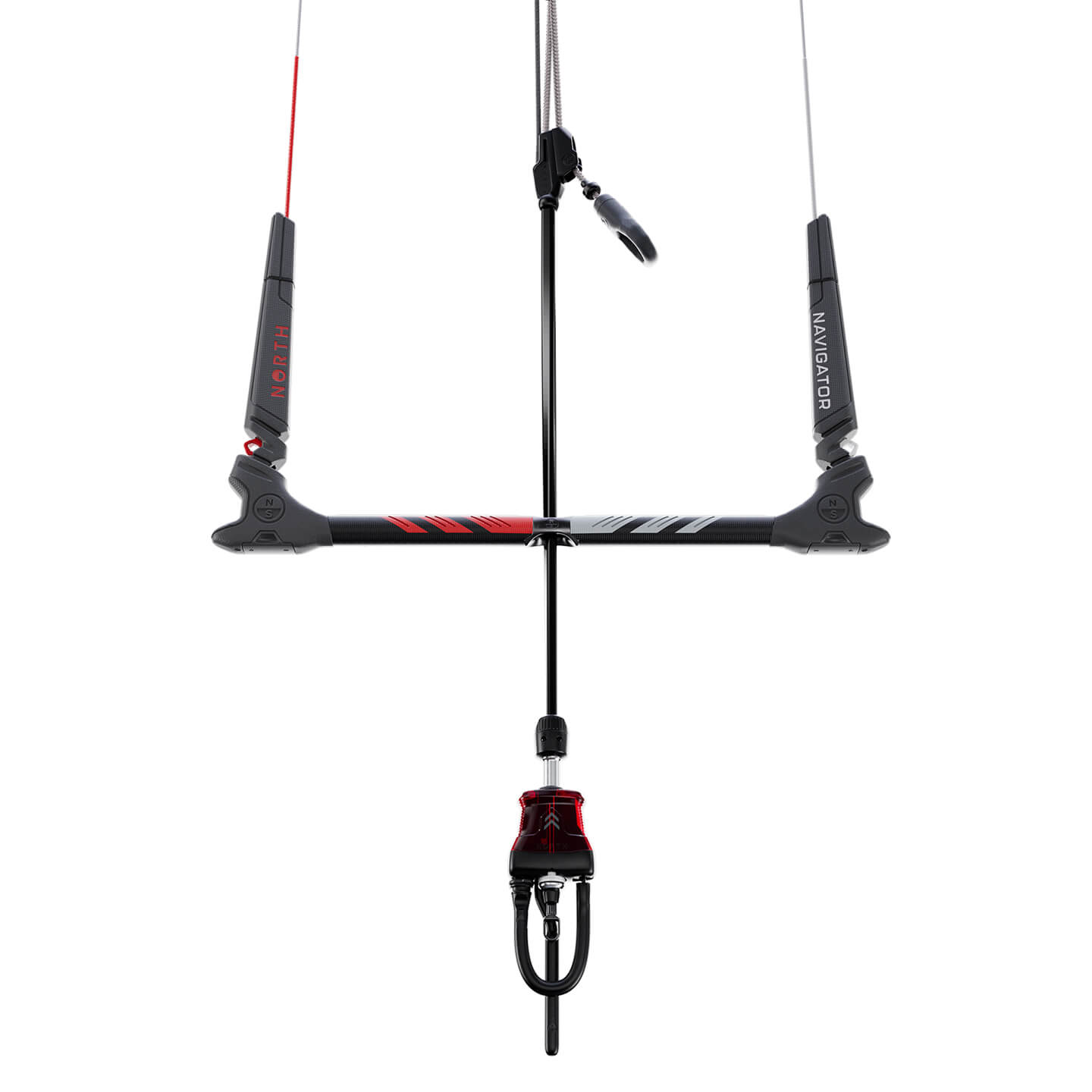
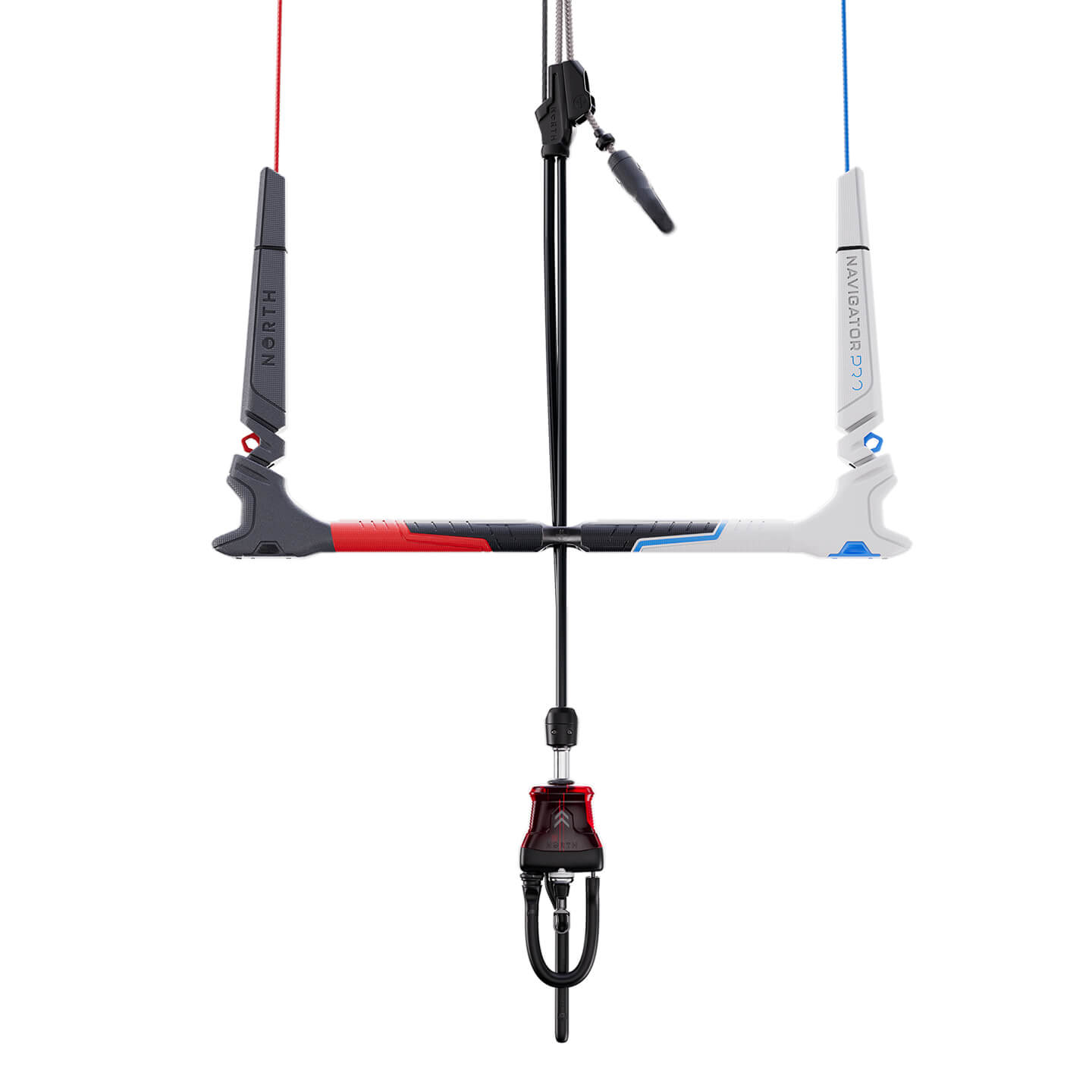
Fusion Handles — two carbon handles, good for travel, compact packing and riders who like defined hand positions.
Fusion Boom — a continuous carbon grip, better if you like to slide your hands and reposition freely through transitions.
Neither is an “upgrade” over the other — it’s a genuine preference call, and the same handles/boom work across Unit, Unit SLS and D/LAB.
Duotone Unit 2027 vs SLS vs D/LAB: the bottom line:
They share the same 2027 outline and riding purpose (freeride, freestyle, wave), but use different materials. The standard Unit uses a more flexible Dacron-based build, the Unit SLS uses an Aluula Gold L1/PentaTX combination for a lighter, stiffer feel, and the D/LAB uses a full Aluula Gold frame for the lightest, stiffest, most direct wing in the range.
For riders who already foil consistently and ride often, most people find it worthwhile — the lower weight and stiffer frame are noticeable during pumping, transitions and flagging. For someone still learning the basics, the standard Unit (and spending the price difference on lessons, board or foil) is often the better use of budget. This tends to be the best selling wing of the three for intermediate riders wanting to progress.
Experienced, committed riders who can feel the difference frame stiffness and swing weight make. Active riders who pump effectively, jump high or like speed. It’s a premium performance wing rather than a beginner upgrade.
It can be used by a beginner, but it’s rarely the most efficient use of a first-wing budget. Correct sizing, a stable board and time on the water tend to matter more at that stage than construction weight savings.
Aluula Gold is a high strength-to-weight composite material Duotone uses in its SLS and D/LAB constructions. It replaces or supplements the Dacron used in the standard build, reducing weight and increasing stiffness — the D/LAB uses a full Aluula Gold frame, while the SLS uses an Aluula Gold L1 panel combined with PentaTX.
No. All Unit constructions use Duotone’s Fusion system, and Fusion Handles or a Fusion Boom must be bought separately, along with a compatible pump if you don’t already own one.
The Unit family spans roughly 2.0 m² up to 6.5 m², covering strong-wind riders through to light-wind and heavier riders, though exact size runs can vary slightly by construction — check the specific product listing for the sizes stocked.
Nothing in terms of riding performance — they sit at the same SLS performance level. Concept Blue is Duotone’s sustainable-material and production approach, recognisable by its undyed panels. Choose based on colour and preference of manufacturing process rather than expecting different handling.
Handles suit riders who want defined grip positions and easier travel packing. The boom suits riders who like to slide their hands and reposition through transitions. It’s a preference, not a performance upgrade either way.